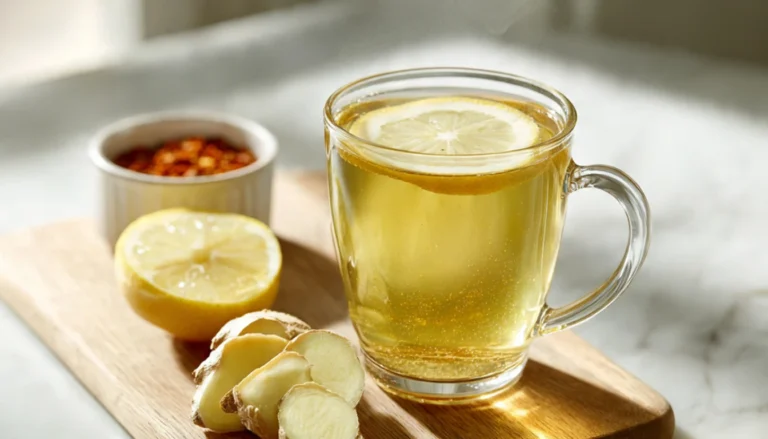

Gelatin Recipe for Weight Loss
I stumbled onto gelatin as a weight loss tool completely by accident. My grandmother used to make these little cups of fruit-studded Jello when I was a kid, and I always thought of it as just a fun dessert. Turns out, she was onto something.
Gelatin is basically pure protein. And not the kind that makes you feel like you’re choking down a chalky protein shake at 6 AM. It’s the kind that dissolves into things, sets into satisfying textures, and actually helps you feel full without piling on calories.
Here’s the thing about gelatin that most people miss: it’s almost entirely protein with zero carbs and zero fat. A tablespoon of unflavored gelatin powder has about 6 grams of protein and only 23 calories. That’s a pretty solid trade-off if you ask me.
This article is part of our comprehensive guide on Low-Calorie Weight Loss Recipes. For more ideas and our complete collection, check out the full guide.

Why Gelatin Works for Weight Loss
I’m not going to pretend gelatin is some magic bullet. It’s not. But it does a few things really well.
First, protein keeps you full. We all know this. But gelatin is a sneaky way to add protein to things without changing the flavor much. I’ve stirred it into my morning coffee (more on that in a second), mixed it into smoothies, and used it to make desserts that actually satisfy my sweet tooth without derailing my progress.
Second, gelatin is made from collagen. You’ve probably seen collagen supplements everywhere lately. Same stuff, basically. It’s good for your gut, your joints, and your skin. So while you’re working on weight loss, you’re also doing something nice for the rest of your body.
And third – this is the part I really love – gelatin lets you make treats that feel indulgent but aren’t. When I was tracking calories on MyFitnessPal during my own weight loss, having a homemade gelatin dessert in the fridge saved me from the ice cream aisle more times than I can count.
If you’re following a low-calorie high-protein approach, gelatin fits right in.
My Go-To Berry Protein Gelatin Cups
This is the recipe I make almost every week. My kids think they’re getting dessert. I know I’m getting protein and staying on track. Everyone wins.
The texture is somewhere between Jello and panna cotta. Smooth, a little jiggly, and weirdly satisfying to eat. I usually make a batch on Sunday and portion them out for the week.
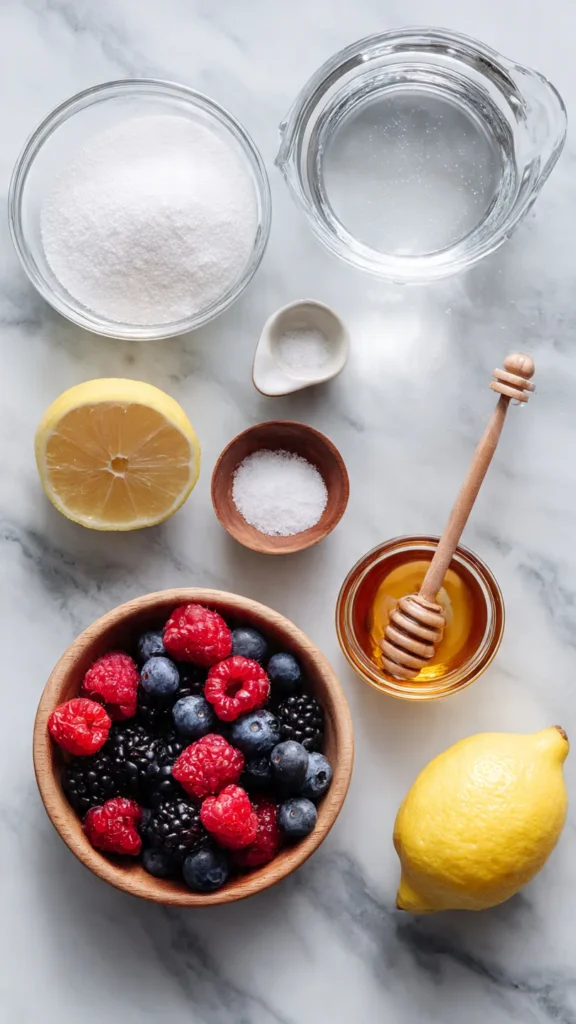
What You’ll Need
- 2 cups water (divided)
- 2 tablespoons unflavored gelatin powder
- 1 cup fresh or frozen mixed berries
- 2 tablespoons honey or your preferred sweetener
- 1 tablespoon lemon juice
- Pinch of salt
Instructions
- Pour 1 cup of cold water into a medium bowl. Sprinkle the gelatin evenly over the surface. Don’t dump it in a pile or you’ll get clumps. Let it sit for about 5 minutes until it blooms and gets spongy.
- Heat the remaining 1 cup of water until it’s just about to boil. You don’t need a rolling boil here.
- Pour the hot water over the bloomed gelatin and stir until everything dissolves completely. This takes a minute or two. Make sure there are no granules left.
- Stir in the honey, lemon juice, and salt. Taste it. Adjust the sweetness if you need to. I usually like mine a little tart.
- Divide the berries between 4 small cups or ramekins. Pour the gelatin mixture over them.
- Refrigerate for at least 4 hours, or until completely set. I usually just leave them overnight.
That’s it. Seriously.

Frequently Asked Questions
Is gelatin actually good for weight loss?
Yes. Gelatin is almost pure protein with zero carbohydrates and fat, which can help increase fullness without adding many calories. Many people use it as a low-calorie option to manage cravings between meals.
How much gelatin should I eat per day for weight loss?
Using 1 to 2 tablespoons per day provides approximately 6 to 12 grams of extra protein. This amount is generally reasonable, but consuming excessive amounts may cause digestive discomfort.
What is the difference between gelatin and collagen peptides for weight loss?
Gelatin and collagen peptides originate from similar sources and contain comparable protein. Collagen peptides dissolve easily in cold liquids and do not gel, while gelatin must be dissolved in hot liquid and will set when chilled.
Can diabetics eat homemade gelatin desserts?
Yes, homemade gelatin desserts can be suitable for diabetics when prepared with sugar-free sweeteners such as stevia or monk fruit. Gelatin itself does not affect blood sugar levels.
Why will my gelatin not set properly?
Gelatin may not set if it is not bloomed in cold water before heating, if the ratio of gelatin to liquid is too low, or if fresh pineapple or papaya is used since they contain enzymes that prevent gelling. A reliable guideline is 1 tablespoon of gelatin per 2 cups of liquid.
Nutrition Info (per serving)
- Prep time: 10 minutes
- Set time: 4 hours
- Servings: 4
- Calories: 58 per serving
- Protein: 6g
- Carbs: 8g
- Fat: 0g
How to Store Your Gelatin Treats
These keep really well in the fridge for up to 5 days. Just cover them with plastic wrap or pop lids on if you’re using containers with covers.
Don’t freeze them. I tried once. Bad idea. The texture gets weird and grainy when they thaw.
I like to make them in those little 4-ounce mason jars so I can grab one on my way out the door. Perfect for when you need a low-calorie snack under 100 calories but don’t want to think too hard about it.
A Few Variations I’ve Tried
Coffee Gelatin: Use strong brewed coffee instead of water. Add a splash of vanilla and a little sweetener. It’s like a coffee jelly and tastes surprisingly fancy. Great if you’re into the whole iced coffee thing but want something more filling.
Tropical Version: Swap the berries for diced mango and use coconut water as half of the liquid. Be careful with pineapple though – fresh pineapple has an enzyme that prevents gelatin from setting. Canned works fine because it’s been heat-treated.
Chocolate Protein Cups: Whisk in 2 tablespoons of cocoa powder and an extra tablespoon of sweetener. This one tastes like chocolate pudding and my kids go absolutely nuts for it. It’s also a lifesaver when you’re craving something chocolatey but don’t want to blow your calorie budget.
If you’re looking for more ways to satisfy that sweet tooth without going overboard, check out our low-calorie dessert recipes collection.
Tips That Took Me a While to Figure Out
Buy unflavored gelatin in bulk if you’re going to make this regularly. Those little Knox packets add up fast, and the bulk stuff is way cheaper per ounce. I get mine from the health food store or order online.
Always bloom your gelatin in cold liquid first. If you skip this step and just dump it into hot water, you’ll get lumps. I learned this the hard way. Multiple times, actually, because apparently I’m stubborn.
Don’t use fresh pineapple, papaya, kiwi, or mango in your gelatin. They contain enzymes that break down the protein and your mixture will never set properly. Cooked or canned versions of these fruits are fine.
And here’s one more thing – gelatin is great, but it’s not a complete protein. It’s missing some essential amino acids. So don’t rely on it as your only protein source. Think of it as a supplement to the low-calorie chicken, seafood, and other proteins you’re already eating.
The Bottom Line
Gelatin isn’t glamorous. Nobody’s posting it on Instagram with fancy hashtags. But it works. It’s cheap, it’s easy, and it helps you feel satisfied while keeping calories low.
I’ve been making some version of these little cups for years now, and they’ve become a staple in my fridge. They’re perfect for that 3 PM slump when you want something sweet, or after dinner when you’re not really hungry but your brain is convinced you need dessert.
Give them a try this week. Your future self will thank you.
Want more ideas for staying on track? Browse our full collection of low-calorie weight loss recipes for breakfast, lunch, dinner, and everything in between.
Berry Protein Gelatin Cups for Weight Loss
Light and refreshing protein-packed cups to curb cravings. Only 58 calories with 6g protein per serving.
Ingredients
- 2 cups water, divided
- 2 tablespoons unflavored gelatin powder
- 1 cup fresh or frozen mixed berries
- 2 tablespoons honey or preferred sweetener
- 1 tablespoon fresh lemon juice
- 1 pinch salt
Instructions
-
1Pour 1 cup of cold water into a medium bowl. Sprinkle the gelatin powder evenly over the surface. Don’t dump it in a pile or you’ll get clumps. Let it sit for 5 minutes until it blooms and becomes spongy.
-
2Heat the remaining 1 cup of water in a small saucepan until just about to boil. You don’t need a rolling boil here.
-
3Pour the hot water over the bloomed gelatin and stir until completely dissolved. This takes about 1-2 minutes. Make sure no granules remain.
-
4Stir in the honey, lemon juice, and salt. Taste and adjust sweetness if needed. I usually like mine a little tart.
-
5Divide the mixed berries evenly between 4 small glass cups, mason jars, or ramekins.
-
6Pour the gelatin mixture over the berries in each container.
-
7Refrigerate for at least 4 hours or until completely set. I usually leave them overnight for best results.
- Storage: Keep covered in the fridge for up to 5 days. Do not freeze.
- Diabetic-friendly: Replace honey with stevia or monk fruit for a sugar-free version.
- Important: Avoid fresh pineapple, papaya, or kiwi as they prevent gelatin from setting.
- Meal prep tip: Make a batch on Sunday for grab-and-go snacks all week.