tropical sunrise smoothie pineapple mango
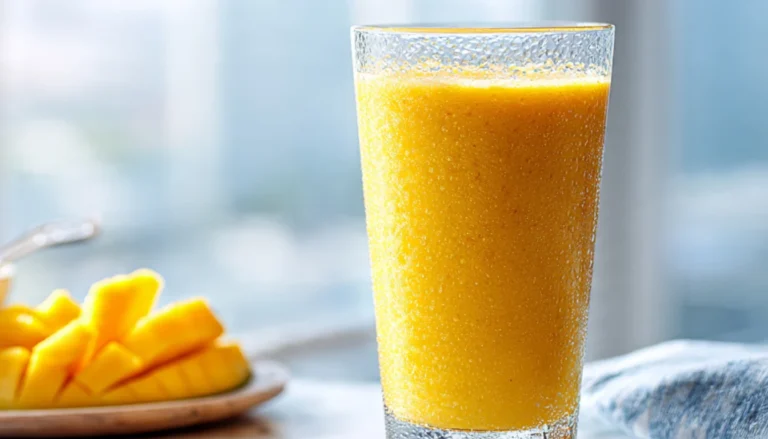
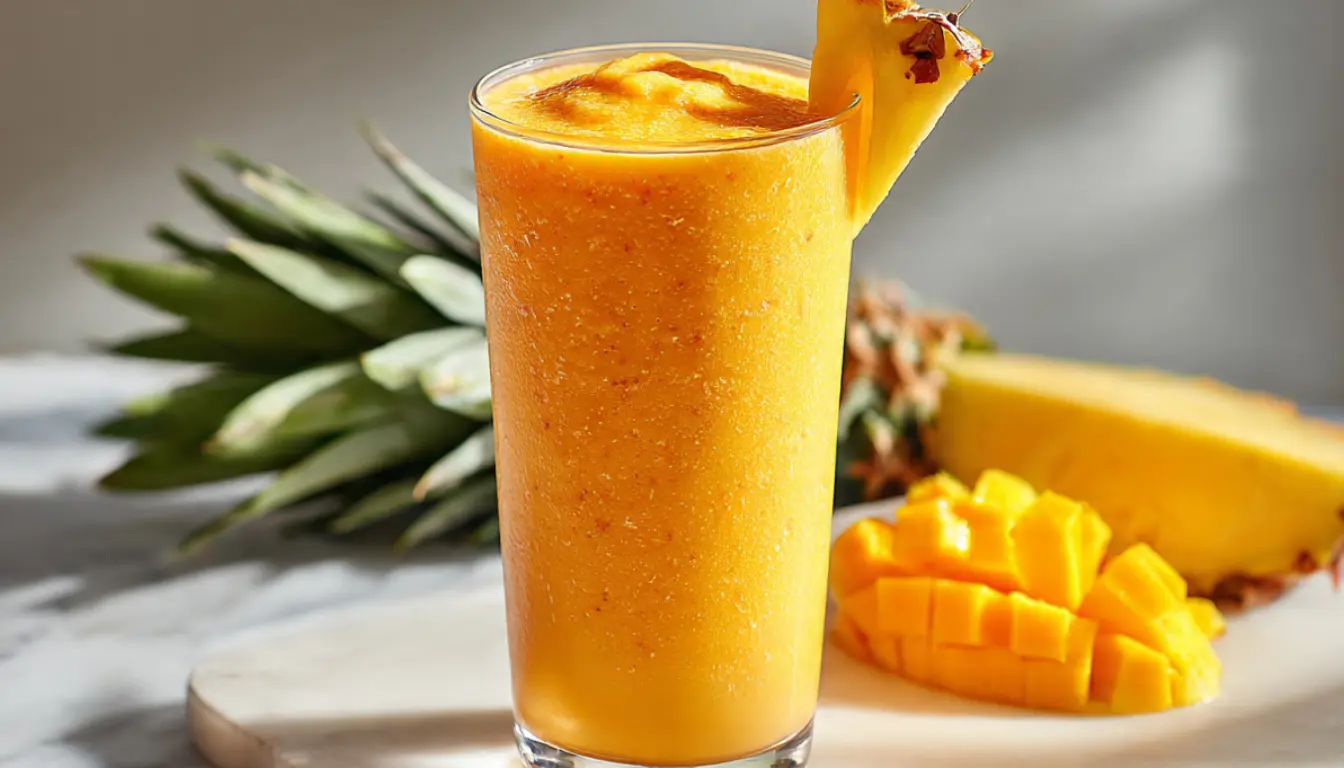
I’ve been making this smoothie every summer morning for the past three years. It started when I was trying to kick my Starbucks habit (those Frappuccinos were wrecking my calorie budget), and I needed something that felt like a vacation in a glass. This tropical sunrise smoothie became my answer.
The combination of pineapple and mango isn’t just delicious. It’s also surprisingly good at keeping you full. The fiber from the fruit plus a scoop of protein powder means you’re not hungry again by 10am.
And honestly? It tastes way better than anything you’d buy at a smoothie shop.
Why This Smoothie Works for Weight Loss
Here’s the thing about smoothies and weight loss. They get a bad rap because most versions are basically milkshakes disguised as health food. I’m looking at you, 600-calorie açai bowls.
This one clocks in at about 285 calories. That includes real fruit, Greek yogurt for protein, and just enough coconut milk to make it creamy without going overboard.
The pineapple brings natural sweetness so you don’t need added sugar. Mango adds that silky texture. Together, they pack about 100% of your daily vitamin C needs, which is kind of a bonus when you’re trying to stay healthy while losing weight.
I learned the hard way not to add honey or agave. The fruit is sweet enough on its own. Trust me on this one.
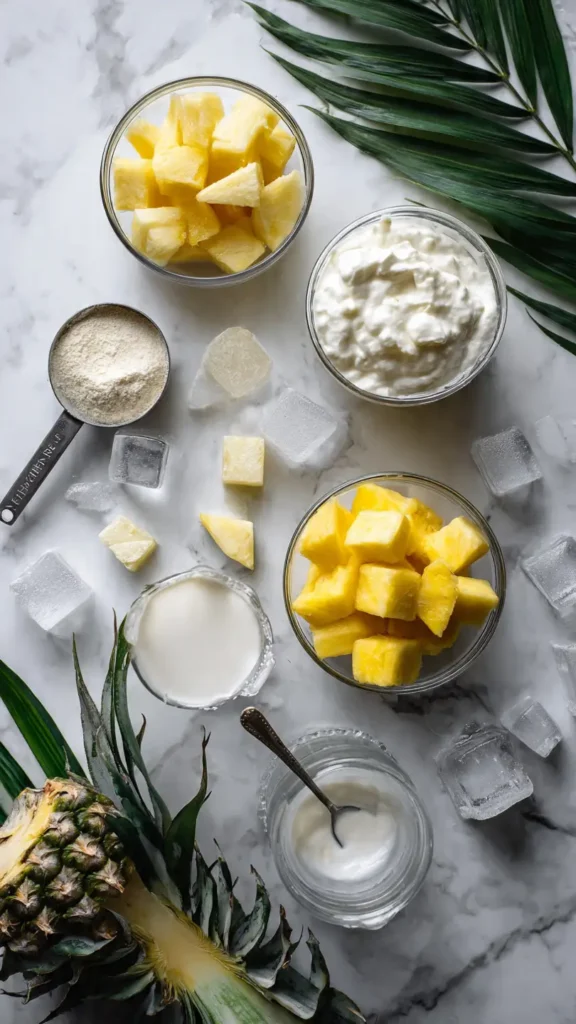
What You’ll Need
For 1 serving (285 calories, 18g protein):
- 1 cup frozen pineapple chunks (about 150g)
- ½ cup frozen mango chunks (about 80g)
- ½ cup plain non-fat Greek yogurt
- ½ cup unsweetened coconut milk (the kind in a carton, not canned)
- 1 scoop vanilla protein powder (about 20g protein)
- ½ cup ice cubes
- Optional: fresh lime juice (1 tablespoon) for extra zing
The frozen fruit is key. It makes the smoothie thick and cold without watering it down with too much ice.
I buy big bags of frozen tropical fruit from Costco and keep them stocked. Way cheaper than buying fresh, and there’s zero waste when something goes bad in your fridge.
How to Make It
Throw everything in your blender. Seriously, that’s it.
But the order matters if you have a regular blender (not one of those fancy Vitamix things). Liquid first, then yogurt, then frozen fruit on top. This helps everything blend smoothly without your blender making that angry grinding noise.
Blend on high for 45-60 seconds. You want it completely smooth with no chunks of frozen fruit lurking at the bottom.
If it’s too thick, add a splash more coconut milk. Too thin? Toss in a few more ice cubes and blend again.
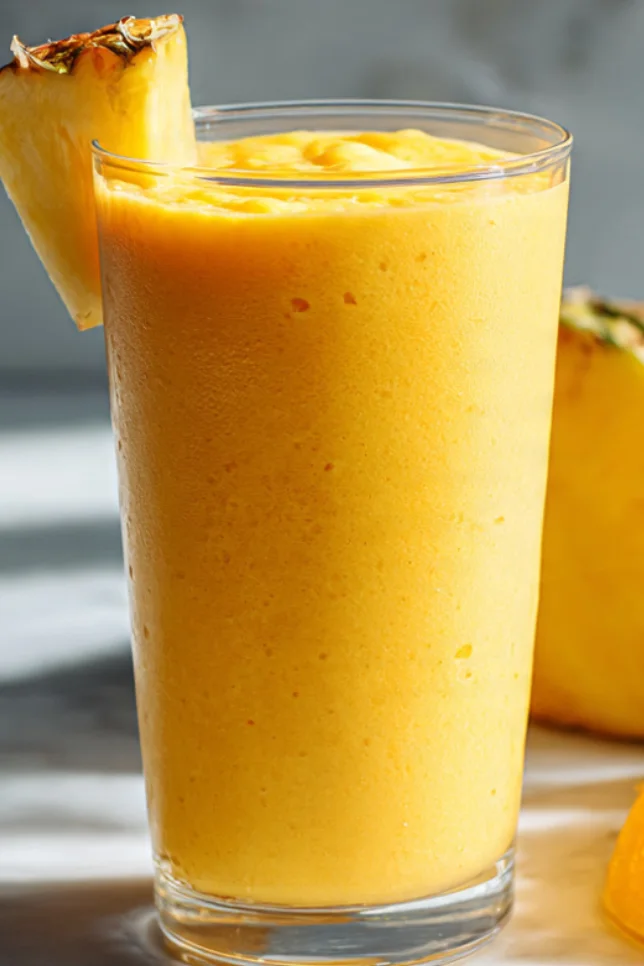
Pour it into a tall glass and drink it right away. Or pour it into a travel cup if you’re running out the door. I’ve taken this smoothie to work more times than I can count.
The Real Talk About Smoothies and Hunger
I’m not gonna lie. Some smoothies leave you starving an hour later.
This one doesn’t, and here’s why. The protein powder is doing real work here. I use either vanilla whey or plant-based vanilla protein, depending on what’s in my pantry. Both work fine.
The Greek yogurt adds another protein boost plus some thickness. And the fiber from the fruit slows down digestion so your blood sugar doesn’t spike and crash.
I’ve tried making this without the protein powder to save money. Bad idea. I was hungry before lunch and ended up eating a bagel from the break room. So yeah, the protein powder stays.
Storage and Meal Prep
You can’t really make this ahead and store it. Smoothies separate and get weird in the fridge.
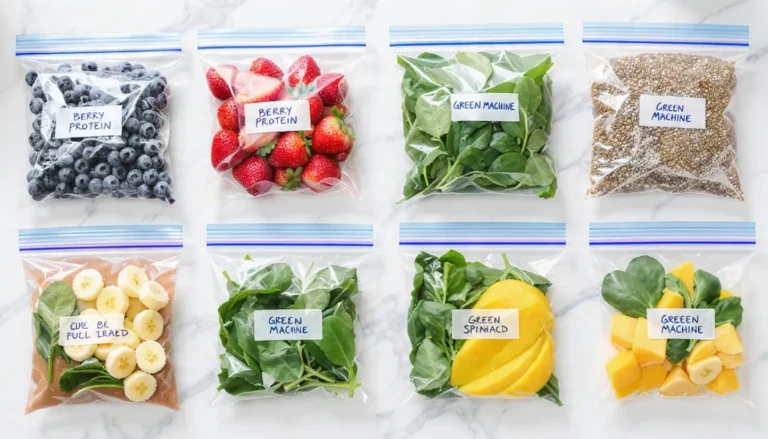
But you can prep smoothie packs. I do this every Sunday for the week ahead.
Portion out the frozen fruit into individual zip-top bags or containers. One cup pineapple and ½ cup mango per bag. Label them if you’re organized (I’m not). Keep them in the freezer.
In the morning, dump one bag into the blender with the wet ingredients. Blend and go. Takes maybe two minutes total.
The Greek yogurt and coconut milk live in my fridge. The protein powder stays in my pantry. Easy.
Why Pineapple and Mango Specifically
I’ve experimented with other tropical fruits. Papaya was okay but kind of bland. Passion fruit was too tart for my kids. Banana made it too thick and added more calories than I wanted.
Pineapple has this enzyme called bromelain that’s supposed to help with digestion. I don’t know if that’s actually true or just something wellness influencers say. But pineapple definitely tastes good and has barely any calories for the volume you get.
Mango brings creaminess without needing to add more yogurt or milk. It’s naturally sweet but not as sugary as you’d think. One cup of mango has about 100 calories and feels like way more than that when you’re blending it.
Together they taste like you’re on vacation. Which is exactly what I need at 6:30am when I’m packing school lunches and trying to find my other shoe.
Variations That Actually Work
Green Sunrise Smoothie: Add a big handful of spinach. You won’t taste it, I promise. My kids have no idea they’re drinking vegetables.
Protein-Packed Version: Use 1 full cup Greek yogurt instead of ½ cup. Bumps the protein to about 25g but adds roughly 60 more calories.
Dairy-Free: Skip the Greek yogurt and use coconut yogurt instead. Or add an extra scoop of protein powder and increase the coconut milk slightly.
Lower Calorie: Cut the protein powder and use ¾ cup Greek yogurt instead. You’ll get about 240 calories with 15g protein. Still filling.
I sometimes add a tablespoon of chia seeds if I remember. They add fiber and omega-3s, plus they thicken the smoothie as it sits. Good if you’re drinking it slowly at your desk.
The Equipment Situation
You need a decent blender. Not a $500 one, but something with enough power to crush frozen fruit.
I used a cheap $30 blender for years and it worked fine. It was just loud and took longer to blend everything smooth. I eventually upgraded to a Ninja blender during a Black Friday sale, and yeah, it’s faster. But the cheap one still got the job done.
If your blender struggles with frozen fruit, let the pineapple and mango sit on the counter for 5-10 minutes before blending. Takes the edge off the frozen-ness.
When to Drink This
I make this for breakfast at least four days a week. It’s become part of my morning routine, right after coffee (because let’s be real, I’m not giving up coffee).
Some people use it as a post-workout snack. That works too, especially if you bump up the protein.
It’s also good as a healthy dessert when you’re craving something sweet at night. I’ve definitely made this at 8pm when I wanted ice cream but was trying to stick to my calorie goals for the day.
Cost Breakdown
People always ask if making smoothies at home actually saves money. It does if you’re comparing it to buying them at a smoothie shop.
Here’s the rough math:
- Frozen pineapple and mango: about $1.50 per smoothie
- Greek yogurt: $0.40
- Coconut milk: $0.25
- Protein powder: $1.00
- Total: roughly $3.15 per serving
Compare that to $8-10 at Jamba Juice or your local smoothie place. I was spending $40-50 a week on smoothies before I started making them at home. Now it’s maybe $15.
The upfront cost of buying the ingredients feels like a lot. But one bag of frozen fruit makes 4-5 smoothies. One container of protein powder lasts a month. The math works out.
Final Thoughts
This smoothie isn’t magic. It’s not going to make you lose 20 pounds or fix all your food problems.
But it’s a solid, filling breakfast that tastes good and fits into a calorie deficit. It’s something you can actually stick with long-term because it doesn’t feel like diet food.
I’ve made probably 500 of these at this point. My kids steal sips when I’m not looking. My husband makes one for himself on weekends. It’s become a staple in our house.
Try it tomorrow morning. Use whatever protein powder you have. If you don’t have coconut milk, use regular milk or even water. Make it work with what’s in your kitchen.
You can save this recipe to your phone or wherever you keep the things you actually use. And if you’re looking for more ways to make weight loss easier without feeling deprived, check out our full guide on Low-Calorie Weight Loss Recipes for tons of practical ideas that actually taste good.
Related recipes you might like:
- Low-Calorie Smoothie Recipes for more blended breakfast ideas
- Low-Calorie Breakfast Recipes if you want options beyond smoothies
- Low-Calorie High-Protein Recipes for more filling, muscle-preserving meals
Tropical Sunrise Smoothie (Pineapple Mango)
A vibrant tropical smoothie that tastes like vacation in a glass
Ingredients
- 1 cup frozen pineapple chunks (150g)
- ½ cup frozen mango chunks (80g)
- ½ cup plain non-fat Greek yogurt
- ½ cup unsweetened coconut milk (carton variety)
- 1 scoop vanilla protein powder (about 20g protein)
- ½ cup ice cubes
- 1 tablespoon fresh lime juice (optional)
Instructions
- Pour the coconut milk into your blender first. This helps everything blend smoothly without your blender making angry grinding noises.
- Add the Greek yogurt and protein powder on top of the coconut milk.
- Toss in the frozen pineapple chunks and frozen mango chunks. The frozen fruit is what makes it thick and creamy.
- Add the ice cubes on top. If you’re using lime juice for extra zing, add it now.
- Blend on high for 45-60 seconds until completely smooth with no chunks of frozen fruit lurking at the bottom.
- Too thick? Add a splash more coconut milk. Too thin? Toss in a few more ice cubes and blend again.
- Pour into a tall glass and drink right away. Or pour into a travel cup if you’re running out the door.
Nutrition Facts
Per serving
📝 Recipe Notes
- Meal Prep Tip: Portion frozen fruit into individual bags (1 cup pineapple + ½ cup mango per bag). In the morning, dump one bag into the blender with wet ingredients.
- Protein Powder: Use whey or plant-based vanilla protein. Both work fine. Don’t skip it or you’ll be hungry before lunch.
- Blender Struggles: If your blender can’t handle frozen fruit, let it sit on the counter for 5-10 minutes before blending.
- Green Version: Add a big handful of spinach. You won’t taste it, promise.
- Cost Saving: Buy frozen tropical fruit in bulk from Costco or warehouse stores. Way cheaper than fresh and zero waste.