Budget Office Lunch Ideas Under $5 (That Actually Taste Good)
I used to spend around $12 on lunch every single workday. Salads from the deli downstairs, those overpriced grain bowls, the occasional sandwich that somehow costs $11 and still leaves me hungry by 3pm. I did the math one afternoon while sitting at my desk feeling vaguely resentful, and honestly it shocked me. Over a year, I was basically handing a car payment to lunch spots that didn’t even know my name.
That was the moment I got serious about packing my own lunch. And no, I’m not talking about sad desk salads or those plain rice-and-steamed-broccoli containers that make your coworkers look at you with sympathy. I mean real lunches, filling and genuinely good, that cost under $5 a serving when you break it down. It took some trial and error (there was a disastrous chickpea situation in 2021 I’d rather forget), but I figured it out. And I want to share what actually works.
The $5 Mindset Shift You Need First
Here’s the thing most budget meal guides miss: they tell you what to make but not how to think about the cost. The secret to consistently staying under $5 per lunch is buying ingredients that do double or triple duty across the week. A bag of dry lentils costs maybe $2 and makes enough food for four lunches. A rotisserie chicken from the grocery store runs about $7 and gives you protein for three or four different meals. You’re not cooking one $5 lunch. You’re cooking smartly so every serving costs under $5.
Once I internalized that, the whole thing got much easier.
Lentil Soup: The Office Lunch Hero Nobody Talks About
I know what you’re thinking. Lentils? Really? But trust me on this one. A big pot of red lentil soup costs maybe $6-7 to make and yields five generous portions, so you’re at roughly $1.30 per serving. It reheats beautifully in the office microwave (unlike a lot of things), it’s thick enough to keep you full until 6pm, and it’s genuinely delicious when you do it right.
The mistake I used to make was being too bland about it. Lentils need aromatics and spice or they taste like, well, lentils. I cook mine with olive oil, a diced onion, garlic, cumin, smoked paprika, and a can of diced tomatoes. Let it simmer for 25 minutes and hit it with a squeeze of lemon at the end. That lemon step is non-negotiable. It wakes the whole thing up.
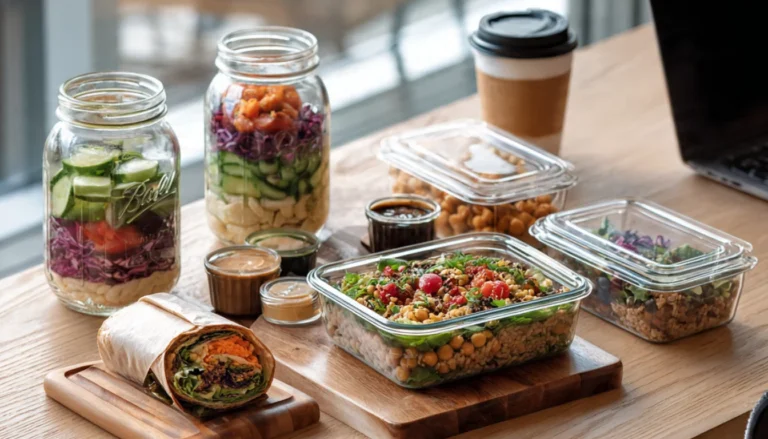
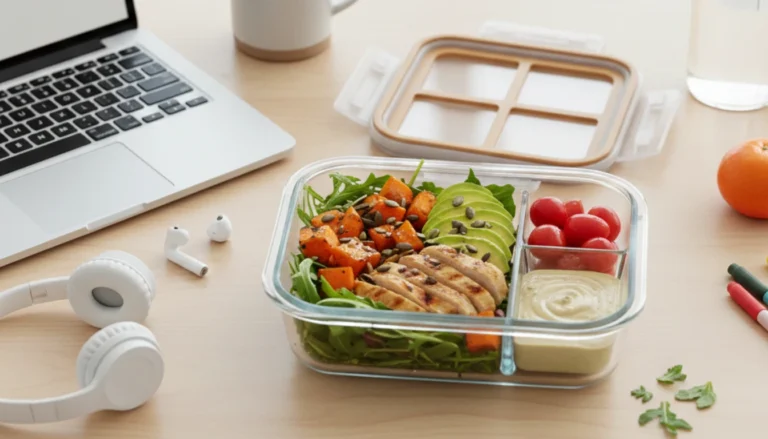
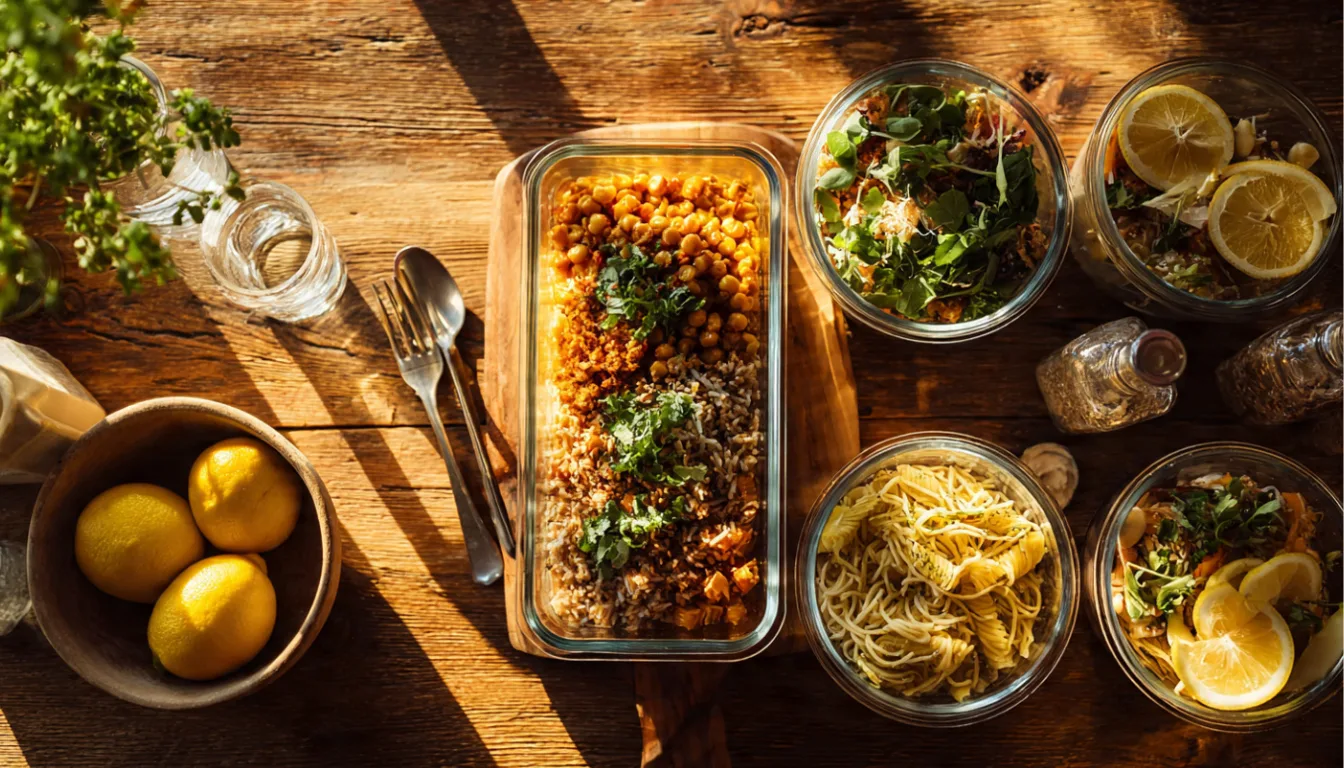
For containers, I use a good set of glass meal prep containers with locking lids because I’ve had too many soup disasters from flimsy plastic ones. Leaking lentil soup in your bag is a Monday-morning experience you don’t want to have twice.
The Rice Bowl Situation
Rice bowls are budget lunch royalty and for good reason. A cup of dry rice costs maybe 15 cents and cooked down makes a filling base for two bowls. From there you can go a dozen different directions depending on what you have.
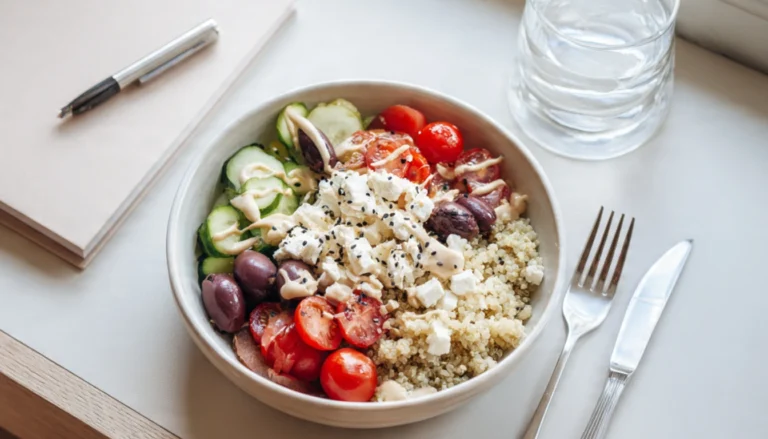
My personal go-to for busy weeks is what I call the pantry bowl: rice, canned black beans (rinsed and drained), corn, a spoonful of salsa, and whatever cheese is in the fridge. Total cost is probably $1.50 per serving and it takes about eight minutes to pull together in the morning if the rice was cooked ahead.
If you want to step it up a notch, add a fried egg on top. I started doing this after reading somewhere that it adds protein and richness, and whoever wrote that was completely right. It turns a basic rice bowl into something that feels actually restaurant-adjacent.

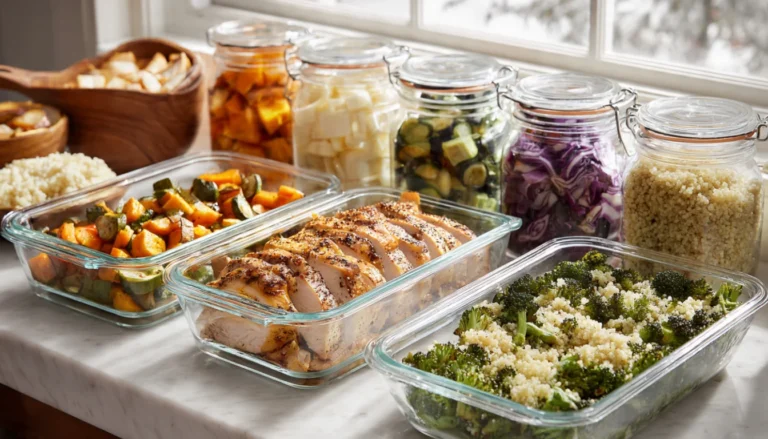
The prep tip that changed everything for me: I cook a big batch of rice every Sunday. A rice cooker makes this mindless but honestly a regular pot works just fine. Having cooked rice in the fridge means any grain bowl comes together in five minutes flat during the work week.
Pasta Salads That Don’t Get Sad
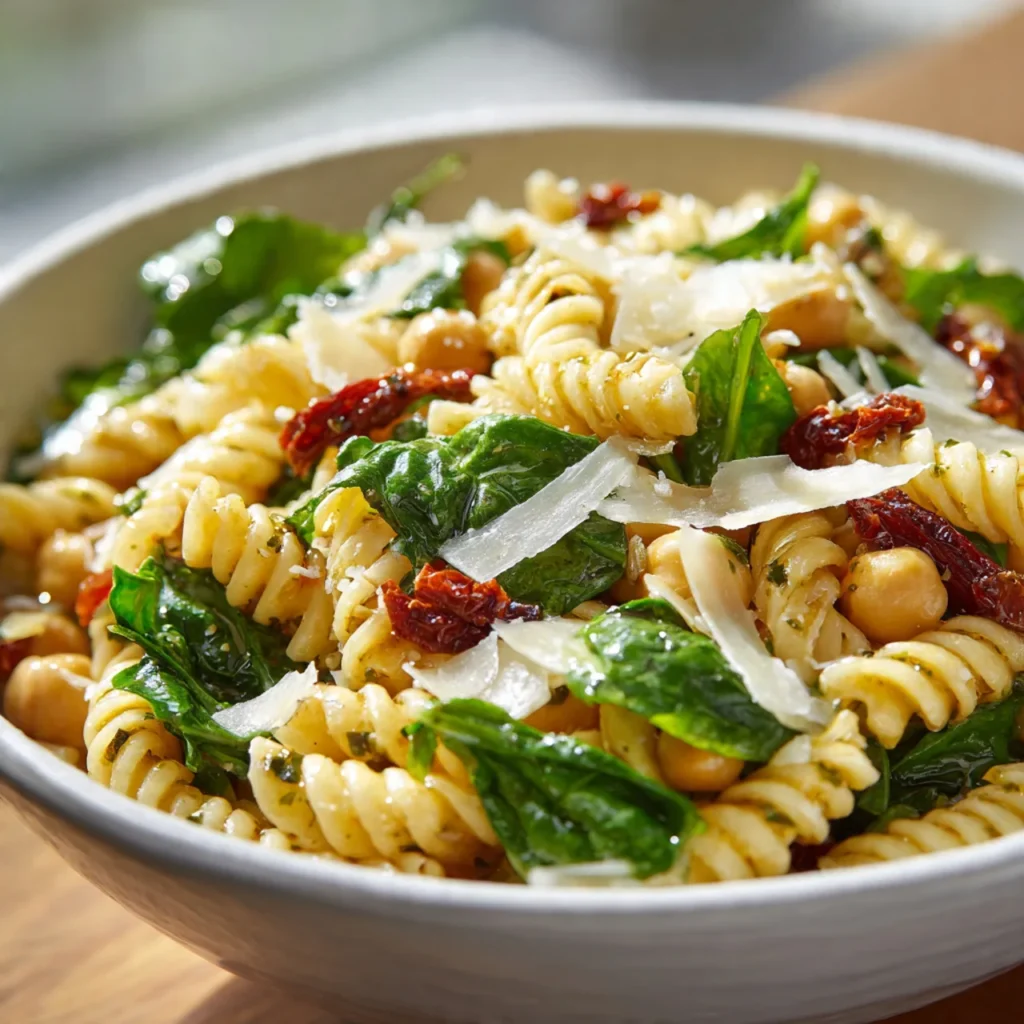
Hot pasta lunches are tricky at the office because they tend to dry out or get gluey by noon. The solution is pasta salad, but not the mayo-heavy picnic kind. Think Italian-style: rotini or penne, olive oil, whatever vegetables you have, maybe some feta or parmesan, and a splash of red wine vinegar.
I make a big batch on Sunday using about half a box of pasta (around $1), half a jar of sun-dried tomatoes, a can of chickpeas, spinach, and parmesan. The whole thing costs maybe $8 and gives me four lunches. That’s $2 per serving for something that genuinely tastes good cold, which means no fighting anyone for the microwave.
One thing I learned the hard way: dress the pasta salad lightly at first, then add a bit more olive oil right before eating. Pasta absorbs dressing overnight so what tasted balanced on Sunday tastes dry by Tuesday if you’re not careful.
Egg Muffins for the People Who Skip Breakfast and Regret It at Noon
Okay these aren’t technically a “lunch” but I want to include them because they’ve saved me from the vending machine more times than I can count. Egg muffins are essentially mini frittatas you bake in a muffin tin. Eggs, whatever vegetables you have, some cheese, maybe leftover cooked meat, salt and pepper. Bake at 375 degrees for 18-20 minutes and you’ve got 12 portable little protein bites.
Cost breakdown: a dozen eggs is maybe $3.50 right now, and the rest is whatever scraps you have. Each muffin works out to under 30 cents. I pack three or four as a desk snack or pair them with some crackers for a light lunch.
They stay good in the fridge for four days and honestly taste fine cold, which is the whole point.

The Grain That Deserves More Credit: Barley
This one surprised me too. Pearl barley is one of the cheapest grains at the grocery store (usually around $1.50 per bag), it has a nutty chewiness that holds up well in the fridge, and it keeps you full for a long time because of the fiber content.
I use it like I use rice, as a base for bowls, or toss it into a big salad with roasted vegetables and a lemony dressing. Roasting vegetables sounds fancy but it’s really just chopping whatever is about to go bad in your produce drawer, tossing with olive oil and salt, and letting the oven do the work while you do something else.
The whole meal preps in about 40 minutes on the weekend and costs under $3 for a serving that would run $13 at a “grain bowl concept” restaurant downtown.
A Few Things That Make This All Easier
You don’t need a ton of equipment to eat well on a budget, but a couple of things genuinely help. Good leak-proof containers are worth spending a bit on because cheap ones fail you at the worst moments. I also swear by having a wide-mouth thermos for soups and stews, especially in winter. It keeps food hot for six hours, which means I don’t have to use the communal microwave that always smells like someone’s fish at all.
Beyond equipment, the single biggest habit that makes budget office lunches work is the Sunday cook. You don’t need to prep every single meal. Even just cooking one big batch of grain and one pot of something scoopable (soup, stew, bean dish) means you have the bones of four or five lunches waiting for you. Everything else is assembly.
What I Wish I’d Known Earlier
The biggest mistake I made when I first started packing lunch was trying to pack the exact same meal I’d buy at a restaurant. I was making ambitious sandwiches with specialty ingredients and wondering why it felt like work. The shift happened when I stopped trying to replicate restaurant food and started leaning into what home cooking does well: simple combinations of cheap ingredients, made with enough seasoning to taste genuinely good.
Also, your mileage will absolutely vary on what satisfies you. I’m someone who needs substantial carbs at lunch or I’m useless by 2pm. Some people are totally fine with a big salad. Know yourself. Budget lunch doesn’t have to mean suffering through food that doesn’t work for your appetite.
The other thing worth saying: you don’t have to do this every single day to make a difference. Even bringing lunch three days a week instead of buying it five days a week cuts your monthly lunch spend significantly. Start there if five days feels overwhelming.
Eating well at work without spending a fortune genuinely is possible, but it takes a bit of planning and a willingness to cook ingredients that aren’t glamorous on paper. Lentils, barley, eggs, rice: none of these are exciting words. But they’re cheap, filling, and they make really good food when you treat them right.
If you try any of these ideas I’d love to hear what worked for you. Drop a comment below or let me know if you’ve got a budget office lunch that I should be making. I’m always looking for more options to add to the rotation.