Low-Calorie Weight Loss Recipes for Beginners: Your No-Stress Starting Point
This article is part of our comprehensive guide on Low-Calorie Weight Loss Recipes. For the full collection of recipes and strategies, start there.
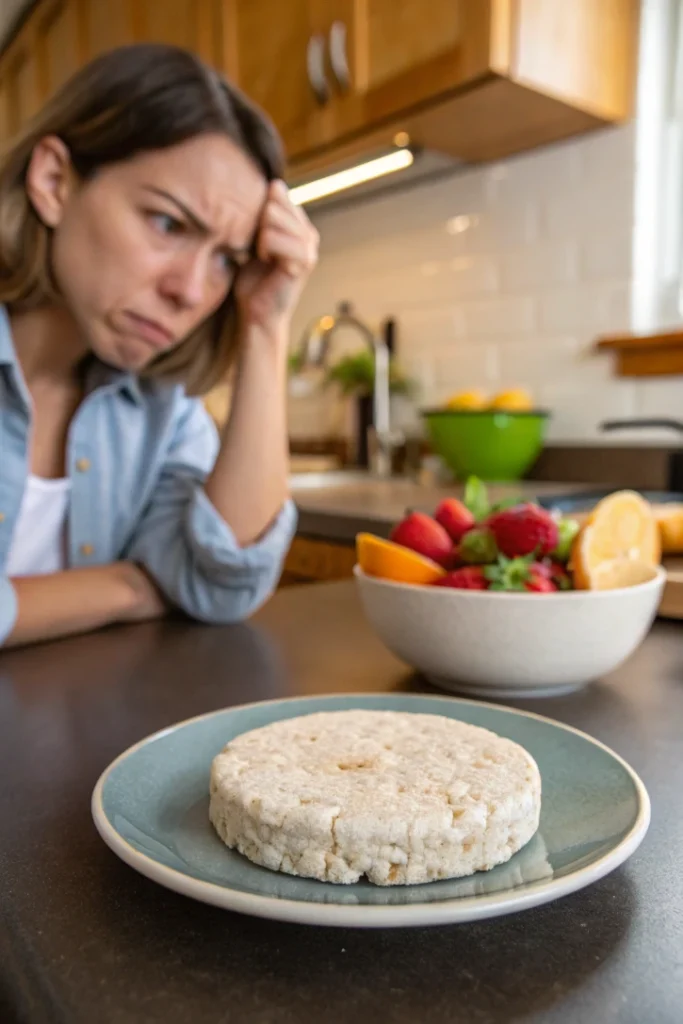
I still remember standing in my kitchen about eight years ago, staring at a sad-looking rice cake and wondering if this was really what “eating healthy” meant. Spoiler alert: it’s not. And honestly? That rice cake phase lasted about three days before I found myself elbow-deep in a bag of chips at 9pm.
Here’s the thing about starting a weight loss journey with low-calorie recipes. Most people overthink it. They buy seventeen different sugar substitutes, a food scale, three apps, and then feel so overwhelmed that they order pizza by Thursday.
I get it. I’ve been there.
But after losing 45 pounds and actually keeping it off (eight years now, which still surprises me), I’ve learned that beginners don’t need complicated. They need simple, satisfying meals that don’t make them feel like they’re being punished.
So let’s talk about what that actually looks like.
Why Calorie Control Actually Matters (Without Getting Obsessive)
Look, I’m not here to turn you into someone who weighs their lettuce. That’s exhausting, and frankly, not sustainable for most of us with actual lives to live.
But understanding the basics of calorie control changed everything for me. When I finally realized that my “healthy” smoothie was packing 600 calories because I was going overboard on nut butter and granola, things started making sense. My doctor had been gently suggesting I look at my portions for months. Turns out she was right.
The simple truth is this: to lose weight, you need to eat fewer calories than your body burns. That’s it. No magic foods. No weird combinations. Just math that actually works in your favor.
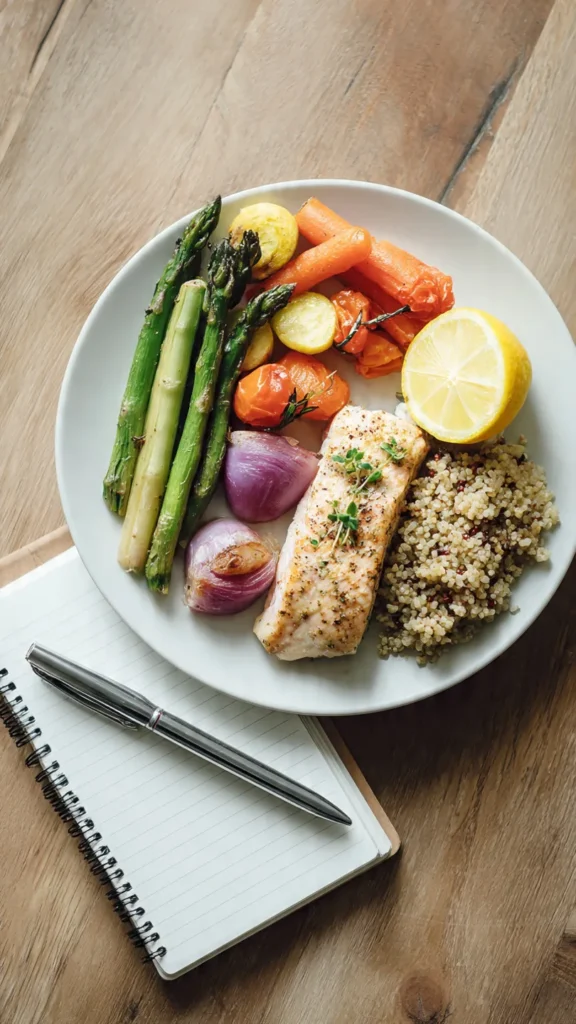
For most people starting out, aiming for 300-calorie meals for breakfast and lunch, then a slightly larger 400-calorie dinner, creates a solid foundation without feeling restrictive.
The Beginner Mistakes I Made (So You Don’t Have To)
Going too low, too fast. I once tried eating 1000 calories a day. By day four, I was so cranky my husband asked if I needed a nap. Your body needs fuel to function. Most women do well with 1400-1600 calories for weight loss. Men typically need more like 1800-2000. Check with your doctor or a registered dietitian if you’re unsure.
Skipping meals to “save” calories. This backfires spectacularly. Trust me. I’d skip breakfast, feel virtuous until 2pm, then demolish half a loaf of bread because I was starving.
Forgetting protein exists. This was a big one for me. I was eating salads with basically just lettuce and dressing, then wondering why I was hungry an hour later. Protein keeps you full. It’s not optional. If you want to go deeper on this, our low-calorie high-protein recipes guide is worth a look.
Your First Week: Keep It Stupidly Simple
When I work with beginners (or when I think back to what actually helped me), the first week isn’t about perfection. It’s about proving to yourself that this doesn’t have to be miserable.
Here’s my advice: pick three recipes. That’s it. Three recipes you can rotate through. Master those before you try to become a whole new person in the kitchen.
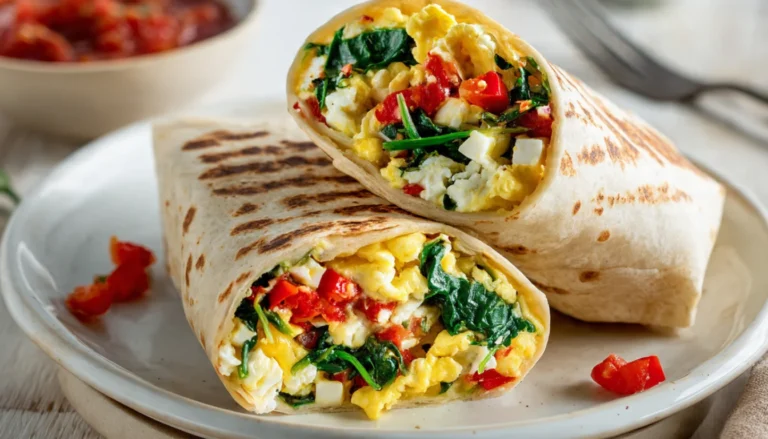
For breakfast, I always recommend something you can prep ahead. Overnight oats, egg muffins, or Greek yogurt parfaits work great. If you’re someone who eats lunch at work, check out our low-calorie lunch recipes for work for ideas that travel well.
And dinner? This is where most people struggle. You’re tired. The kids are loud. Your Instant Pot is staring at you judgmentally. I get it.
That’s why I want to share one of my go-to beginner recipes. It’s the meal I made probably thirty times when I was starting out because it’s genuinely hard to mess up.
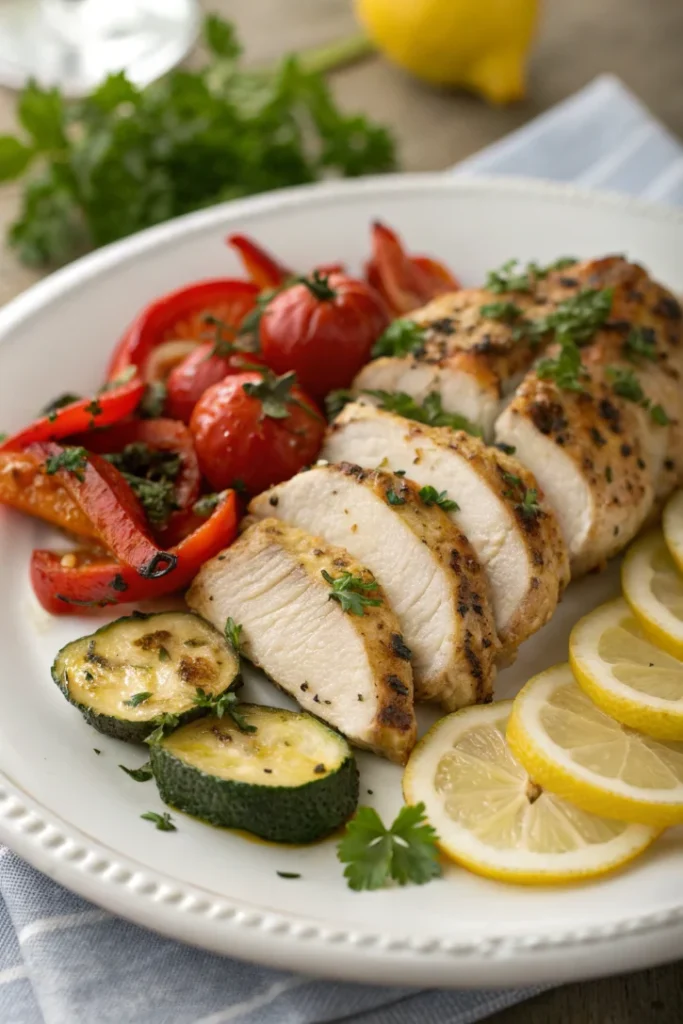
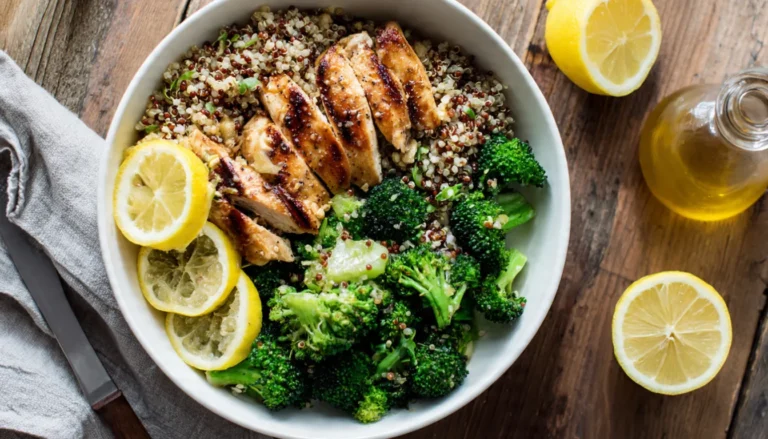
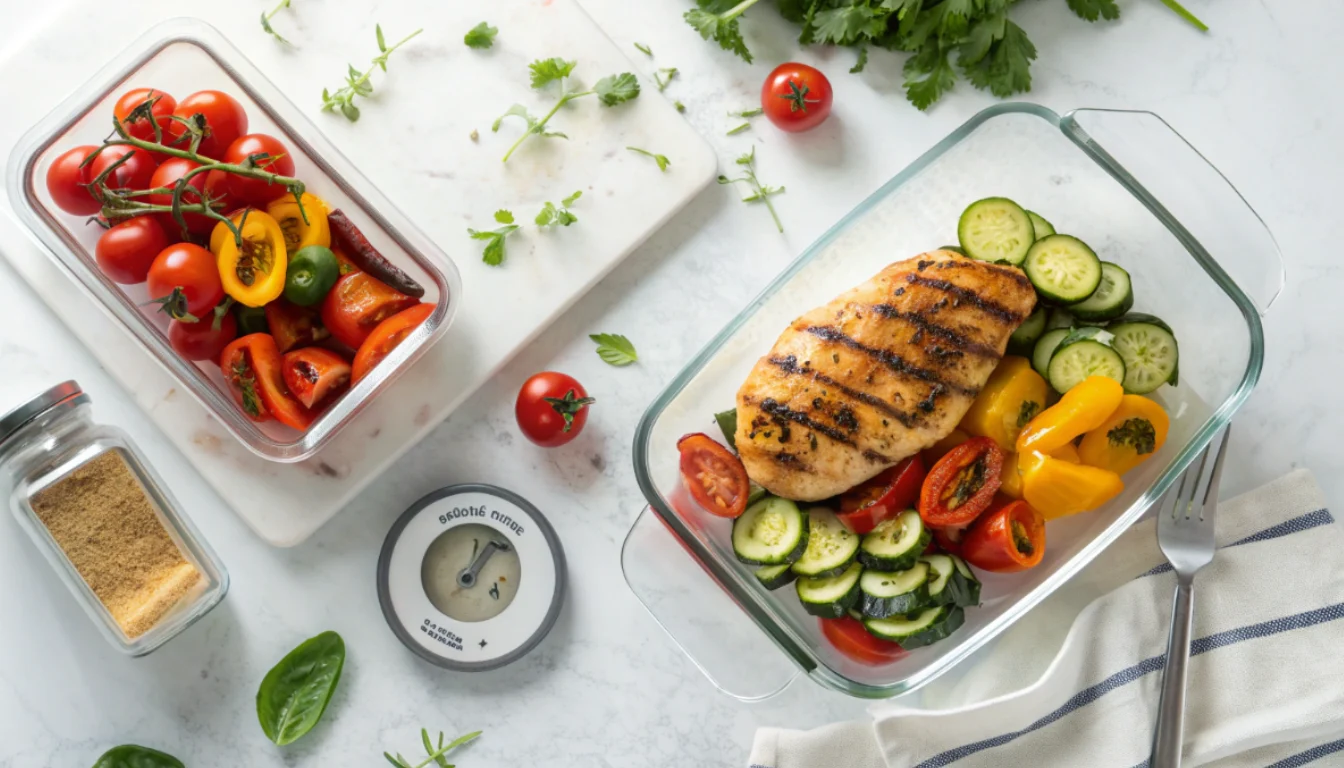
Easy Lemon Herb Chicken with Roasted Vegetables
This is the recipe I wish someone had handed me on day one. It’s forgiving, it’s filling, and it tastes like real food – not diet food.
Prep Time: 15 minutes
Cook Time: 25 minutes
Servings: 4
Calories per Serving: 285
Protein per Serving: 32g
Ingredients
- 4 boneless, skinless chicken breasts (about 6 oz each)
- 2 medium zucchini, sliced into half-moons
- 1 red bell pepper, chopped
- 1 cup cherry tomatoes
- 2 tablespoons olive oil
- 3 cloves garlic, minced
- Juice of 1 lemon
- 1 teaspoon dried oregano
- 1/2 teaspoon dried thyme
- Salt and pepper to taste
- Fresh parsley for serving (optional but pretty)
Instructions
- Preheat your oven to 425°F. Line a large baking sheet with parchment paper because nobody wants to scrub a pan at 8pm.
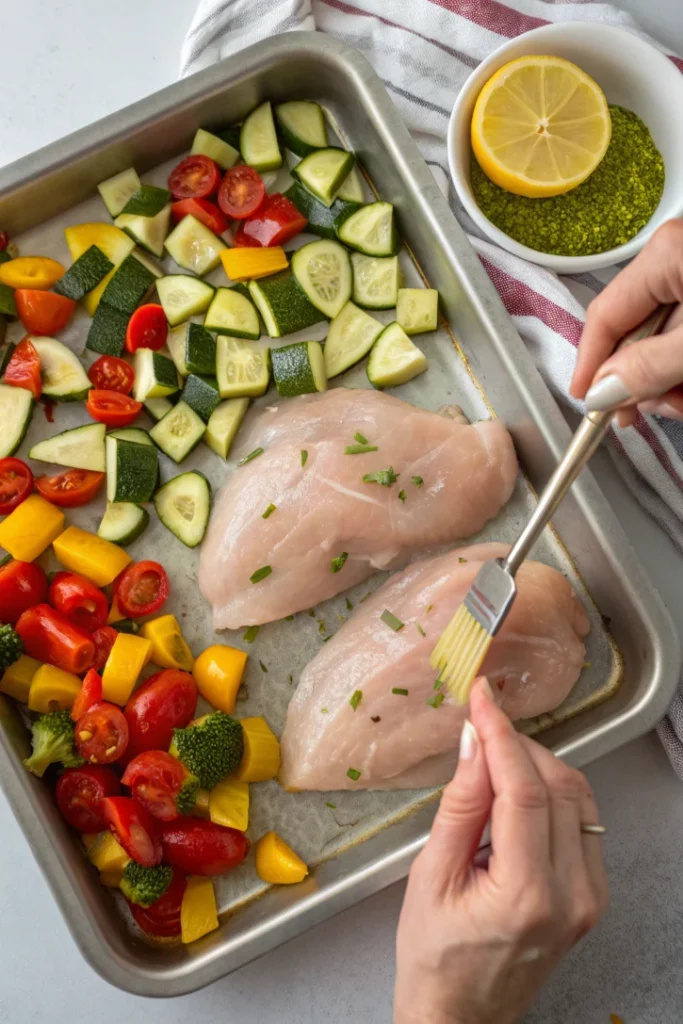
- Toss the zucchini, bell pepper, and cherry tomatoes with 1 tablespoon of olive oil, half the garlic, and a pinch of salt. Spread them on one side of the baking sheet.
- In a small bowl, mix the remaining olive oil, lemon juice, oregano, thyme, remaining garlic, salt, and pepper. This is your magic sauce.
- Place chicken breasts on the other side of the baking sheet. Brush (or honestly, just pour) the lemon herb mixture over each piece.
- Roast for 22-25 minutes until the chicken reaches 165°F internally and the veggies are slightly caramelized. If your vegetables are done before the chicken, just scoot them to a cooler spot on the pan.
- Let the chicken rest for 5 minutes before slicing. Top with fresh parsley if you’re feeling fancy.
Tips for Success
- Don’t skip letting the chicken rest. It makes a difference in juiciness.
- This works great with an air fryer too – if you have one, check out our low-calorie air fryer recipes for more ideas.
- Swap the vegetables for whatever you have. Broccoli, asparagus, and green beans all work well.
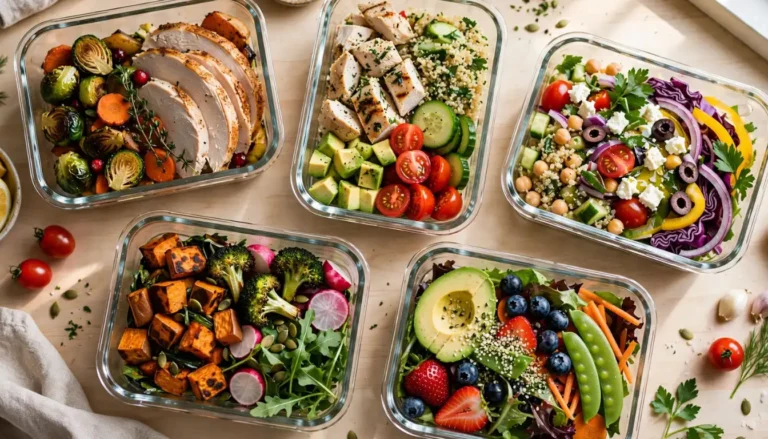
- Make extra chicken for meal prep. It keeps for 4 days in the fridge.
Building Your Beginner Grocery List
When I first started, I’d wander around the grocery store for an hour, overwhelmed by choices. So here’s a stripped-down list of what I’d tell past-me to buy:
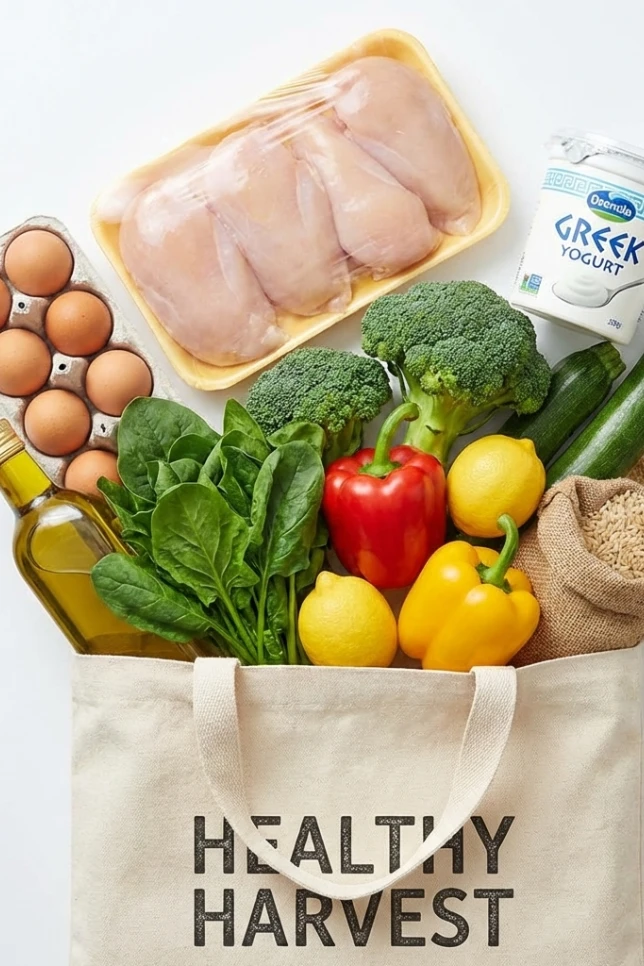
Proteins: Chicken breast, ground turkey (93% lean), eggs, Greek yogurt, canned tuna or salmon
Vegetables: Whatever’s on sale, honestly. But if you’re frozen with indecision: broccoli, zucchini, spinach, bell peppers, and cherry tomatoes cover most bases.
Pantry basics: Olive oil, garlic (fresh or minced in a jar, I won’t judge), lemons, dried herbs, chicken broth, and some whole grain rice or quinoa
Snacks: This matters more than you think. Having snacks under 100 calories ready to grab can save you from a vending machine disaster at 3pm.
You don’t need specialty ingredients. You don’t need expensive supplements. You just need real food you’ll actually eat.
What About Tracking Calories?
I know some people love apps like MyFitnessPal or Lose It. And they can be genuinely helpful, especially in the beginning when you’re learning what portions actually look like. I used MyFitnessPal for about six months, and it was eye-opening. Turns out my eyeball estimate of “a tablespoon of peanut butter” was closer to three tablespoons.
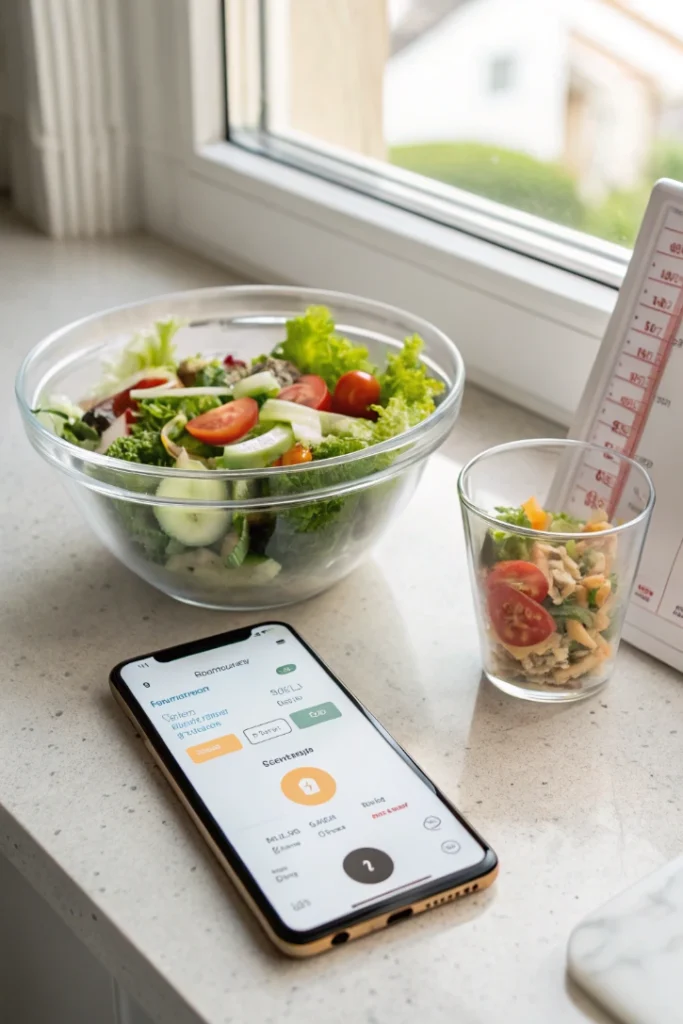
But I’ll be honest. I don’t track anymore. Once you’ve done it for a while, you develop an intuition for portion sizes. And for me, obsessive tracking started feeling unhealthy.
So my advice? Track loosely for a few weeks to calibrate your sense of portions. Then do whatever feels sustainable for you. Some people thrive with apps. Some people do better with general guidelines. Both approaches work.
When You’re Ready for More
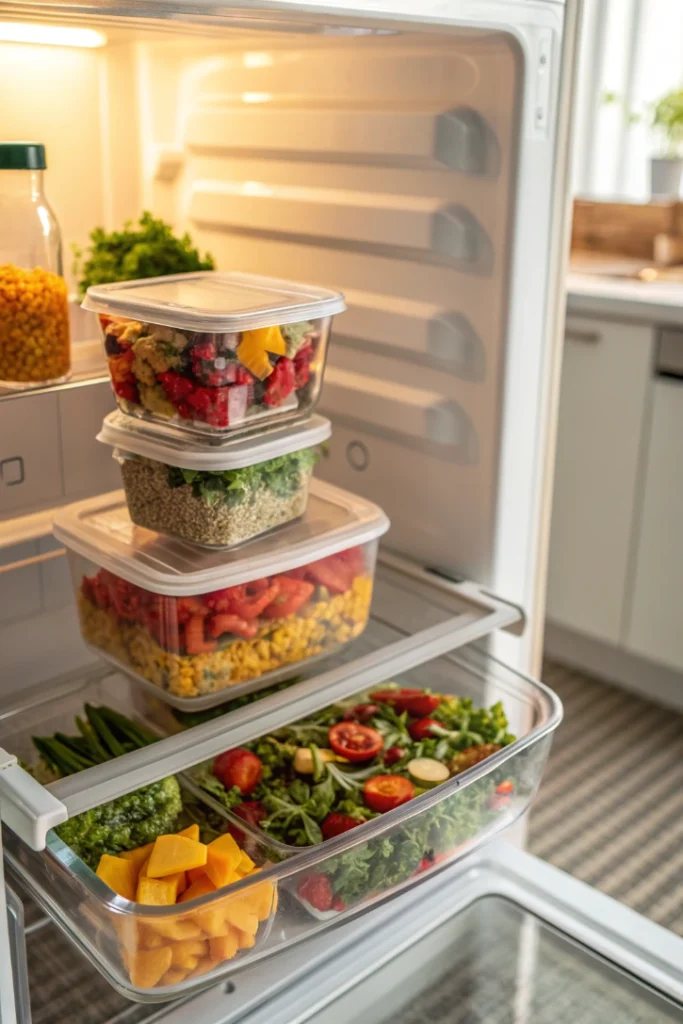
Once you’ve got a few basic recipes down and the whole process feels less scary, you can start expanding. Maybe you try meal prepping on Sundays to make your weeknights easier. Or you explore low-calorie soups for cozy lunches.
If you’re feeding a family (and trying not to make separate meals for everyone), our low-calorie recipes for families has options that even picky eaters tend to accept. I tested most of those on my niece, who’s suspiciously hostile toward vegetables.
The point is: you don’t have to figure it all out right now. Start small. Get comfortable. Then grow from there.
FAQs
How many calories should I eat to lose weight?
This depends on your body, activity level, and goals, but most people lose weight eating 500 calories less than their maintenance level. For many women, that’s around 1400-1600 calories daily. I’d recommend talking to your doctor or using a TDEE calculator as a starting point, then adjusting based on how you feel.
Do I need special equipment for low-calorie cooking?
Not really. A good non-stick pan, a baking sheet, and a food scale (optional but helpful for learning portions) will get you pretty far. That said, I personally love my air fryer for making things crispy without extra oil. It’s become one of my most-used appliances.
What if I’m hungry all the time on a low-calorie diet?
You’re probably not eating enough protein or fiber. Both keep you full longer. Once you start including protein at every meal, the constant hunger typically goes away. Focus on lean proteins like chicken, eggs, Greek yogurt, and fish to stay satisfied.
Can I still eat carbs and lose weight?
Absolutely. You can eat carbs every day and still maintain weight loss. The key is choosing complex carbs like whole grains and vegetables over refined ones, and watching your portions because carbs are easy to overeat.
What’s the best low-calorie food for beginners to start with?
Eggs are the best starting point. They’re cheap, high in protein, incredibly versatile, and hard to mess up. Try scrambled eggs with vegetables, hard-boiled eggs for snacks, or little frittata muffins for the week.
Starting something new is always a little uncomfortable. But you don’t have to be perfect. You just have to keep going.
Make the lemon chicken. See how it goes. And remember that one “bad” meal doesn’t undo anything. It’s what you do consistently that matters.
You’ve got this.
For more recipes and strategies, visit our complete guide to Low-Calorie Weight Loss Recipes.