Low-Calorie Weight Loss Recipes: Your Complete Guide to Eating Well and Losing Weight
I still remember standing in my kitchen six years ago, staring at a plate of sad steamed broccoli and dry chicken breast. This was supposed to be “healthy eating.” This was supposed to help me lose weight. And honestly? I wanted to cry.
Here’s the thing. I thought low-calorie meant low-flavor. Low-enjoyment. Low-everything-that-makes-food-worth-eating. I was so wrong.
After losing 45 pounds and keeping it off for 8 years now, I’ve learned something that changed everything for me: low-calorie recipes don’t have to taste like cardboard. They can be satisfying. Delicious, even. The kind of meals your family actually wants to eat – not the kind they tolerate while shooting you sympathetic looks across the dinner table.
So I put together this guide. Everything I’ve learned about cooking meals that support weight loss without making you miserable. Whether you’re just starting out or you’ve been at this for a while and need fresh ideas, I’ve got you covered.
What Actually Counts as “Low-Calorie”?
Let’s get something straight first. “Low-calorie” doesn’t have a single definition. It depends on the meal.
For breakfast, I typically aim for 250-350 calories. Lunch lands around 350-450 calories. And dinner? Usually 400-500 calories, though sometimes I go up to 600 if I’ve been active. That leaves room for snacks, which I keep under 100-150 calories each.
The math matters, but not in an obsessive way. I used to track everything in MyFitnessPal down to the last gram. Now I use it more loosely – just to keep myself honest. You’ll find your own rhythm.
If you’re completely new to this, my low-calorie recipes for beginners guide breaks down the basics without overwhelming you. Because nobody needs another complicated system to follow.
The Foundation: Building Meals That Actually Fill You Up
Here’s where most low-calorie attempts go wrong. People cut calories but forget about volume and protein. Then they’re starving by 3pm and raiding the vending machine.
Trust me on this one: protein and fiber are your best friends.
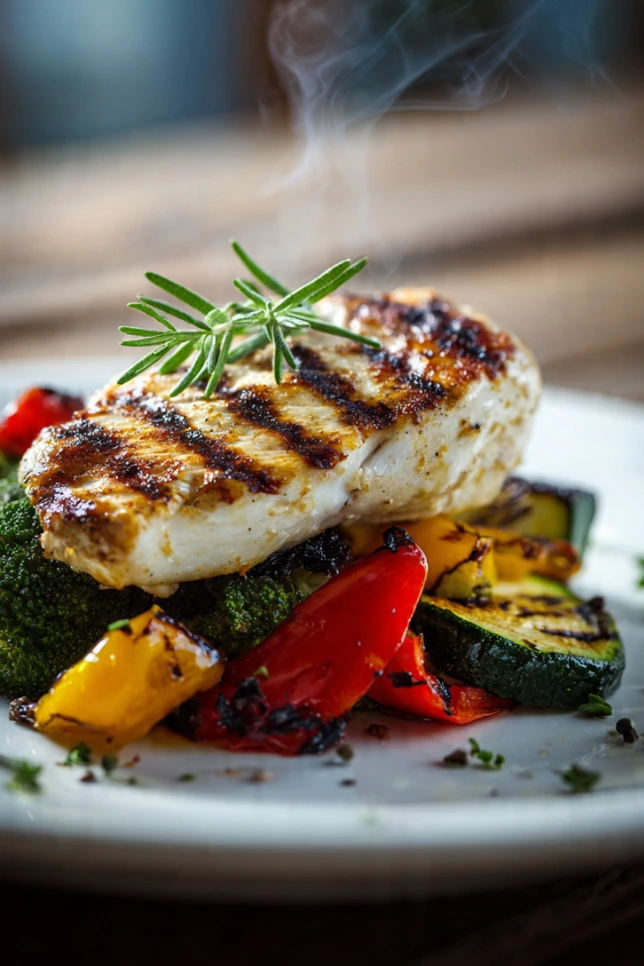
I build every meal around protein first. Chicken, fish, eggs, Greek yogurt, legumes. Then I pile on vegetables for volume. A huge bowl of roasted broccoli, zucchini, and peppers with 4 ounces of chicken looks like a feast. But it’s only around 350 calories.
My low-calorie high-protein recipes collection is packed with meals that keep you full for hours. That’s not an exaggeration. The right combination of protein and fiber literally changes how satisfied you feel.
And if you’re vegetarian or vegan? Don’t worry. I’ve got dedicated guides for low-calorie vegetarian recipes and low-calorie vegan recipes that prove plants can be just as satisfying.
Breakfast: Starting Your Day Without Starving
I’m not a morning person. Never have been. So my breakfast needs to be two things: quick and filling enough that I don’t start eyeing my coworker’s muffin by 10am.
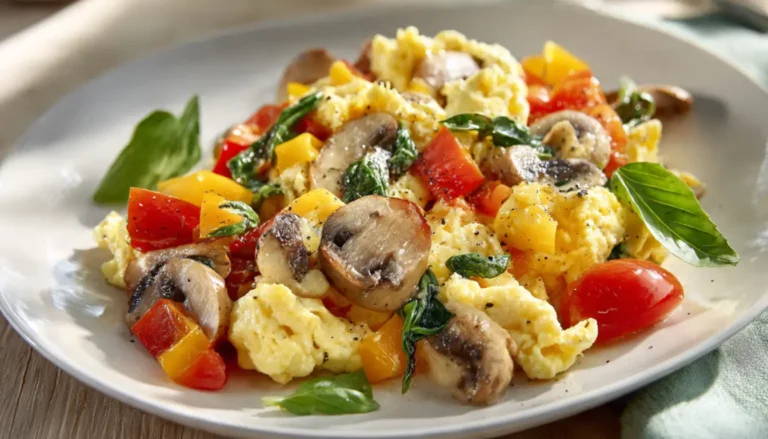
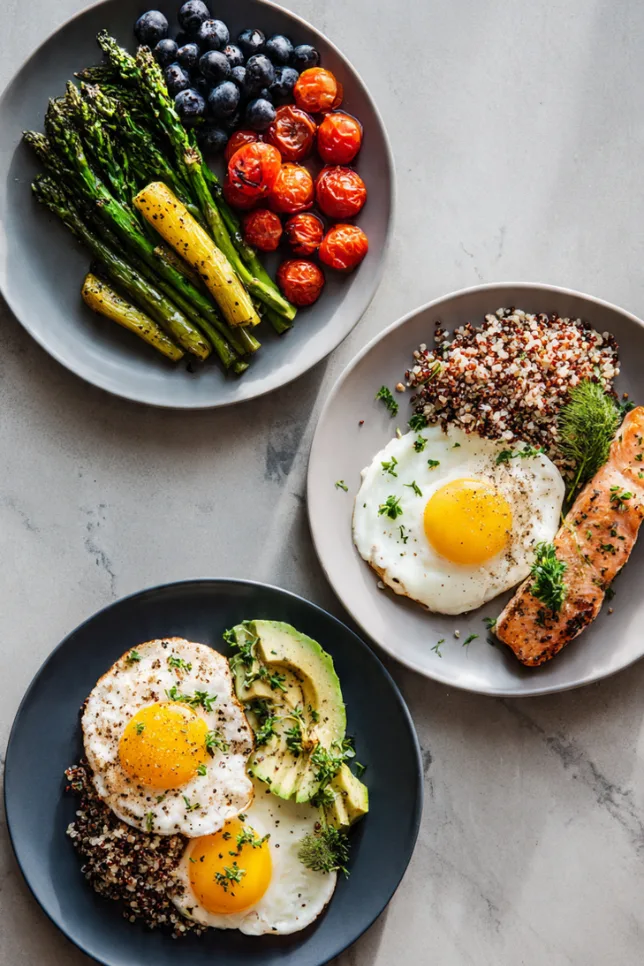
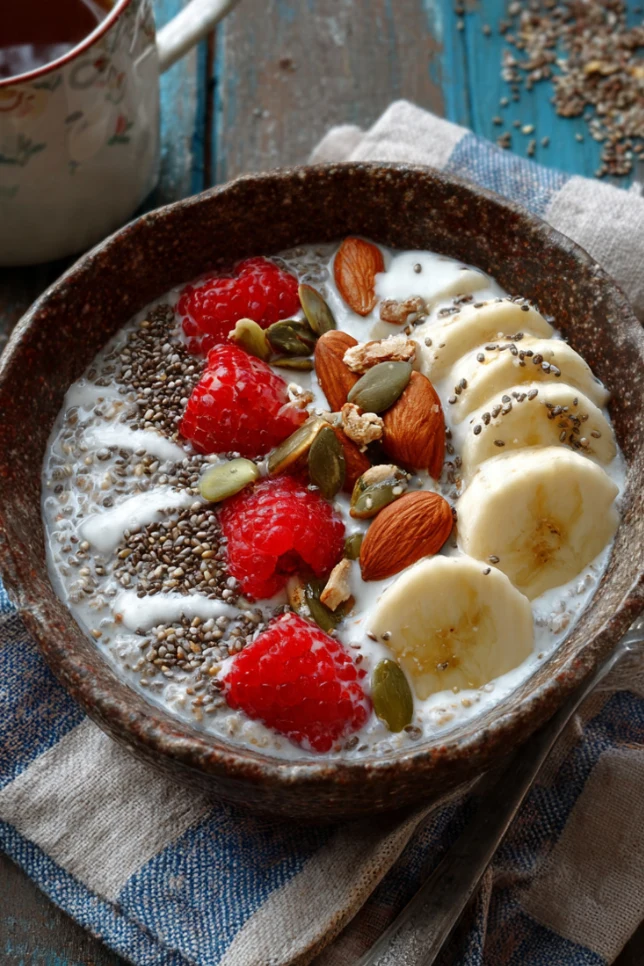
My go-to rotation includes veggie-loaded egg scrambles (about 280 calories with two eggs and a ton of spinach), Greek yogurt parfaits with berries and a sprinkle of low-sugar granola, and overnight oats that I prep on Sundays.
The overnight oats trick changed my mornings, honestly. Five minutes of prep, grab-and-go convenience, and around 300 calories depending on your toppings.
Check out my full collection of low-calorie breakfast recipes for more ideas. I’ve tested every single one on my own chaotic mornings.
Lunch: Eating Well at Your Desk (Or Wherever Life Takes You)
Can we talk about desk lunches for a second? Because this is where I used to fail spectacularly.
I’d skip packing lunch, promise myself I’d “just grab something healthy,” and end up with a 900-calorie burrito because I was too hungry to make good choices. Sound familiar?
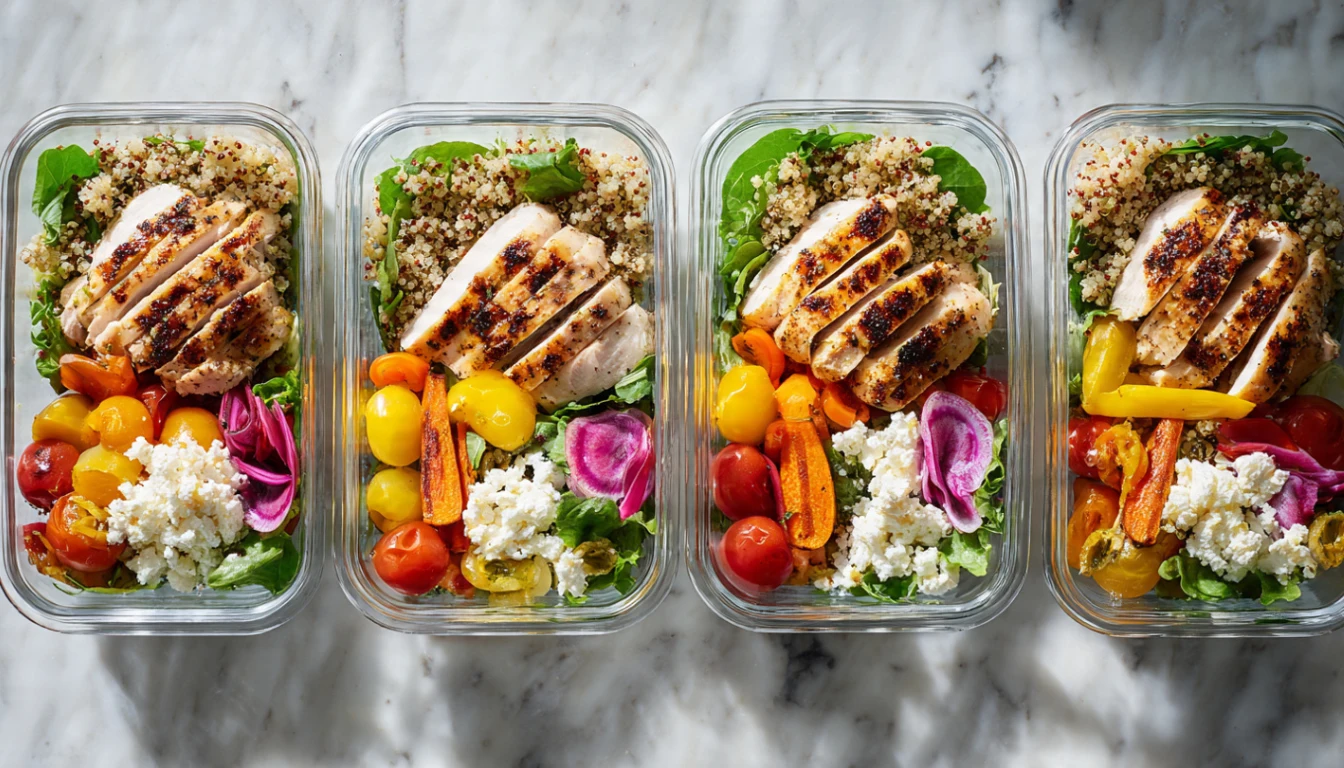
Meal prep saved my lunch game. Not the Instagram-perfect kind with 47 matching containers. Just simple stuff I could throw together on Sunday evening while watching TV.
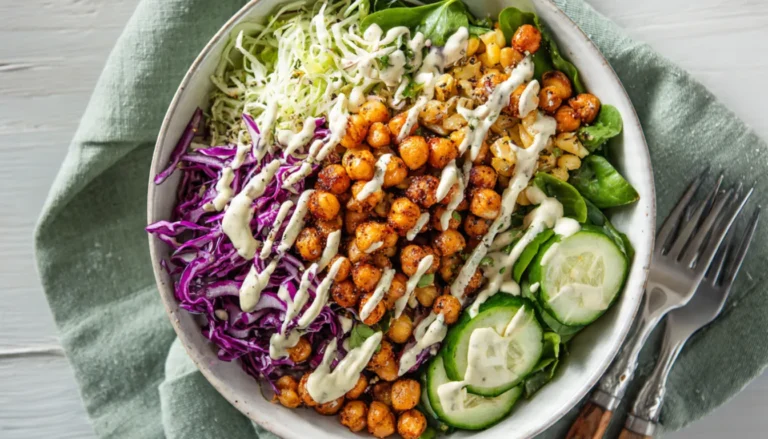
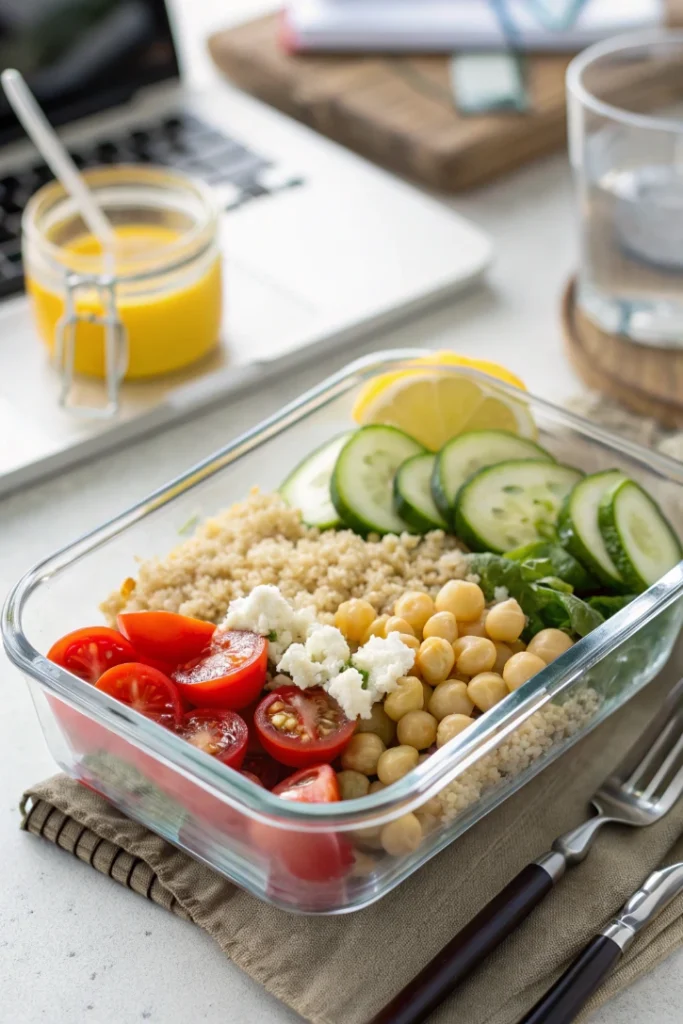
My low-calorie lunch recipes for work are designed for real life. Mason jar salads that don’t get soggy. Grain bowls that reheat well. Wraps that travel without falling apart.
The key is making lunch appealing enough that you actually want to eat it. Nobody sticks with a sad desk salad for long.
Dinner: Where Most of Us Struggle
Dinner is tricky. You’re tired. Everyone’s hungry. The temptation to order takeout or throw a frozen pizza in the oven is real.
I get it. I’ve been there more times than I can count.
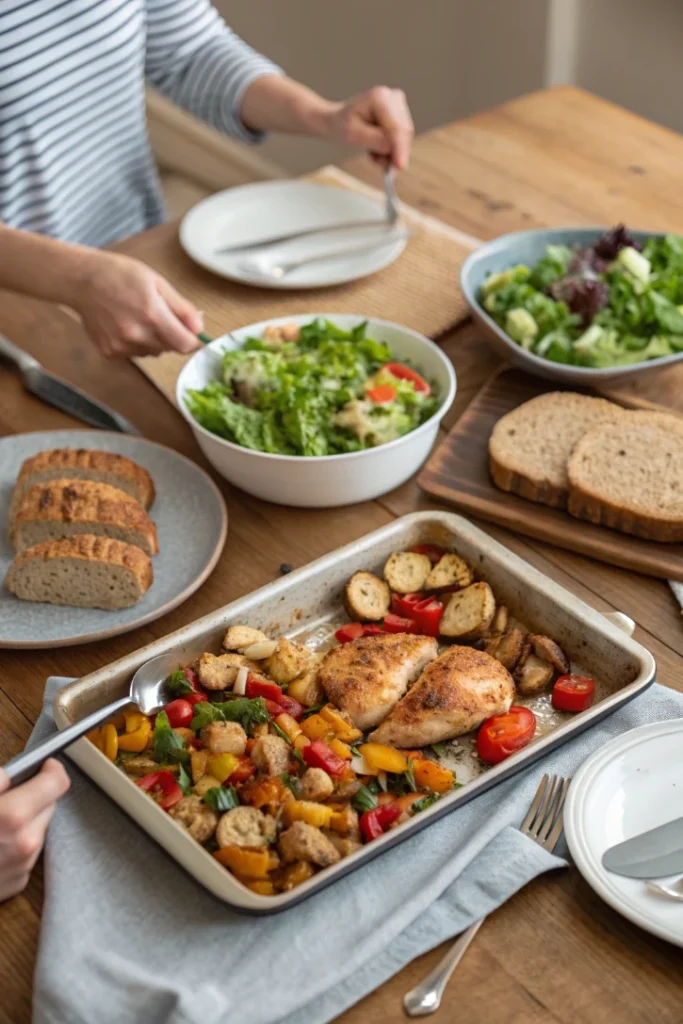
But here’s what I’ve learned: having a rotation of 10-15 reliable dinner recipes makes everything easier. Meals you can make on autopilot. Meals your family won’t complain about. Meals that clock in under 500 calories without feeling restrictive.
For busy weeknights, my quick low-calorie recipes take 30 minutes or less. Some even faster.
When you want something more satisfying, try my 400-calorie dinner recipes. They’re designed to feel like a real meal, not a diet plate.
And if you’re cooking for a family with different preferences? My family-friendly low-calorie recipes have been kid-tested in my own home. Even my picky nephew eats these.
The Snack Situation
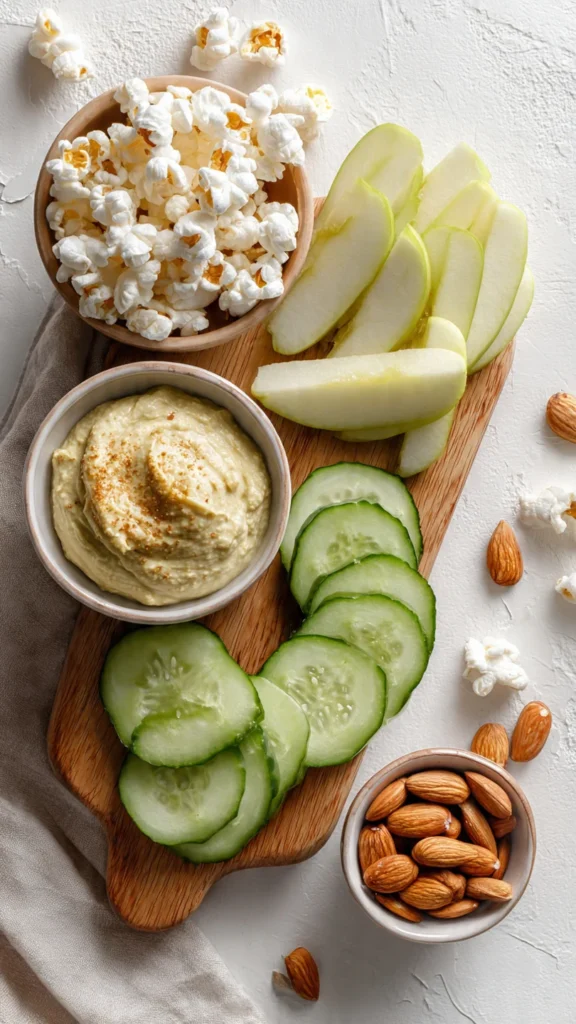
I used to think snacking was the enemy of weight loss. So I’d go hours between meals, get hangry, and then overeat at dinner. Not a great strategy, it turns out.
Now I plan for snacks. Two per day, usually around 100 calories each. It keeps my energy steady and prevents those desperate “I’ll eat anything not nailed down” moments.
My snacks under 100 calories guide has all my favorites. Air-popped popcorn with everything bagel seasoning. Cucumber slices with laughing cow cheese. Apple slices with a tiny bit of almond butter.
Small snacks, big difference.
Kitchen Tools That Actually Help
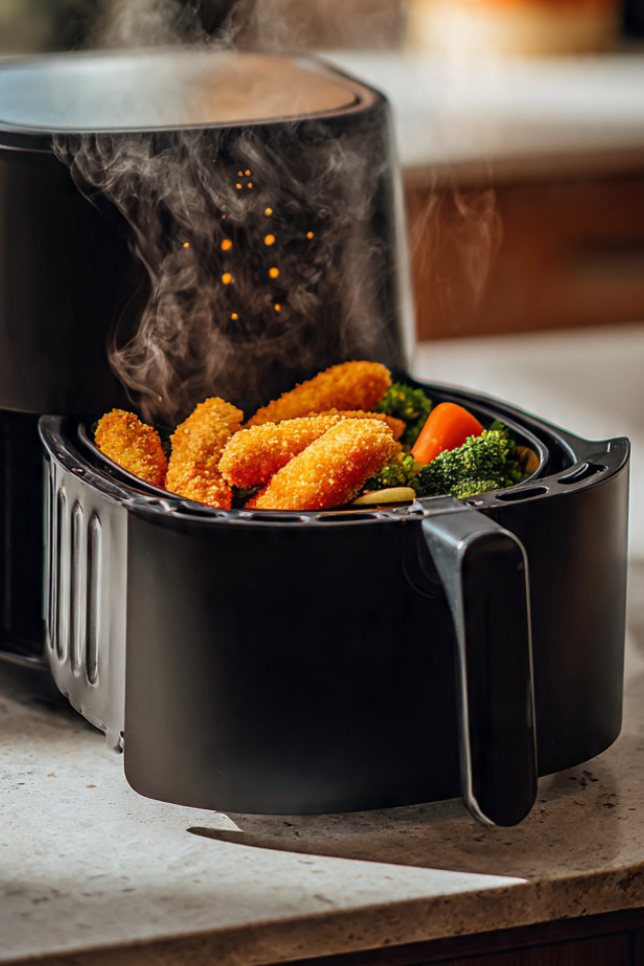
I’m not going to tell you that you need a bunch of fancy equipment. You don’t. But a few things have genuinely made low-calorie cooking easier for me.
My air fryer might be my most-used appliance. Crispy food without all the oil? Yes please. I have an entire collection of low-calorie air fryer recipes because I use this thing almost daily.
My slow cooker is a close second. Throw ingredients in before work, come home to dinner. My low-calorie slow cooker recipes are perfect for those days when you have zero energy left.
And honestly? A good food scale. I know, I know. It sounds obsessive. But eyeballing portions is how I used to accidentally eat 800 calories of “healthy” granola. The scale keeps me honest without taking over my life.
Eating for Different Dietary Needs
Not everyone’s eating the same way, and that’s okay.
If you’re managing diabetes or trying to keep blood sugar stable, many of my recipes are naturally diabetic-friendly because they’re low in refined carbs and high in fiber. My whole food low-calorie recipes skip processed ingredients entirely.
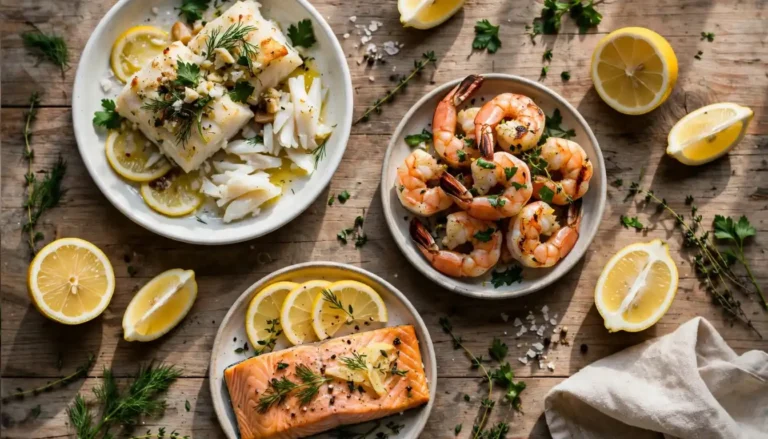
For those watching cholesterol, my low-calorie seafood recipes feature heart-healthy fish options. Salmon, cod, shrimp – all delicious, all supportive of your health goals.
And if you’re trying to hit specific macros? I include protein counts on everything because I know that matters.
Meal Planning: The Game Nobody Wants to Play (But Should)
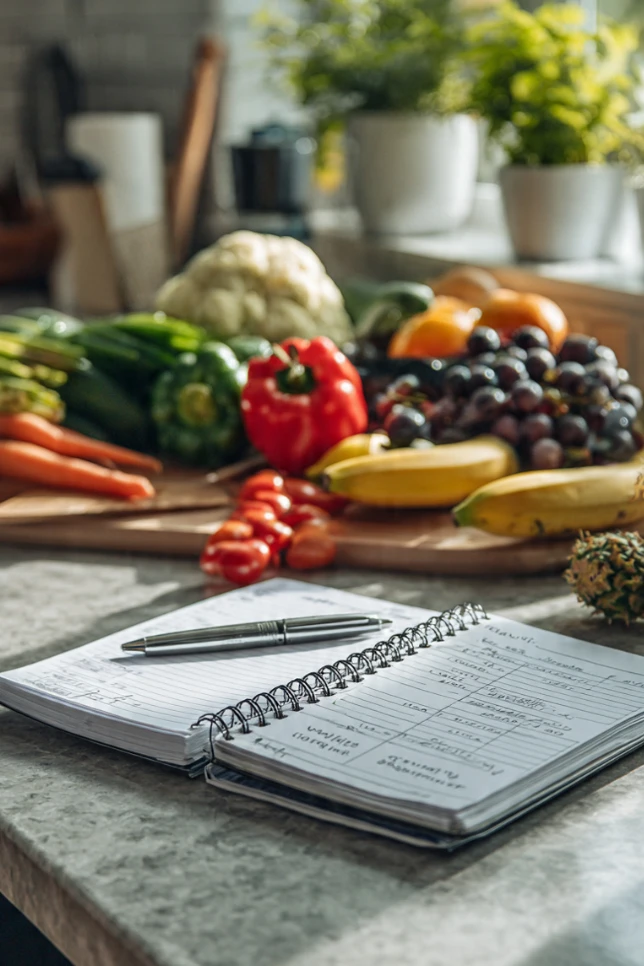
I resisted meal planning for years. It felt restrictive. Boring. Like I was taking all the spontaneity out of eating.
But then I realized: being spontaneous was costing me money (hello, takeout) and calories (hello, whatever was fastest).
Now I spend maybe 20 minutes on Sunday planning the week. Nothing fancy. Just deciding what’s for dinner each night and making sure I have ingredients.
My 7-day low-calorie meal plan gives you a complete template to start with. Adjust it to your taste. Make it your own.
For batch cooking, my low-calorie meal prep recipes are designed for efficiency. Cook once, eat multiple times.
Comfort Food That Won’t Wreck Your Progress
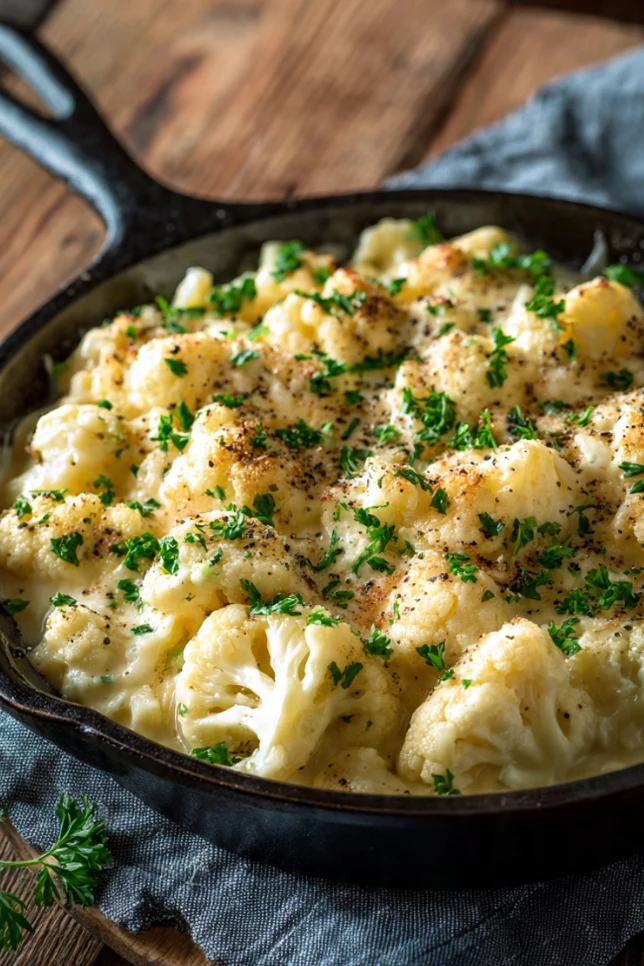
Real talk: sometimes you want mac and cheese. Or pizza. Or something that feels indulgent and cozy.
Ignoring those cravings doesn’t work. At least not for me. I just end up eating around the craving until I’ve consumed way more calories than if I’d just had the thing I wanted.
So I make lighter versions. My low-calorie comfort food recipes include everything from cauliflower mac and cheese to turkey meatloaf to chicken pot pie with a fraction of the usual calories.
They’re not identical to the originals. I won’t lie to you about that. But they’re close enough to satisfy the craving without derailing your week.
Soups and Salads: Not as Boring as You Think
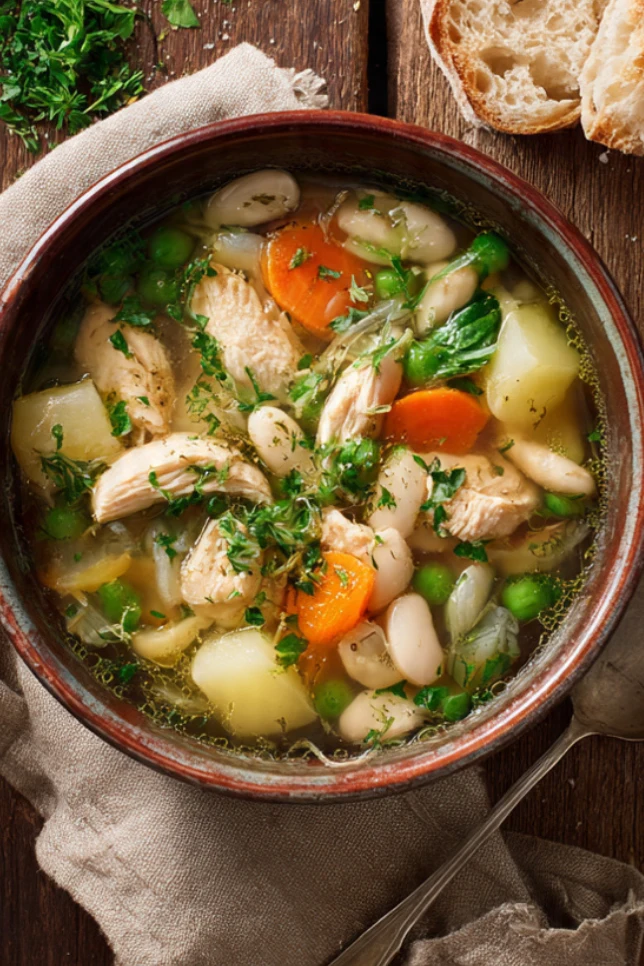
I know. Soup and salad sounds like diet food from the 1980s. But hear me out.
A big bowl of soup is one of the most filling things you can eat for the calories. The volume, the warm broth, the vegetables – it all adds up to satisfaction. My low-calorie soup recipes go way beyond sad chicken broth.
And salads? They’re only boring if you’re making them boring. With the right toppings and dressings, salads can be legitimately exciting. Check my low-calorie salad recipes for proof.
Sweet Tooth Solutions
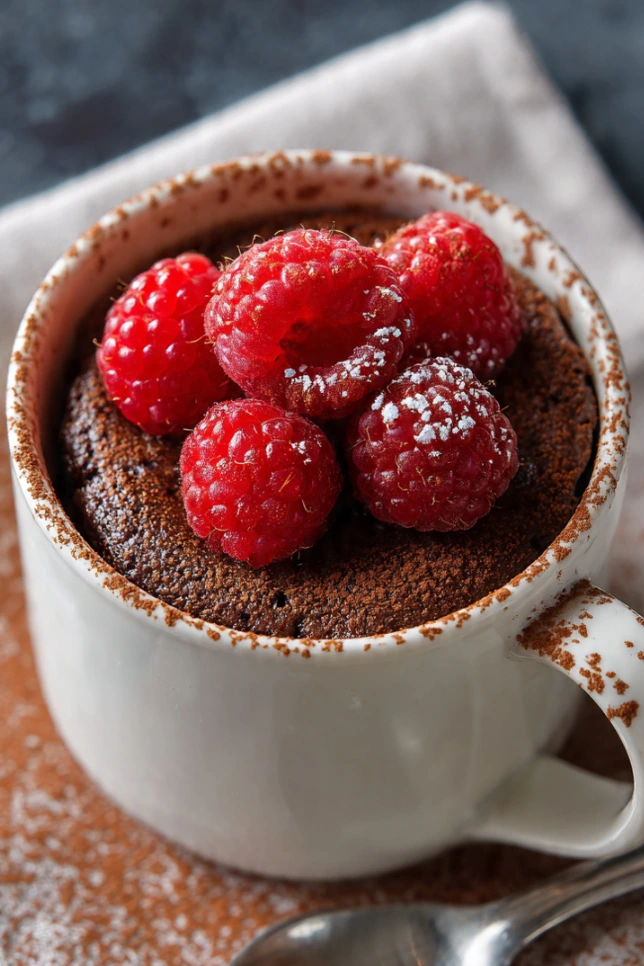
Dessert doesn’t have to disappear when you’re losing weight. You just need smarter options.
I keep my low-calorie dessert recipes in regular rotation. Chocolate mug cakes under 150 calories. Frozen yogurt bark. Baked apples with cinnamon.
And for those hot summer afternoons, my low-calorie smoothie recipes double as dessert. A chocolate peanut butter banana smoothie that tastes like a milkshake but clocks in at 200 calories? That’s the dream.
Seasonal Eating
Your calorie needs and cravings shift with the seasons. At least mine do.
In summer, I want light, fresh, no-cook-if-possible meals. My summer low-calorie recipes are built for hot days when standing over a stove sounds miserable.
In winter, I crave warmth and heartiness. My winter low-calorie recipes deliver comfort without the calorie bomb.
Eating seasonally keeps things interesting. And honestly, produce tastes better when it’s in season. That matters.
Budget-Friendly Options
Eating healthy doesn’t have to be expensive. I built my budget low-calorie recipes collection specifically for people watching their grocery bills.
Beans, lentils, eggs, frozen vegetables, chicken thighs – all affordable, all delicious, all great for weight loss. You don’t need grass-fed organic everything to eat well.
Making It Last: Freezer-Friendly Meals
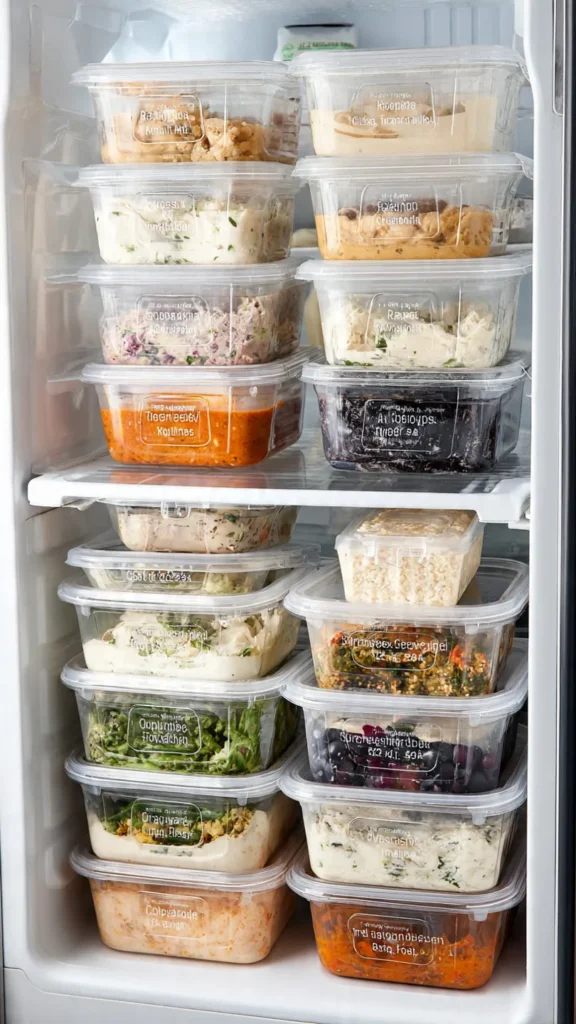
Some weeks are harder than others. Having meals in the freezer for those weeks is like having a backup plan for your backup plan.
My freezer-friendly low-calorie recipes store well and reheat without turning into mush. Soups, casseroles, portioned proteins – all ready when you need them.
Future you will thank present you. Trust me.
Pasta Alternatives Worth Trying
I love pasta. Like, probably too much. So when I needed to cut carbs, I panicked a little.
But then I discovered low-calorie pasta alternatives that actually work. Zucchini noodles, spaghetti squash, hearts of palm pasta, shirataki noodles. Not all of them are winners, honestly. But some of them genuinely satisfy that pasta craving.
I’ll tell you which ones are worth your time.
Portion Control Made Simple
Sometimes the recipe isn’t the problem. The portion is.
My portion control recipes are designed with built-in serving sizes. Individual portions, clear measurements, no guessing. It takes the mental math out of eating.
The Bottom Line
Low-calorie eating isn’t about deprivation. It’s about making smarter choices more often. Finding recipes you actually enjoy. Building habits that stick.
Will you eat pizza sometimes? I hope so. Will you have a rough week where everything falls apart? Probably. That’s normal. That’s human.
What matters is having a foundation of good recipes you can come back to. Meals that support your goals without making you miserable. Food that tastes like food, not like punishment.
I’ve put years of trial and error into these recipes. The ones that failed (so many fails) didn’t make it here. What you’re getting is the stuff that actually works. The meals my family asks for again. The breakfasts that get me through busy mornings. The dinners that taste too good to be “diet food.”
Start with one recipe. Maybe two. Don’t overhaul everything at once. Small changes compound over time.
You’ve got this. And I’m cheering for you.
FAQs
How many calories should I eat per day to lose weight?
This is so individual, and I always recommend checking with a doctor or registered dietitian for your specific number. But generally, most people see results with a moderate deficit of 300-500 calories below maintenance. For me, that landed around 1,500 calories daily when I was actively losing. Now I eat closer to 1,800-2,000 for maintenance. Honestly, starting with a calorie tracking app like MyFitnessPal for even just a week can be eye-opening.
Are low-calorie recipes good for the whole family?
Absolutely – that’s actually how I design most of mine. My husband doesn’t know half the dinners I make are “diet” food because they taste like regular meals. The trick is adding extra sides or larger portions for family members who don’t need to lose weight. My kids might get the same stir-fry I’m eating, just with more rice on the side.
What’s the difference between low-calorie and low-carb?
Great question! Low-calorie focuses on total calories regardless of where they come from. Low-carb restricts carbohydrates specifically. You can eat low-calorie and still include carbs like whole grains, fruits, and starchy vegetables. I personally find low-calorie more sustainable than low-carb because I really love bread. But some people thrive on keto or low-carb approaches. It’s about finding what works for your body and lifestyle.
Do I need special ingredients for low-calorie cooking?
Nope! Most of my recipes use regular grocery store ingredients. I do keep a few helpful things on hand – cooking spray instead of oil for sauteing, low-sodium chicken broth, Greek yogurt as a sour cream substitute – but nothing weird or hard to find. You don’t need a specialty health food store to eat well.
Will I feel hungry eating low-calorie meals?
If you’re eating the right foods, not really. The key is prioritizing protein and fiber at every meal because they keep you full longer. A 400-calorie meal of chicken and vegetables will keep you satisfied way longer than 400 calories of crackers. When I first started, I focused on volume eating – big plates of low-calorie-dense foods like vegetables – and that really helped with the transition.