Thai Crying Tiger Grilled Beef with Jaew Dipping Sauce
The first time I made Crying Tiger at home, I understood why it has that name. Not because of the legend about tigers weeping over spicy food. It’s because I nearly cried watching my family devour the whole platter in under ten minutes.
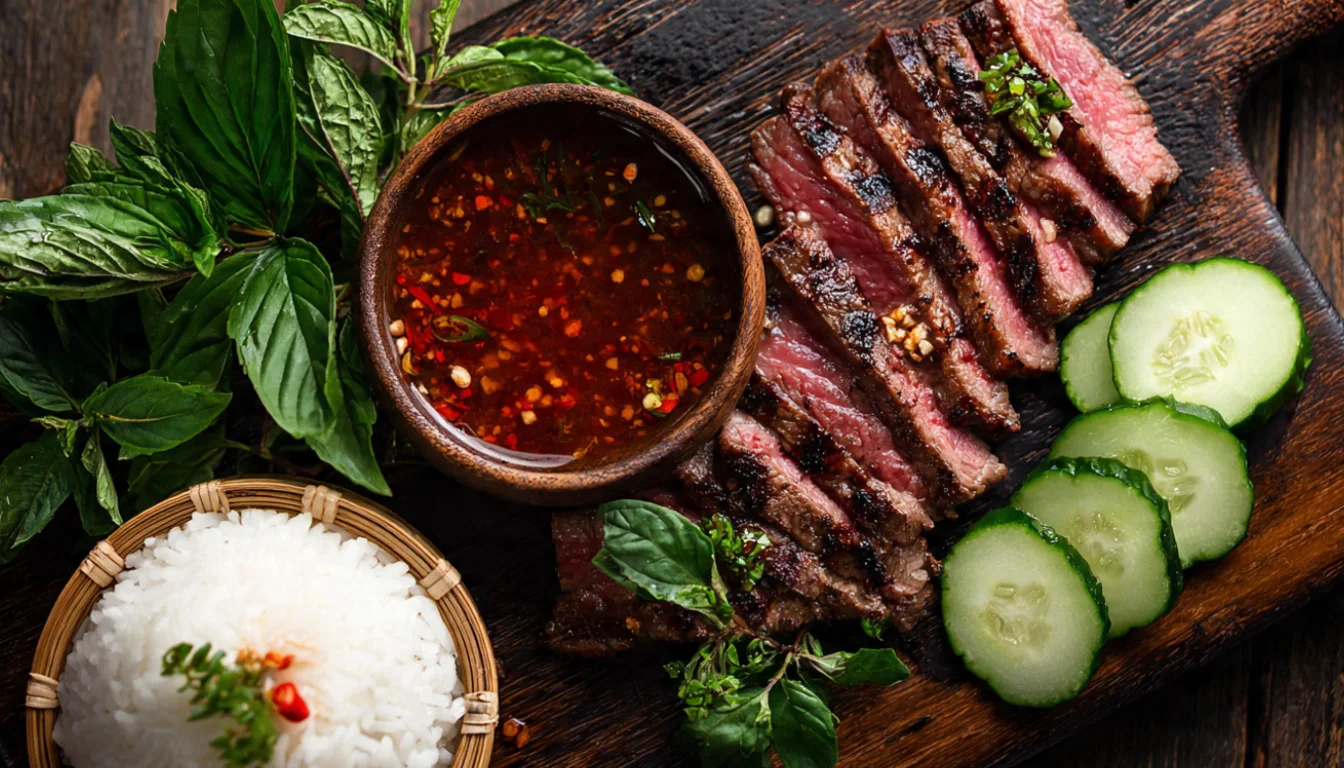
Crying Tiger, or Suea Rong Hai in Thai, is one of those street food dishes that looks deceptively simple. Grilled beef, a dipping sauce, some sticky rice. But here’s the thing: every element has to be right, or the whole dish falls flat. I learned this the hard way when I overcooked my first attempt and ended up with beef jerky instead of tender, smoky slices.
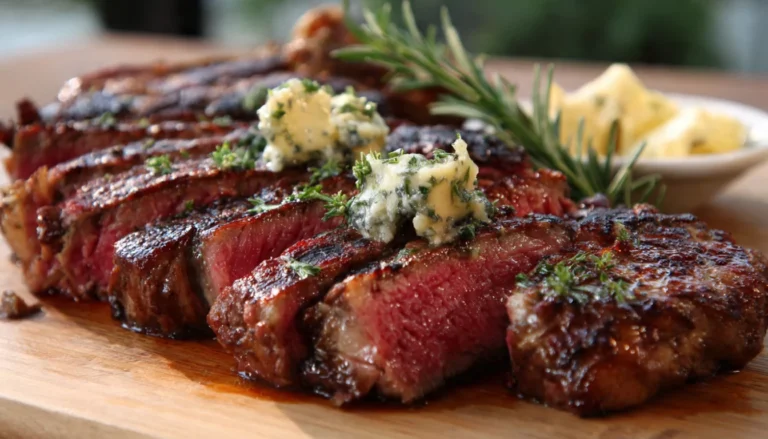
This dish comes from Isaan, the northeastern region of Thailand known for bold, punchy flavors. The beef gets a quick char over high heat, sliced thin, and served with a sauce that hits every taste bud at once. Sour from lime, salty from fish sauce, spicy from dried chilies, and a slight sweetness to balance everything out.
What Crying Tiger Is Used For
Crying Tiger works as a main dish with jasmine rice or sticky rice, but honestly, it’s perfect for so many situations. I’ve served it at barbecues where it disappeared faster than the burgers. It works great as part of a larger Thai spread alongside som tam (papaya salad) and larb. You can also slice it thinner and use it as an appetizer with the dipping sauce on the side.
The beauty of this dish is that it’s impressive enough for guests but simple enough for a Tuesday night dinner. The prep takes maybe 15 minutes, and cooking is under 10. Most of the time goes into letting the meat rest and making the sauce.
How to Store Crying Tiger
The grilled beef keeps well in the fridge for 3-4 days in an airtight container. I’d actually recommend keeping the beef and sauce separate until you’re ready to eat. The sauce stays fresh for about a week refrigerated.
For reheating, don’t microwave it if you can help it. A quick sear in a hot cast iron skillet or a few minutes under the broiler brings back that charred exterior without overcooking the inside. If you’re meal prepping, you can marinate the beef up to 24 hours ahead. Just don’t slice it until you’re ready to serve.
One thing I’ve learned: the sauce tastes even better the next day after the flavors have had time to meld together. So making extra sauce is never a bad idea.
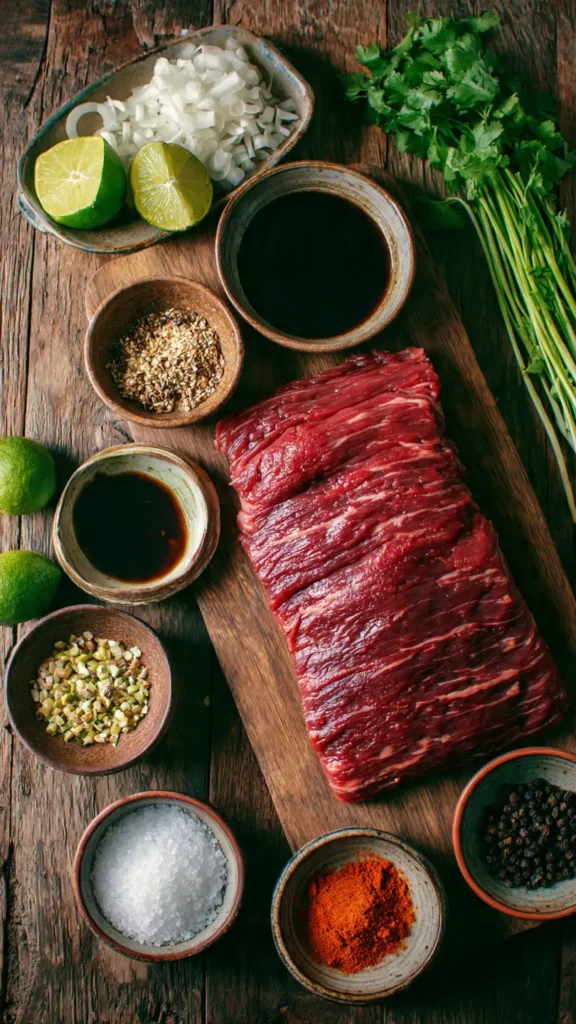
Ingredients
For the beef:
- 500g flank steak or skirt steak (about 1 lb)
- 2 tablespoons oyster sauce
- 1 tablespoon soy sauce
- 1 tablespoon vegetable oil
- 4 cloves garlic, minced
- 1 teaspoon white pepper
- 1 teaspoon sugar
For the Jaew dipping sauce:
- 3 tablespoons fish sauce
- 3 tablespoons fresh lime juice (about 2 limes)
- 1 tablespoon toasted rice powder
- 1-2 teaspoons dried chili flakes (adjust to taste)
- 2 shallots, thinly sliced
- 2 tablespoons chopped cilantro
- 1 teaspoon sugar
- 1 tablespoon water
To serve:
- Steamed jasmine rice or sticky rice
- Fresh vegetables (cucumber slices, cabbage wedges, Thai basil)
Instructions
- Mix the oyster sauce, soy sauce, oil, garlic, white pepper, and sugar in a bowl. Coat the steak thoroughly and let it marinate for at least 30 minutes. An hour is better if you have the time.
- While the beef marinates, make the Jaew sauce. Combine fish sauce, lime juice, water, and sugar in a small bowl. Stir until the sugar dissolves. Add the toasted rice powder, chili flakes, shallots, and cilantro. Set aside.
- Heat your grill or a cast iron skillet to high heat. You want it smoking hot. If using a pan, make sure your kitchen ventilation is good because this will get smoky.
- Grill the steak for 3-4 minutes per side for medium-rare. The exact time depends on thickness, but you’re looking for a nice char on the outside while keeping the inside pink. Don’t press down on the meat or you’ll lose all those juices.
- Let the steak rest for at least 5 minutes. This is crucial. Cutting too early means all that flavor ends up on the cutting board instead of in your mouth.
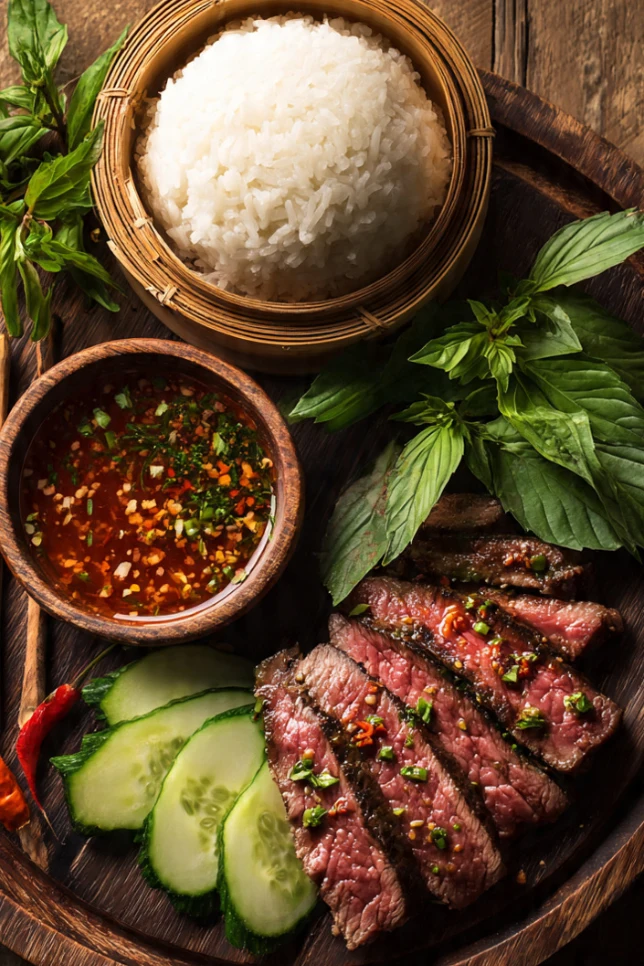
- Slice the beef against the grain into thin strips, about 1/4 inch thick. Arrange on a plate and serve with the dipping sauce and fresh vegetables.
Notes
The toasted rice powder (khao khua) makes a real difference in the sauce. You can buy it at Asian grocery stores or make your own by toasting uncooked sticky rice in a dry pan until golden, then grinding it in a spice grinder. It adds a nutty, slightly smoky flavor that ties everything together.
For the beef, flank steak is traditional and works great, but skirt steak has more fat marbling and stays juicier. Ribeye works too if you want something more tender, though it’s less authentic. Whatever cut you use, let it come to room temperature before grilling for more even cooking.
FAQs
Why is it called Crying Tiger? There are a few stories. Some say the beef is so spicy it would make a tiger cry. Others claim the beef is so tender it would make a tiger weep with joy. The most practical explanation is that the sizzling sound on the grill sounds like crying. Take your pick.
Can I use a regular pan instead of a grill? Yes, a cast iron skillet works perfectly. Get it ripping hot before adding the beef. You might want to open some windows because it will smoke.
How spicy is the sauce? That’s totally up to you. Start with 1 teaspoon of chili flakes and add more after tasting. Traditional versions are pretty fiery, but you control the heat.
What if I don’t have toasted rice powder? You can skip it, but the sauce won’t have that authentic texture and nuttiness. Making your own takes about 5 minutes and is worth the effort.
Can I make this with chicken? Technically yes, but it becomes a different dish called Gai Yang. Beef is traditional for Crying Tiger, and the char and fat from the beef really make the dish work.
Thai Crying Tiger
Smoky grilled beef with spicy Jaew dipping sauce, an Isaan street food classic
Ingredients
For the Beef
- 500g flank steak or skirt steak
- 2 tbsp oyster sauce
- 1 tbsp soy sauce
- 1 tbsp vegetable oil
- 4 cloves garlic, minced
- 1 tsp white pepper
- 1 tsp sugar
For the Jaew Sauce
- 3 tbsp fish sauce
- 3 tbsp fresh lime juice
- 1 tbsp toasted rice powder
- 1-2 tsp dried chili flakes
- 2 shallots, thinly sliced
- 2 tbsp chopped cilantro
- 1 tsp sugar
- 1 tbsp water
Instructions
- Marinate the beef Mix oyster sauce, soy sauce, oil, garlic, white pepper, and sugar in a bowl. Coat the steak thoroughly and marinate for at least 30 minutes, up to 1 hour.
- Make the Jaew sauce Combine fish sauce, lime juice, water, and sugar. Stir until sugar dissolves. Add toasted rice powder, chili flakes, sliced shallots, and cilantro. Set aside.
- Heat the grill Heat your grill or cast iron skillet to high heat until smoking hot. Make sure you have good ventilation.
- Grill the steak Grill for 3-4 minutes per side for medium-rare. Look for a nice char outside while keeping the inside pink. Don’t press down on the meat.
- Rest the meat Let the steak rest for at least 5 minutes before slicing. This keeps all the juices in the meat instead of on your cutting board.
- Slice and serve Slice against the grain into thin strips, about 1/4 inch thick. Arrange on a plate and serve with dipping sauce and fresh vegetables.
Notes
Make your own toasted rice powder by dry-toasting uncooked sticky rice until golden, then grinding in a spice grinder. Flank steak is traditional, but skirt steak has more marbling and stays juicier. Let the beef come to room temperature before grilling for even cooking. The sauce tastes even better the next day after flavors meld together.