3 Low-Calorie Vegetarian Recipes
Last year I cleaned up my eating after a routine checkup showed my cholesterol creeping up. I didn’t want extreme dieting. I wanted smart, low-calorie vegetarian recipes that support weight loss, heart health, and better energy without feeling restrictive.
What I learned fast is this: plant-based meals can either help your metabolism or quietly overload you with calories from oils, cheese, and refined carbs. The difference comes down to structure. These low-calorie vegetarian recipes are designed for weight management, calorie control, and sustainable healthy eating.
If you’re searching for high-protein vegetarian meals for weight loss, low-calorie meal prep ideas, or heart-healthy plant-based recipes, this guide keeps things practical and realistic.
Why Low-Calorie Vegetarian Recipes Work for Weight Loss and Heart Health
Low-calorie vegetarian recipes support:
- Sustainable weight loss
- Cholesterol reduction
- Blood pressure management
- Blood sugar stability
- High-fiber nutrition
Plant-based meals naturally contain fiber, antioxidants, and complex carbohydrates. When portions are controlled and healthy fats are measured, you get meals that are both calorie-efficient and filling.
The goal is simple: high-volume foods with moderate calories.
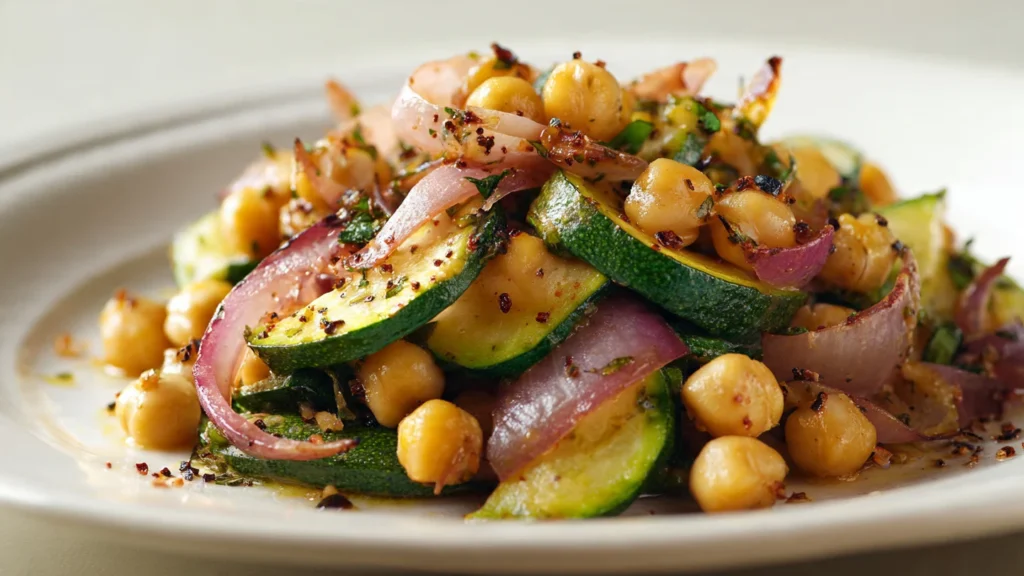
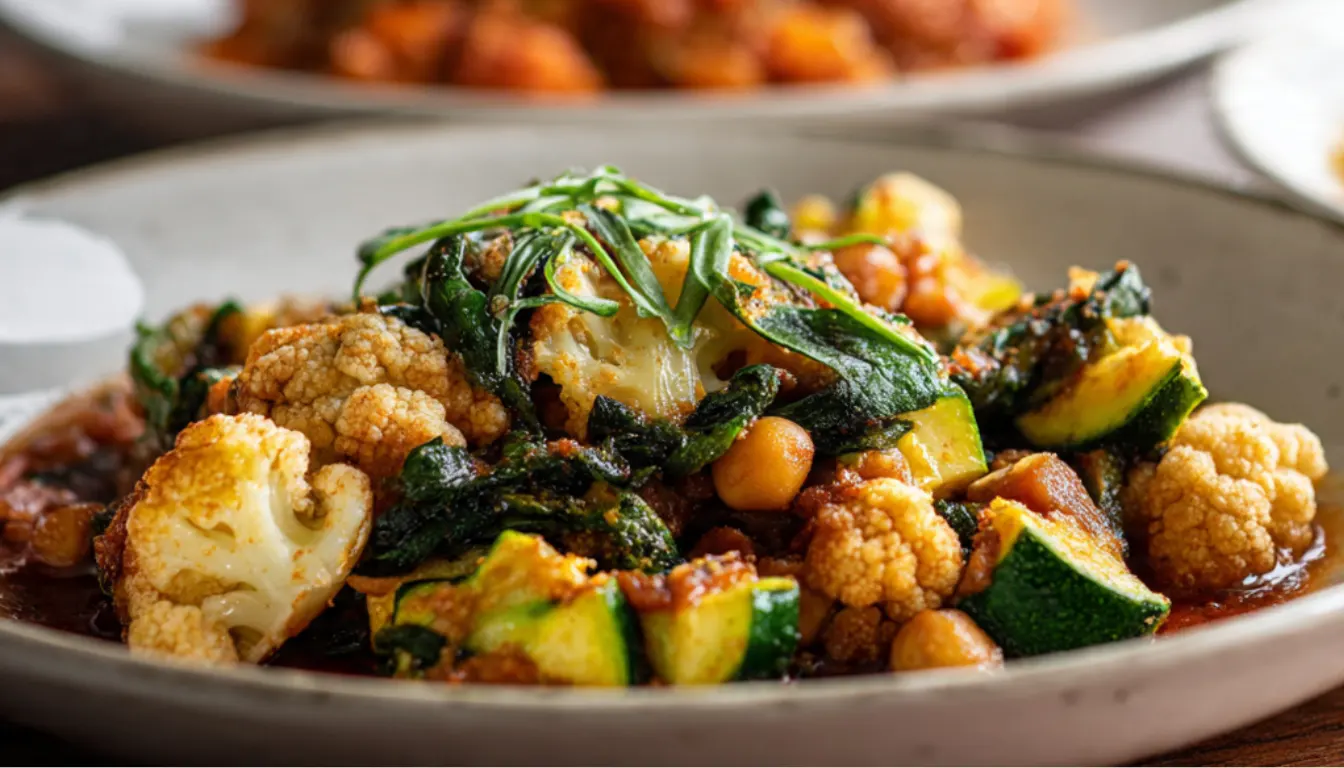
1. High-Protein Zucchini and Chickpea Skillet
This is one of my favorite low-calorie vegetarian recipes for weight loss because it’s simple, high in fiber, and naturally gluten-free.
Each serving stays around 320–350 calories while delivering plant-based protein and slow-digesting carbs.
What It’s Used For
- Healthy weeknight dinners
- Vegetarian meal prep for fat loss
- Clean eating reset meals
How to Store It
Refrigerate in an airtight container for up to 4 days. Reheat in a skillet to maintain texture.
Ingredients
• 2 medium zucchini, chopped
• 1 can low-sodium chickpeas, drained and rinsed
• 1 small red onion, sliced
• 2 cloves garlic, minced
• 1 tablespoon extra virgin olive oil
• 1 teaspoon smoked paprika
• ½ teaspoon cumin
• Salt and black pepper
• Juice of half a lemon
Instructions
- Heat olive oil in a large skillet over medium heat.
- Add onion and cook 3 minutes until softened.
- Stir in garlic and spices. Cook 30 seconds.
- Add zucchini and cook 6 minutes until tender but not mushy.
- Stir in chickpeas and cook another 3 minutes.
- Finish with lemon juice before serving.
Practical Note
Measure your olive oil. One extra tablespoon adds 120 hidden calories. Small details matter in calorie-controlled vegetarian diets.
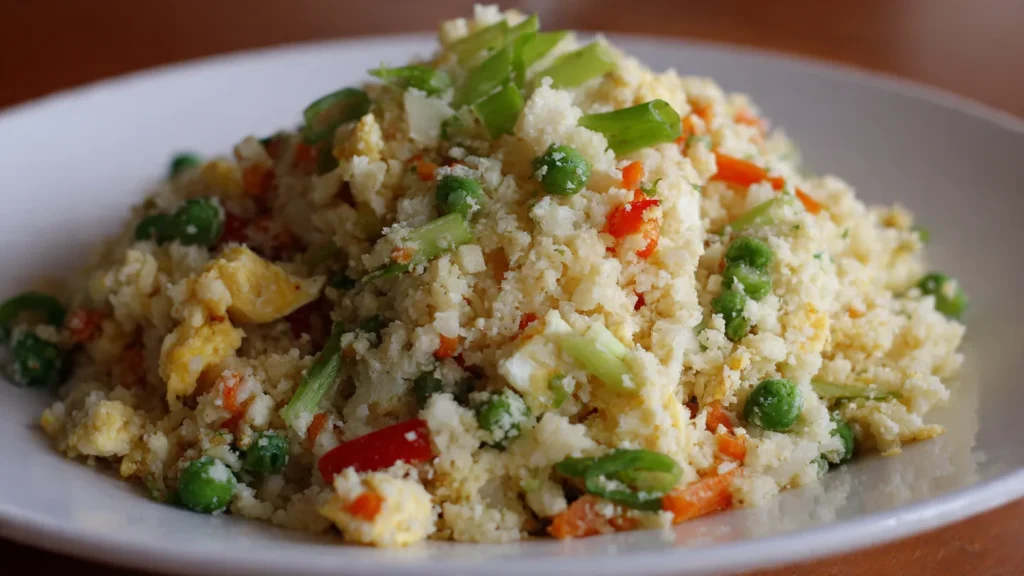
2. Low-Carb Cauliflower Fried Rice
When people search for low-calorie vegetarian recipes for belly fat loss, this is exactly the kind of meal they need. It replaces white rice with cauliflower while keeping the texture satisfying.
This dish averages 220–280 calories per serving and is perfect for low-carb vegetarian meal plans.
What It’s Used For
- Low-carb dinner alternative
- Weight loss meal prep
- Diabetic-friendly vegetarian option
How to Store It
Store up to 3 days in the fridge. Reheat in a hot skillet to remove excess moisture.
Ingredients
• 4 cups cauliflower rice
• 1 cup mixed vegetables
• 2 eggs, lightly beaten
• 2 green onions, sliced
• 2 teaspoons sesame oil
• 2 tablespoons low-sodium soy sauce
• 1 teaspoon fresh grated ginger
• 1 clove garlic, minced
Instructions
- Heat sesame oil in a large pan over medium-high heat.
- Add garlic and ginger. Cook briefly.
- Add vegetables and cook 3 to 4 minutes.
- Push vegetables aside and scramble the eggs.
- Stir in cauliflower rice and soy sauce.
- Cook 5 minutes until heated through but not soggy.
- Top with green onions.
Practical Note
High heat prevents watery cauliflower. Moisture control keeps the calories low and the texture right.
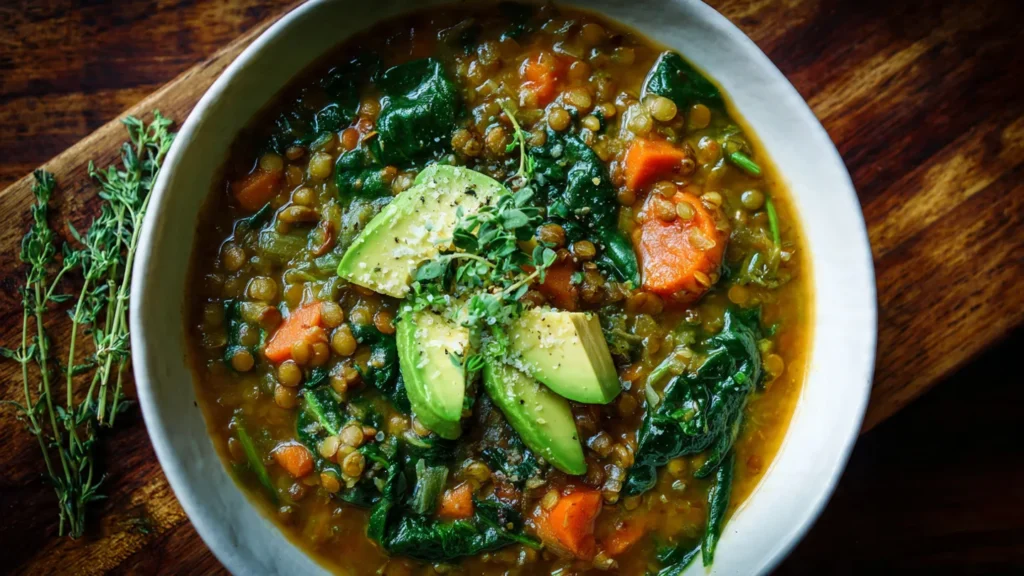
3. Lentil and Spinach Fat-Burning Soup
This is one of the best high-fiber vegetarian soups for weight loss. It’s inexpensive, nutrient-dense, and extremely filling for around 280–320 calories per bowl.
It also works well for cholesterol-lowering meal plans and plant-based detox weeks.
What It’s Used For
- Batch cooking for healthy meal prep
- Anti-inflammatory eating plans
- Budget-friendly clean eating
How to Store It
Refrigerate up to 5 days. Freeze up to 2 months in portioned containers.
Ingredients
• 1 cup dry lentils, rinsed
• 1 small onion, diced
• 2 carrots, chopped
• 2 celery stalks, chopped
• 2 cloves garlic, minced
• 1 tablespoon olive oil
• 4 cups low-sodium vegetable broth
• 2 cups fresh spinach
• 1 teaspoon cumin
• Salt and black pepper
Instructions
- Heat olive oil in a large pot.
- Add onion, carrots, and celery. Cook 5 minutes.
- Stir in garlic and cumin.
- Add lentils and broth. Bring to a boil.
- Reduce heat and simmer 25 to 30 minutes.
- Stir in spinach and cook until wilted.
- Season and serve.
Practical Note
If you want to increase protein without increasing calories too much, add extra spinach instead of more lentils.
How to Keep Vegetarian Recipes Truly Low-Calorie
A lot of vegetarian meals fail because they rely heavily on:
- Excess cheese
- Too much oil
- Refined grains
- Sugary sauces
To keep vegetarian recipes aligned with weight loss goals:
- Measure cooking oils carefully
- Choose legumes for lean plant protein
- Focus on high-volume vegetables
- Limit calorie-dense toppings
- Track portion sizes when needed
Low-calorie vegetarian recipes should feel balanced, not restrictive. The goal is calorie awareness, not starvation.
Who Benefits Most from These Recipes
These meals are ideal for:
- People following a plant-based diet for weight loss
- Anyone needing low-calorie dinner ideas
- Individuals managing high cholesterol naturally
- Those searching for healthy vegetarian meal prep
They also fit into Mediterranean-style eating patterns and clean eating programs.
Final Thoughts
Low-calorie vegetarian recipes are not about eliminating flavor. They are about smart food structure.
When you combine fiber-rich vegetables, moderate healthy fats, and plant-based protein, you get meals that support weight loss, improve heart health, and stabilize blood sugar without complicated rules.
Eat whole foods. Measure your oils. Build your plate around vegetables first.
That’s it.