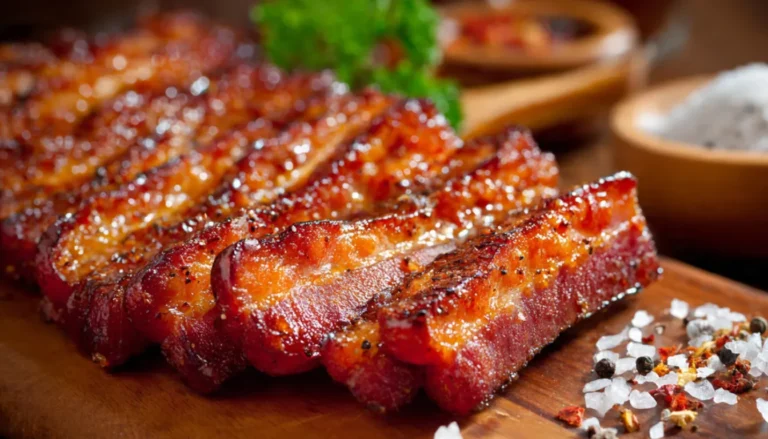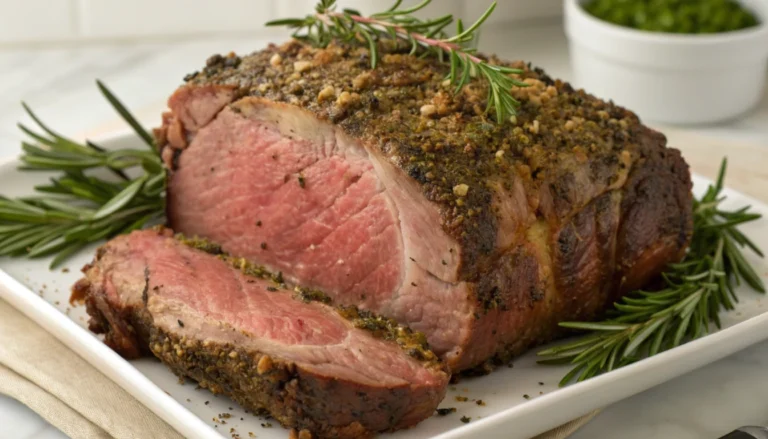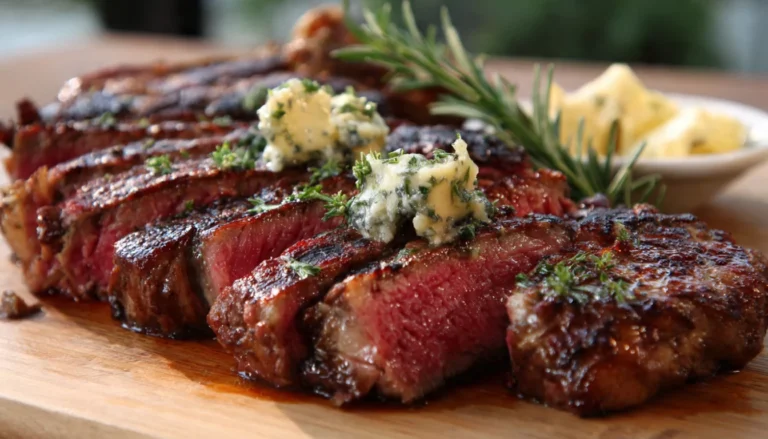
High-quality fresh beef meat cuts displayed on a wooden board showing sirloin, ribeye, and ground beef for nutritional education

Beef Meat: Nutritional Value, Health Benefits, Best Cuts, and Smart Consumption Tips

Sharing is caring!

Beef meat has been part of human diets for thousands of years, yet it remains one of the most debated foods in modern nutrition. Some people praise it as a powerhouse of protein and iron, while others question its role in a healthy lifestyle. After ten years working closely with ingredients, nutrition-focused cooking, and real home kitchens, I can say this clearly: beef is neither a villain nor a miracle food. It is a tool. How you choose it, cook it, and consume it makes all the difference.

This informative guide breaks down everything you need to know about beef meat, from its nutritional profile to health benefits, common myths, best cuts, and how to enjoy it responsibly.

What Is Beef Meat?

Beef meat comes from cattle and is classified as red meat due to its high myoglobin content, which gives it a deep red color. It is consumed worldwide in many forms, including steaks, roasts, ground beef, and slow-cooked dishes.

Beef is valued not only for its flavor and texture but also for its dense nutritional composition. Unlike many foods, beef provides multiple essential nutrients in highly absorbable forms.

Nutritional Profile of Beef Meat

Beef is one of the most nutrient-dense animal proteins available. It delivers a wide range of essential nutrients that support muscle health, energy levels, and overall body function.

Key nutrients found in beef include:

High-quality complete protein
Heme iron, which is easily absorbed by the body
Vitamin B12, essential for nerve and brain health
Zinc, crucial for immune function
Selenium, a powerful antioxidant
Niacin and vitamin B6 for metabolism

Lean beef cuts can provide these nutrients with relatively moderate calorie content, making them suitable even for health-conscious diets when eaten in appropriate portions.

Health Benefits of Beef Meat

Supports Muscle Growth and Strength

Beef contains complete protein, meaning it includes all essential amino acids needed for muscle repair and growth. This makes it especially beneficial for athletes, active individuals, and older adults trying to preserve muscle mass.

Helps Prevent Iron Deficiency

Iron deficiency is one of the most common nutritional deficiencies worldwide. Beef contains heme iron, which the body absorbs far more efficiently than plant-based iron sources.

This makes beef particularly valuable for:

Women
Teenagers
People with anemia
Those with higher physical demands

Boosts Energy and Brain Function

Vitamin B12 is naturally present in beef and is essential for red blood cell production and nervous system health. Low B12 levels are linked to fatigue, brain fog, and weakness.

Supports Immune Health

Zinc found in beef plays a key role in immune response, wound healing, and hormone production. Just one serving of beef can provide a significant portion of daily zinc needs.

Lean vs Fatty Cuts of Beef

Not all beef is nutritionally equal. The cut you choose matters.

Lean Beef Cuts

Sirloin
Tenderloin
Eye of round
Top round
Lean ground beef (90 percent lean or higher)

These cuts provide protein with lower saturated fat content and are ideal for balanced diets.

Higher-Fat Beef Cuts

Ribeye
Brisket
Short ribs
Chuck
Regular ground beef

These cuts are richer in flavor but higher in calories and saturated fat. They are best enjoyed occasionally or in smaller portions.

Is Beef Meat Healthy or Unhealthy?

This is where context matters.

Beef can be very healthy when:

Consumed in moderation
Chosen as lean cuts
Prepared with healthy cooking methods
Paired with vegetables and whole foods

Beef may become problematic when:

Eaten in excess
Highly processed (sausages, cured meats)
Cooked at very high temperatures repeatedly
Combined with refined carbs and poor dietary habits

In nutrition, quantity and quality always matter more than fear-based labels.

Grass-Fed vs Grain-Fed Beef

Grass-Fed Beef

Higher in omega-3 fatty acids
Contains more antioxidants
Often leaner
Usually more expensive

Grain-Fed Beef

More marbling and tenderness
Milder flavor
More widely available

Both can be part of a healthy diet. Grass-fed beef has a slight nutritional edge, but the difference is not dramatic if overall diet quality is good.

Best Cooking Methods for Healthy Beef Consumption

How you cook beef influences its health impact.

Healthier cooking methods include:

Grilling at moderate heat
Baking or roasting
Slow cooking
Pan-searing with minimal oil

Avoid charring beef heavily, as excessive burning can create harmful compounds. Letting meat rest after cooking also improves texture and nutrient retention.

Portion Size Matters

A healthy portion of beef is typically:

85 to 120 grams cooked
About the size of your palm

Eating beef two to three times per week fits well into most balanced diets, especially when paired with vegetables, legumes, and whole grains.

Common Myths About Beef Meat

Myth: Beef Always Causes Heart Disease

Reality: Lean beef in moderate portions does not automatically increase heart disease risk.

Myth: Red Meat Has No Place in Healthy Diets

Reality: Beef provides nutrients that are difficult to obtain elsewhere, especially vitamin B12 and heme iron.

Myth: All Beef Is the Same

Reality: Cut, source, preparation, and portion size make a huge difference.

Who Should Be Careful With Beef Consumption?

Some individuals may need moderation or medical guidance:

People with high cholesterol
Those with gout
Individuals with kidney disease
People advised to reduce saturated fat

This does not mean elimination, but informed choices.

Frequently Asked Questions

Is beef meat good for weight loss?
Yes, lean beef can support weight loss due to its high protein content, which promotes fullness and preserves muscle mass.

How often should I eat beef?
Two to three times per week is reasonable for most people.

Is ground beef healthy?
Lean ground beef can be healthy when chosen carefully and cooked properly.

Is beef better than chicken?
Both are excellent protein sources. Beef offers more iron and B12, while chicken is lower in fat.

Conclusion

Beef meat is a powerful, nutrient-rich food that deserves a balanced perspective. It is neither something to fear nor something to overconsume. When chosen wisely, prepared thoughtfully, and eaten in moderation, beef can absolutely be part of a healthy, nutritious lifestyle.

After a decade in professional kitchens and real homes, one truth stands firm: health is built on informed choices, not food elimination. Beef earns its place at the table when respect, balance, and quality guide the decision.

Similar Posts