No-Microwave Office Lunch Ideas That Actually Taste Good Cold
You know that sinking feeling when you walk into your new office on day one and realize there’s no microwave in the break room? Yeah, I’ve been there. Three years ago, I started working at a design studio in an old converted warehouse, and the “kitchen” was basically a mini-fridge and a sink. I spent the first two weeks eating sad, soggy sandwiches and expensive takeout salads before I finally figured out that cold lunches don’t have to be boring.
Here’s the thing: most office lunch advice assumes you have access to a microwave. But tons of workplaces don’t have them, whether it’s older buildings, co-working spaces, or offices that just never bothered installing one. And honestly? Once I got the hang of making genuinely delicious cold lunches, I stopped missing the microwave line altogether.
Why Cold Lunches Are Actually Kind of Genius
Before we dive into specific ideas, let me tell you why I’ve become a cold lunch convert. First, you never have to wait in line while your coworker heats up their fish curry for five minutes (we’ve all been there). Second, you can eat whenever you want without being tied to the kitchen. And third, and this surprised me, planning cold lunches actually made me a better cook because I had to think differently about flavors and textures.
The secret is understanding that some foods genuinely taste better at room temperature or cold. I’m not talking about eating leftover pizza straight from the fridge (though no judgment if that’s your thing). I mean dishes that are specifically designed to be enjoyed cold, where the flavors have time to meld and develop.
My Go-To Formula for Cold Lunches That Don’t Suck
After a lot of trial and error, I’ve developed a pretty reliable formula. You need three things: something substantial for the base, something with big flavor that doesn’t rely on heat, and something with interesting texture. Mix those together, and you’re golden.
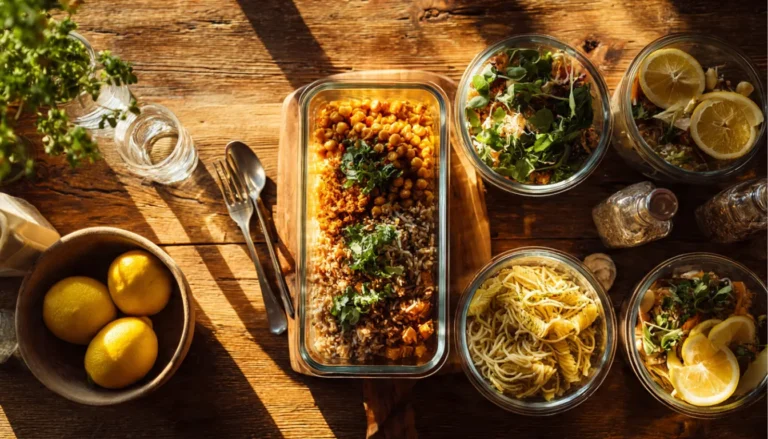
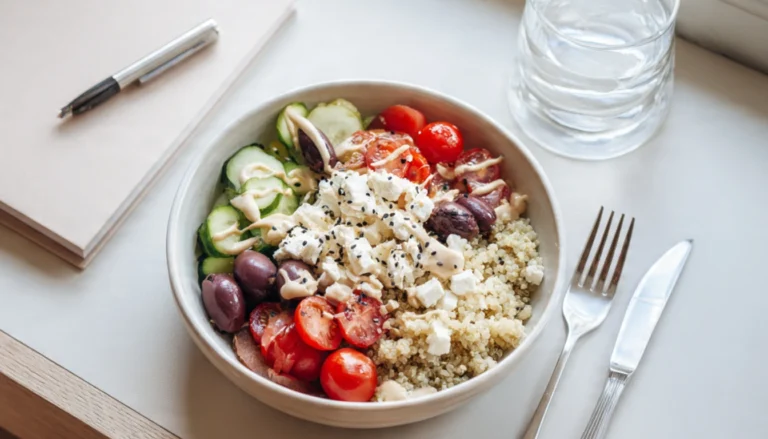
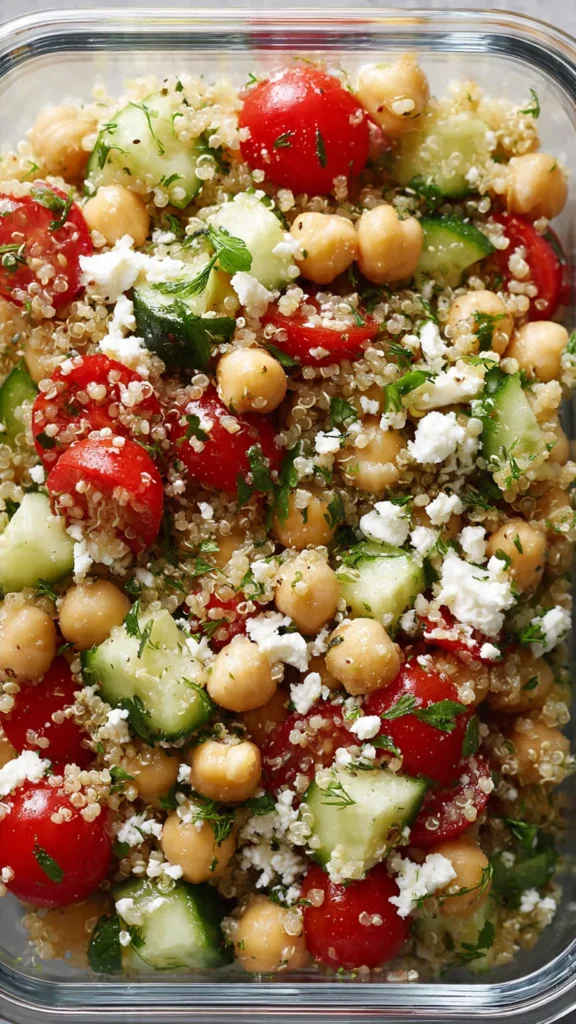
Let me give you an example. One of my favorite lunches right now is a Mediterranean chickpea salad. The base is chickpeas and quinoa (both filling and protein-packed), the flavor comes from a lemon-herb dressing with tons of fresh herbs and feta, and the texture is cucumbers, cherry tomatoes, and toasted pumpkin seeds. I make a huge batch on Sunday, and it literally gets better every day as it sits in the fridge. By Wednesday, the flavors are incredible.
The mistake I used to make was trying to pack lunches that were meant to be eaten hot. Grilled chicken breast? Tastes like cardboard when it’s cold. Pasta with marinara? Weirdly congealed and sad. But a pasta salad with pesto, sun-dried tomatoes, and mozzarella? That’s a completely different story.
Protein Sources That Work Cold
This was my biggest challenge at first. I’m not a vegetarian, and I wanted substantial lunches with enough protein to keep me full until dinner. Turns out there are tons of options.
Cold chicken works if you season it aggressively. I’m talking marinated and roasted with tons of spices, not plain grilled chicken. My trick is to use a yogurt-based marinade with curry powder, then slice it thin and pack it with a flavorful grain salad. The key is thin slices, they taste better cold than thick chunks for some reason.
Canned tuna and salmon are obviously classics, but I’ll be honest, I got bored of them pretty quickly. What changed the game for me was buying the better quality stuff in olive oil instead of water. It’s more expensive, but it tastes a million times better. I mix it with white beans, capers, red onion, and a ton of lemon juice. Sometimes I’ll add some arugula or spinach to bulk it up.
Hard-boiled eggs are your friend. I know they get a bad rap for the smell (and yes, be considerate of your desk neighbors), but they’re cheap, easy, and versatile. I like them sliced over a big green salad with avocado and cherry tomatoes, or I’ll make egg salad with Greek yogurt instead of mayo for something a bit lighter.
And here’s something I learned from my coworker who’s vegetarian: cold beans and lentils are actually amazing. She introduced me to a French lentil salad with Dijon vinaigrette, and it blew my mind. The lentils stay perfectly firm even after a few days in the fridge.
The Salad Situation (But Make It Interesting)
Look, I get it. When people think “cold lunch,” they immediately think “sad desk salad.” But hear me out because salads can be genuinely exciting if you build them right.
The game-changer for me was using sturdier greens. Delicate spring mix gets soggy and weird after a few hours in a container. But kale, cabbage, and romaine? They can handle sitting in your bag all morning. I actually prefer massaged kale salads now. You literally massage the raw kale with a bit of olive oil and lemon juice for a few minutes, and it becomes tender but still has great texture.
One of my current obsessions is an Asian-inspired cabbage slaw. Shredded purple cabbage, edamame, mandarin oranges, sliced almonds, and this incredible sesame-ginger dressing I make with rice vinegar and a touch of honey. I keep the dressing separate in a small container until I’m ready to eat, which keeps everything crisp.
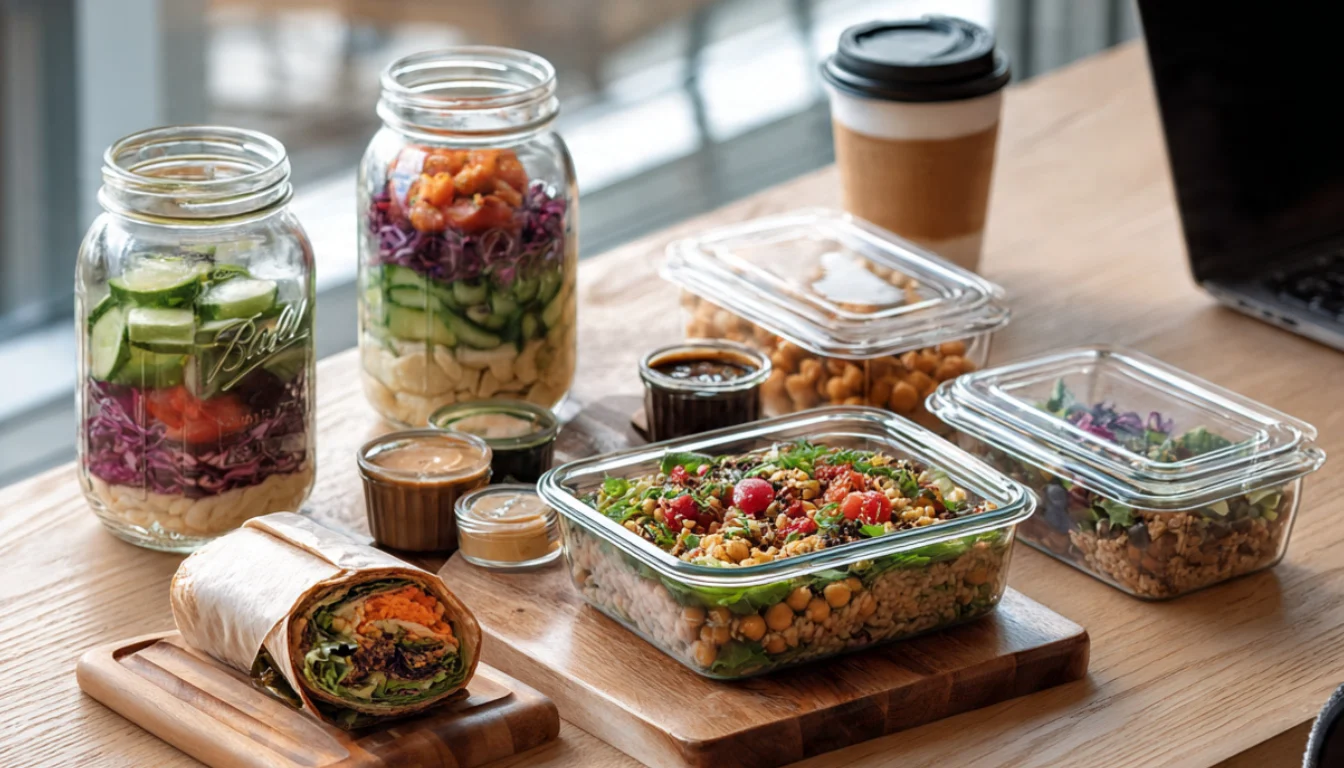
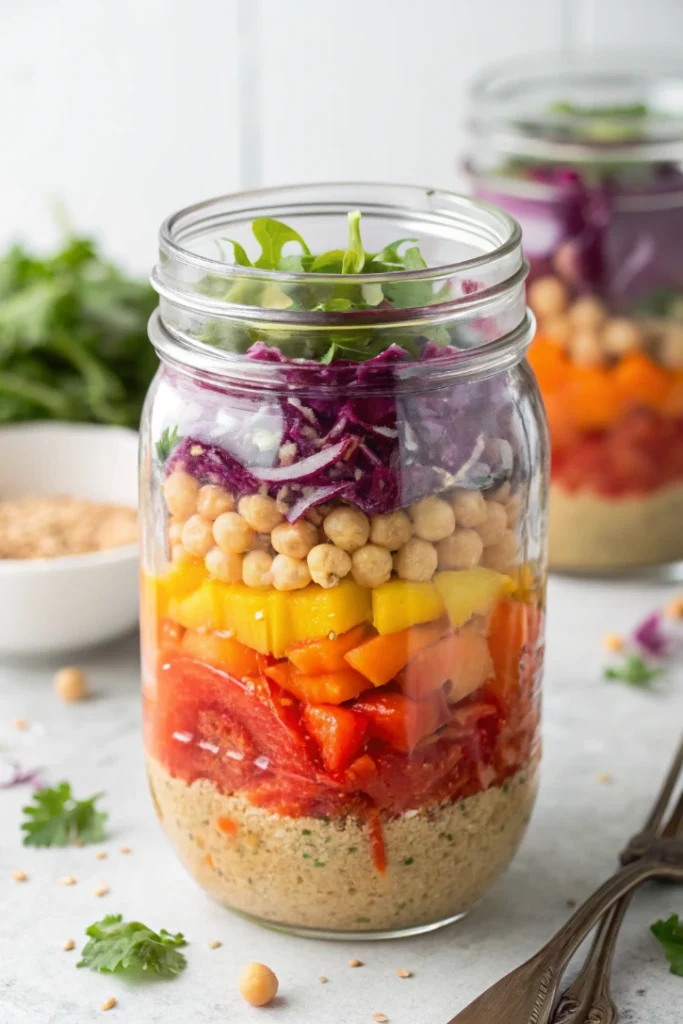
Speaking of keeping things separate, mason jar salads were life-changing for me. I was skeptical at first (it seemed like one of those Pinterest things that looks pretty but doesn’t actually work), but they genuinely keep salads fresh. You put the dressing at the bottom, then hard vegetables, then proteins, then grains or beans, and finally greens on top. When you’re ready to eat, you just shake it up and dump it in a bowl. I prep five of these every Sunday, and they last perfectly all week.
Sandwiches and Wraps That Don’t Get Soggy
This is crucial because nobody wants a sad, soggy sandwich at lunch. The key is being strategic about what goes where.
First rule: toast your bread if possible, or use something sturdy like a good sourdough or ciabatta roll. Wonder bread is just going to disintegrate. Second rule: create a barrier between wet ingredients and the bread. I usually spread hummus or mashed avocado on both sides of the bread, which creates a waterproof layer.
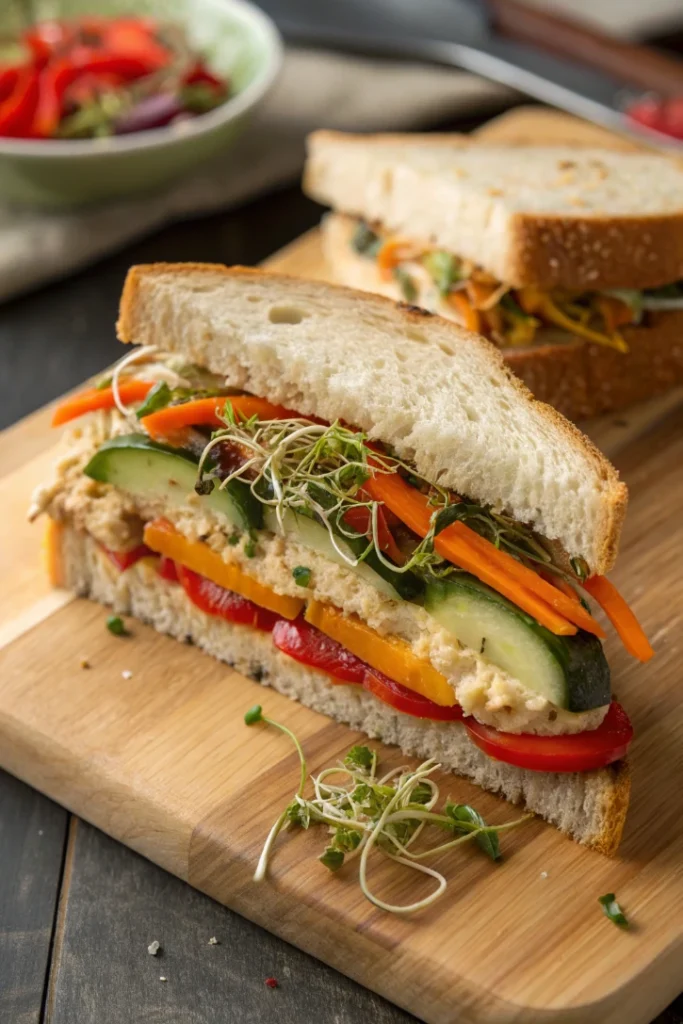
My favorite cold sandwich right now is what I call a “Fancy Veggie.” Hummus on both sides of toasted sourdough, then roasted red peppers, cucumber, shredded carrots, sprouts, and a thick slice of good cheddar. The vegetables are all pretty dry, so nothing gets soggy, but the hummus keeps it from being too dry.
For wraps, I’ve learned that whole wheat tortillas hold up better than white ones. And honestly? Cold wraps are better than cold sandwiches in my opinion. I make a Mediterranean wrap with falafel (yes, cold falafel is good if you get the crispy kind), cucumber, tomato, red onion, and tzatziki sauce. The trick with tzatziki is to not use too much, just a thin layer.
Another winner is a Thai-inspired peanut chicken wrap. Shredded rotisserie chicken mixed with shredded carrots, purple cabbage, cilantro, and a peanut sauce. The peanut sauce is just peanut butter thinned out with rice vinegar, soy sauce, and a little honey. It stays good all week and doesn’t make the wrap soggy because it’s thick enough to stick to the chicken rather than soaking into the tortilla.
Grain Bowls Are Your Secret Weapon
If you’re not making grain bowls for lunch, you’re missing out. These are legitimately better cold or at room temperature than hot.
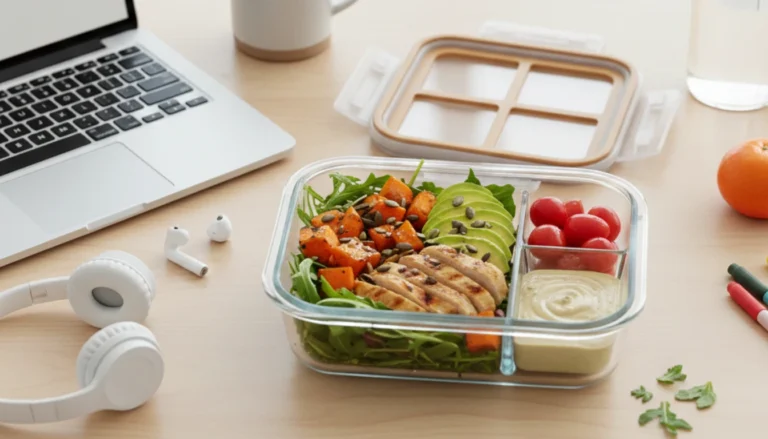
My formula is simple: pick a grain, add a protein, throw in some roasted or raw vegetables, add something creamy or tangy, and top with something crunchy. Here’s an example that I probably eat twice a week: quinoa, chickpeas, roasted sweet potato, cucumber, feta cheese, and a lemon-tahini dressing, topped with toasted sunflower seeds.
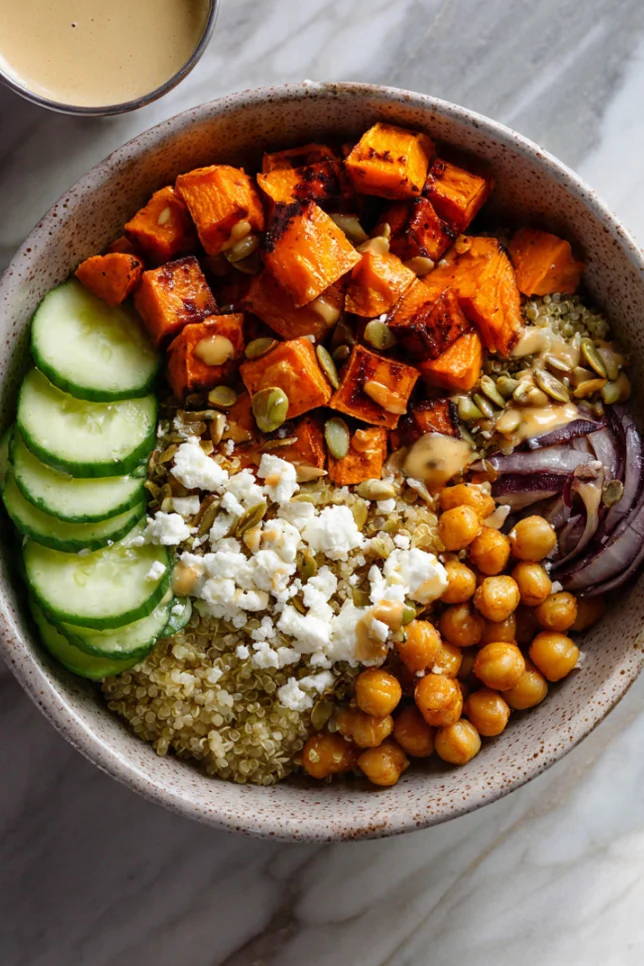
The beauty of grain bowls is that they’re incredibly flexible. You can use whatever grains you like. I rotate between quinoa, farro, brown rice, and this ancient grain mix I get at Trader Joe’s. They all keep well and have good texture cold.
One thing I learned the hard way: don’t overdress your grain bowls ahead of time. I keep the dressing separate in a small container and add it right before I eat. Otherwise, everything gets mushy by day three or four.
My Actual Weekly Lunch Prep Routine
People always ask me how I stay consistent with bringing lunch, so here’s my honest routine. Sunday afternoon, I spend about an hour prepping. That sounds like a lot, but I’m usually doing other things too, like listening to a podcast or catching up with my mom on the phone.
I typically make two different lunch options for the week because eating the exact same thing five days in a row gets old. This week, for example, I made a big batch of that Mediterranean chickpea salad I mentioned earlier and a batch of cold sesame noodles with edamame and shredded chicken.
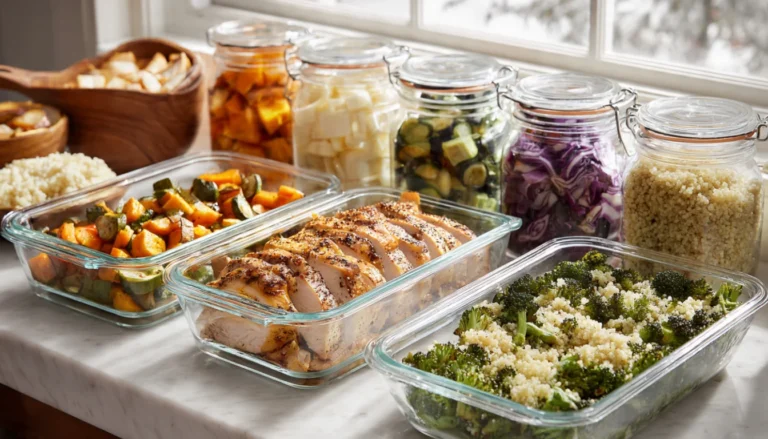
I portion everything into glass containers. I used to use plastic, but I found that glass keeps things fresher and doesn’t hold onto smells. I got a set of good containers with snap-on lids, and they’ve been worth every penny.
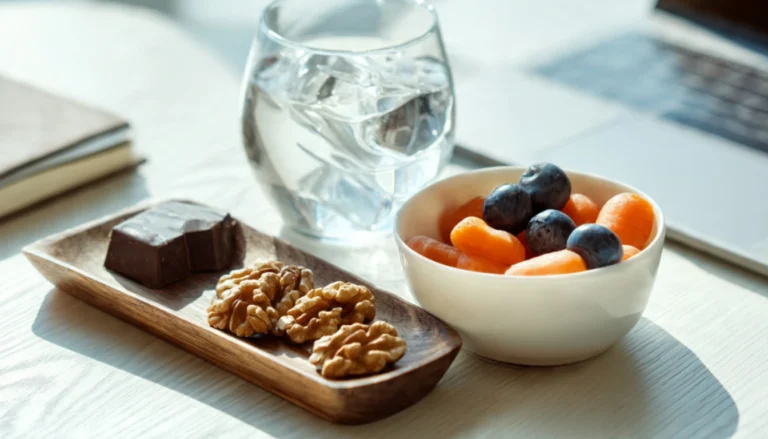
The other thing I prep is snacks. I’ll cut up vegetables and portion them with hummus, or I’ll make energy balls (dates, nuts, and cocoa powder blended together), or sometimes I’ll just portion out some almonds and dried fruit. Having snacks ready means I’m not tempted by the vending machine at three in the afternoon.
What Actually Keeps Well (And What Doesn’t)
Through lots of experimentation (and some disappointments), I’ve figured out what survives in the fridge and what doesn’t.
Great for meal prep: grain salads, bean salads, pasta salads with oil-based dressings, sandwiches with sturdy bread and dry fillings, sliced vegetables with dip, hard-boiled eggs, and pretty much anything with chickpeas (they’re magical).
Not great: anything with delicate greens mixed in (keep them separate), avocado if it’s cut more than a day ahead (it browns, though lemon juice helps), creamy pasta salads after about three days (they get weird), and tomatoes mixed into salads (they release water and make everything soggy).
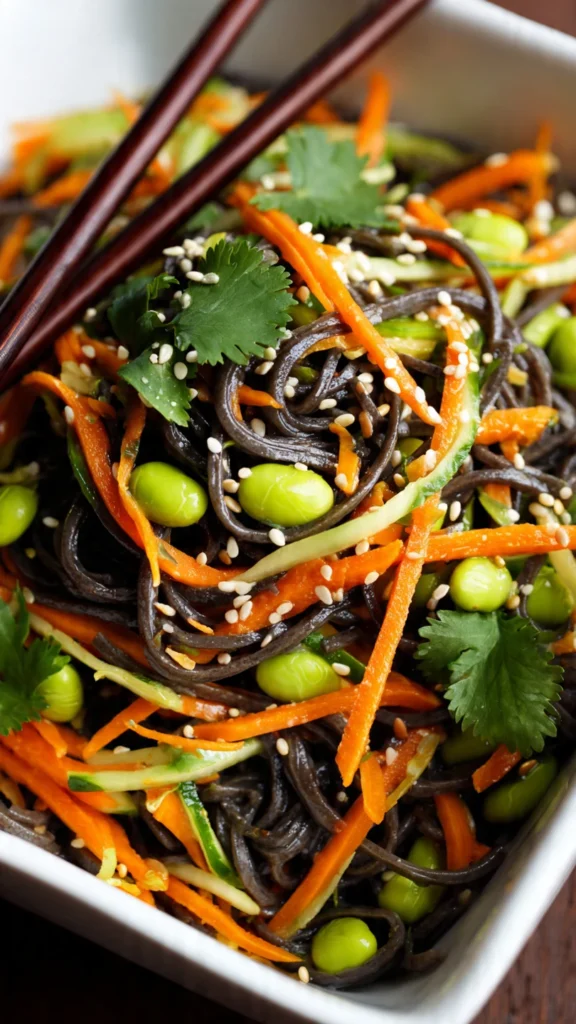
One surprising discovery: cold noodle salads keep incredibly well. I make this cold peanut noodle situation with soba noodles, shredded carrots, cucumber, and edamame in a peanut-sesame dressing. It’s good for at least five days, and the noodles don’t get mushy at all.
The Tools That Actually Matter
You don’t need a ton of fancy equipment, but a few things have made my life easier. Those good glass containers I mentioned are probably the best investment. I also use a small cooler bag with an ice pack, which keeps everything fresh even if I don’t have access to a fridge until lunch.
A good salad dressing container with a leak-proof lid is essential. I bought a set of small containers specifically for dressings and dips, and they’ve been great. No more sad Ziploc bags that leak all over everything.
And this might sound basic, but a really good knife has changed my meal prep game. I used to hack at vegetables with a dull knife, and it took forever. I finally invested in a decent chef’s knife and a good cutting board, and my Sunday prep time got cut in half.
Making It Actually Enjoyable
The truth is, bringing lunch from home requires some planning and effort. But I’ve found ways to make it genuinely enjoyable rather than a chore.
I try to make my lunches visually appealing because I eat with my eyes first. I’ll add colorful vegetables even if I’m not that hungry for them, just because a bright lunch makes me happy. Purple cabbage, cherry tomatoes, shredded carrots, they all make everything look more appetizing.
I also don’t force myself to eat “healthy” all the time. Sometimes I’ll pack a really good cheese, some crackers, fruit, and call it lunch. Or I’ll make a really indulgent pasta salad with tons of cheese and good salami. The goal is to actually look forward to lunch, not to dread eating rabbit food every day.
And on days when I’m not feeling my packed lunch? I buy something. It’s not a moral failure to occasionally get takeout. The point of packing lunch is to save money and eat better most of the time, not to never enjoy a restaurant meal again.
So there you have it. Three years into my no-microwave office life, and I’m actually grateful for the limitation. It forced me to get creative, and I genuinely think my lunches are better now than when I was just reheating leftovers. Your mileage may vary, but I hope some of these ideas help you avoid the sad sandwich trap.
What are your go-to cold lunches? I’m always looking for new ideas, so if you’ve got a favorite that I didn’t mention, I’d love to hear about it.