Brain-Boosting Snacks for Desk Jobs: What Actually Works During Long Office Hours
I used to hit a wall every single day at 2:47 PM. I know that because I checked my phone once out of sheer desperation and somehow that exact time burned itself into my memory. My eyes would go fuzzy, my typing would slow to a crawl, and whatever I was supposed to be finishing before the 4 PM meeting felt completely impossible. I thought it was just… being tired. Normal office life stuff.
Then I started paying actual attention to what I was eating during the day, and honestly, it changed everything.
This isn’t going to be one of those posts where I tell you to swap your chips for kale chips and your life will transform. Kale chips are fine, but they’re not going to save your afternoon. What I’ve found after years of experimenting with desk snacks (and surviving more than a few 10-hour stretches in front of a screen) is that the right combination of nutrients can genuinely change how sharp you feel by 3 PM.
Your Brain Actually Has Specific Fuel Needs
Here’s something that took me embarrassingly long to understand. Your brain runs almost exclusively on glucose, but it doesn’t want a big sugar spike followed by a crash. It wants slow, steady fuel. So that granola bar you grabbed from the vending machine isn’t actually helping you focus. It’s just buying you 20 minutes before you feel worse.
The snacks that genuinely work for focus and memory tend to hit a few key things at once: healthy fats (your brain is about 60% fat, which is wild to think about), slow-burning carbs, and protein to keep blood sugar stable. Throw in some antioxidants for good measure, because oxidative stress is one of the things that actually makes brain function worse over time.
I’m not a nutritionist, so take this with whatever level of salt feels right to you. But I’ve read enough, experimented enough, and sat at enough desks to have some strong opinions about what works and what’s basically just snacking with extra steps.
The Snacks I Actually Keep at My Desk
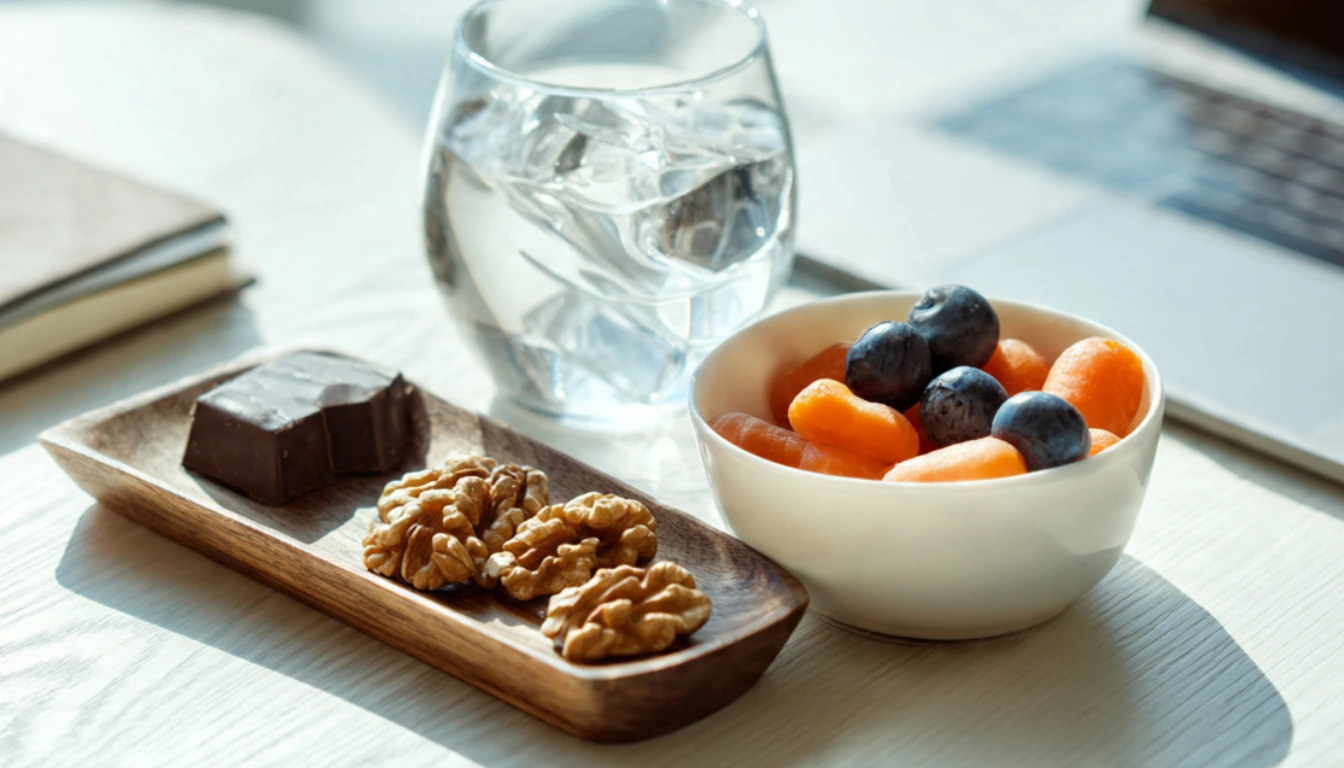
Walnuts and dark chocolate. This one sounds almost too simple, but it’s my number one. Walnuts have the highest omega-3 content of any tree nut, and omega-3 fatty acids are genuinely well-studied for cognitive function. The dark chocolate (70% or higher, not the milk chocolate stuff) adds a tiny bit of caffeine, some flavonoids that improve blood flow to the brain, and honestly it just makes the walnuts more enjoyable. I keep a small glass jar of this mix on my desk and eat maybe a handful around 10 AM and another around 3 PM. It’s become such a habit that reaching for it feels automatic.
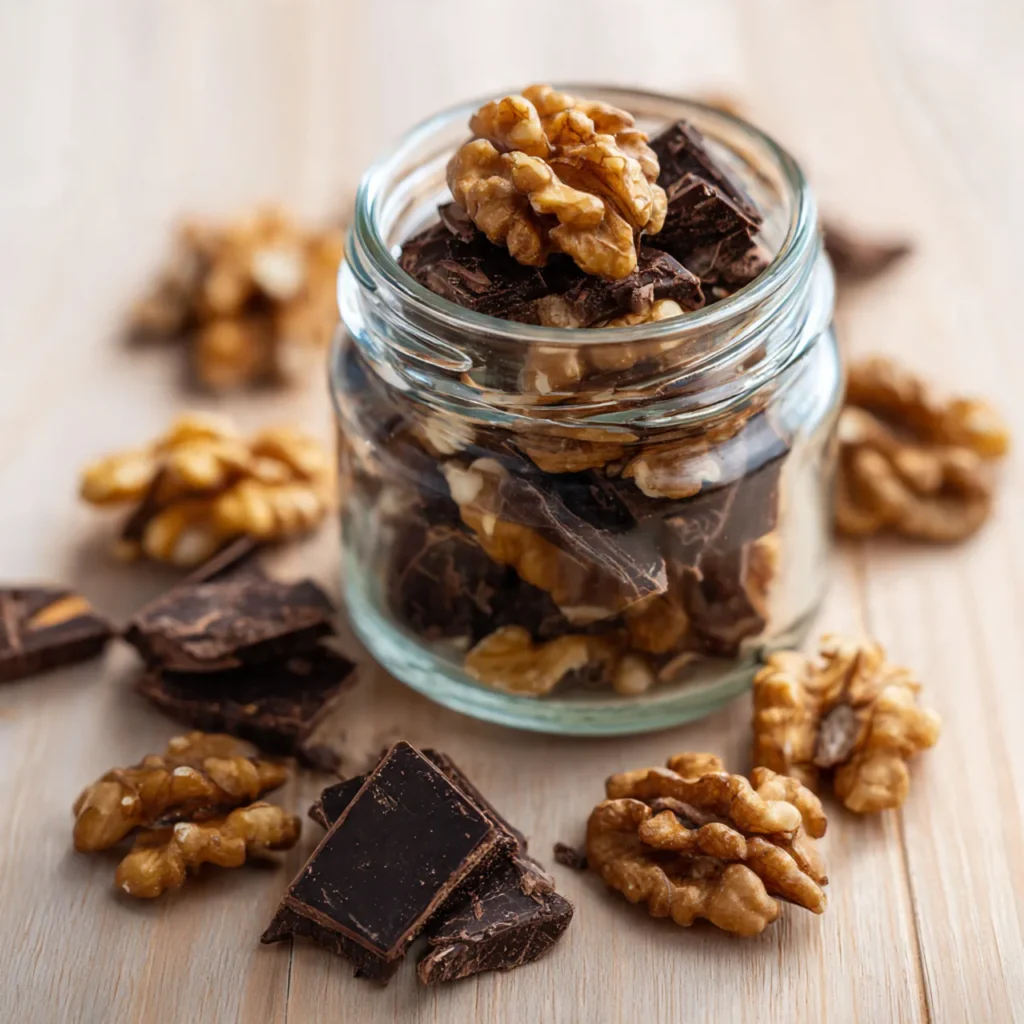
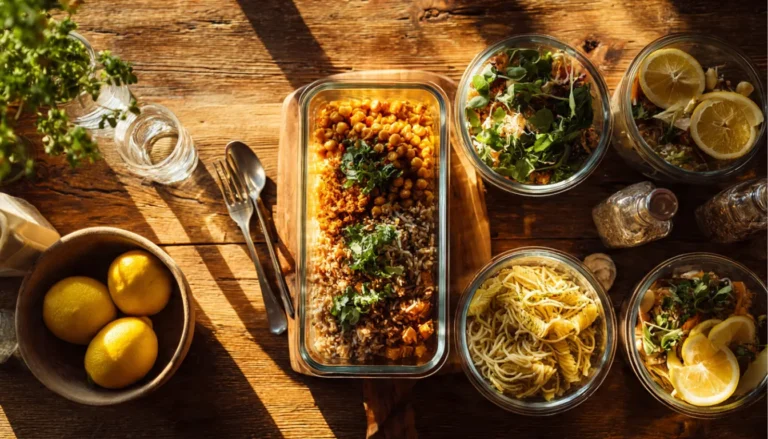
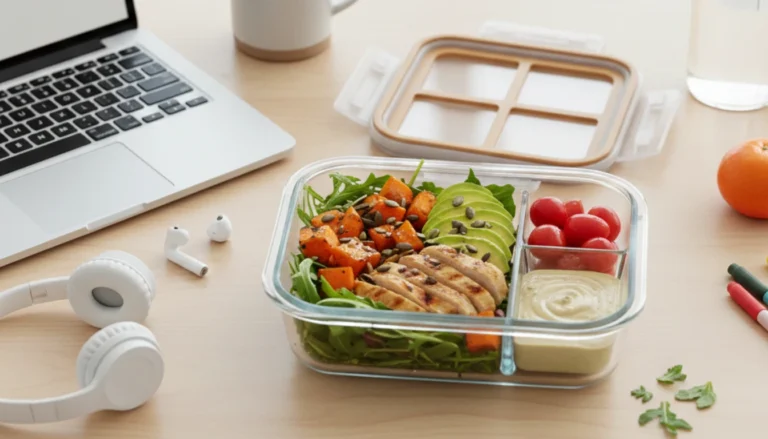
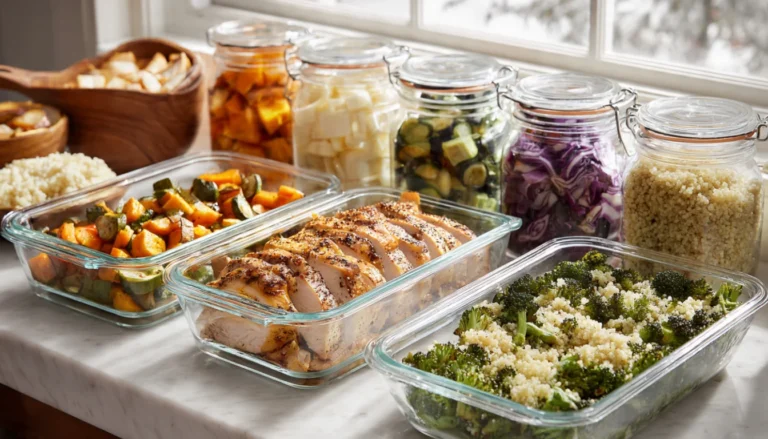
A pro tip here: buy walnuts in bulk if you can. Pre-packaged snack bags are convenient but you’re paying a huge markup for that convenience. I grab a big bag from Costco or Trader Joe’s and portion them into small glass meal prep containers at the start of the week. Takes five minutes on Sunday and saves me from the vending machine all week.
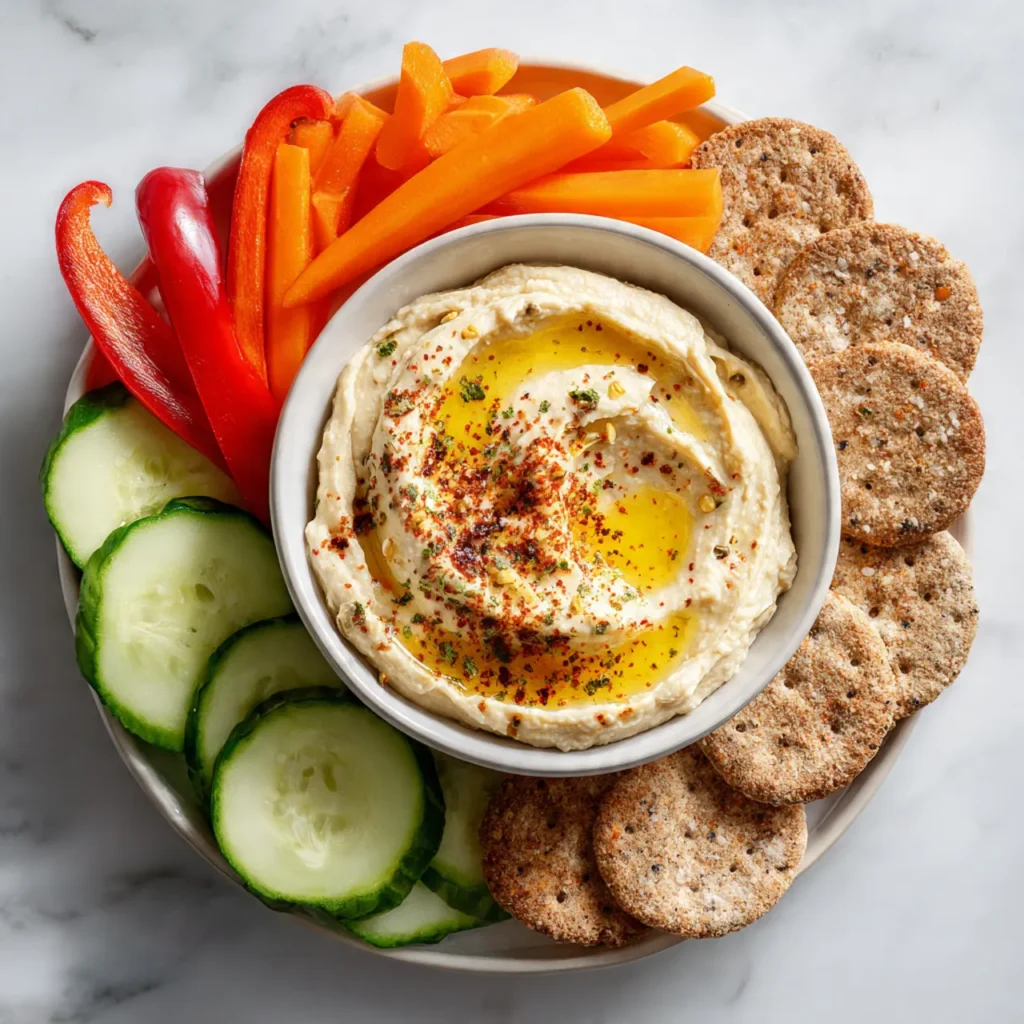
Hummus with vegetables or whole grain crackers. Chickpeas have a low glycemic index, which is the technical way of saying they won’t spike your blood sugar. The protein and fiber slow down digestion, so you get a gradual energy release instead of a sudden crash. I make a big batch of homemade hummus every week using a food processor (I use a Cuisinart, though any decent food processor does the job), and it takes maybe 10 minutes. Store-bought hummus works perfectly well too, Sabra and Cedar’s are both solid options, but homemade lets you control the salt and adjust the flavors.
Pair it with cucumber slices, baby carrots, bell pepper strips, or whole grain crackers. The crunch factor matters more than you’d think for staying alert at a desk. Something about the physical act of chewing something with texture seems to help.
Greek yogurt with berries. The protein in Greek yogurt is genuinely impressive, usually 15-17 grams per serving, and protein helps regulate dopamine and serotonin production. Those are the neurotransmitters that affect your mood and focus. Berries are loaded with antioxidants, and blueberries specifically have been shown in multiple studies to improve memory recall in the short term. I add a small drizzle of honey and some walnuts (yes, the walnuts again, they’re doing a lot of work in my snack life) and it feels more like a treat than a health food.
The challenge with yogurt at a desk is keeping it cold. I use a small insulated lunch bag with a reusable ice pack, which makes a bigger difference than you’d expect for keeping things at a safe temperature through a full workday.
Hard-boiled eggs. I know, I know. Some people find these polarizing as a desk snack due to the smell factor. Fair. If you share a small office with other humans who have noses, maybe eat these in the break room. But if you have your own space or a reasonably ventilated area, hard-boiled eggs are one of the most efficient brain-food snacks you can eat. Choline, which is found in egg yolks, is a precursor to acetylcholine, the neurotransmitter most directly linked to learning and memory. Batch cook a week’s worth on Sunday. They keep in the fridge for about a week with the shell on.
Avocado toast or just plain avocado on crackers. The monounsaturated fats in avocado support healthy blood flow, including to the brain. I keep a small container of mashed avocado (with a bit of lemon juice to slow browning) in my lunch bag and eat it on whole grain crackers around midday. It’s surprisingly filling and holds off hunger for hours, which means I’m not distracted by being hungry during afternoon meetings.
The Mistake I Made for Way Too Long
For a couple of years, I was doing everything I thought was right. Eating light. Skipping the heavy lunches that left me sleepy. Sticking to fruit and rice cakes. And I was still struggling with that afternoon fog.
The problem? I was eating too little fat and not enough protein. I thought I was being healthy and smart, but I was essentially starving my brain of what it needed most. The fruit would give me a quick energy boost that faded fast. The rice cakes are basically just air and simple carbs. And I’d end up either unfocused or absolutely ravenous by 3 PM and eating something regrettable from the vending machine anyway.
When I started adding nuts, eggs, and healthy fats back into my snacking routine, the difference was noticeable within a week. Not dramatic, not instant, but steady. The 2:47 PM wall became more of a gentle slope.
Quick Recipes Worth Having in Your Rotation
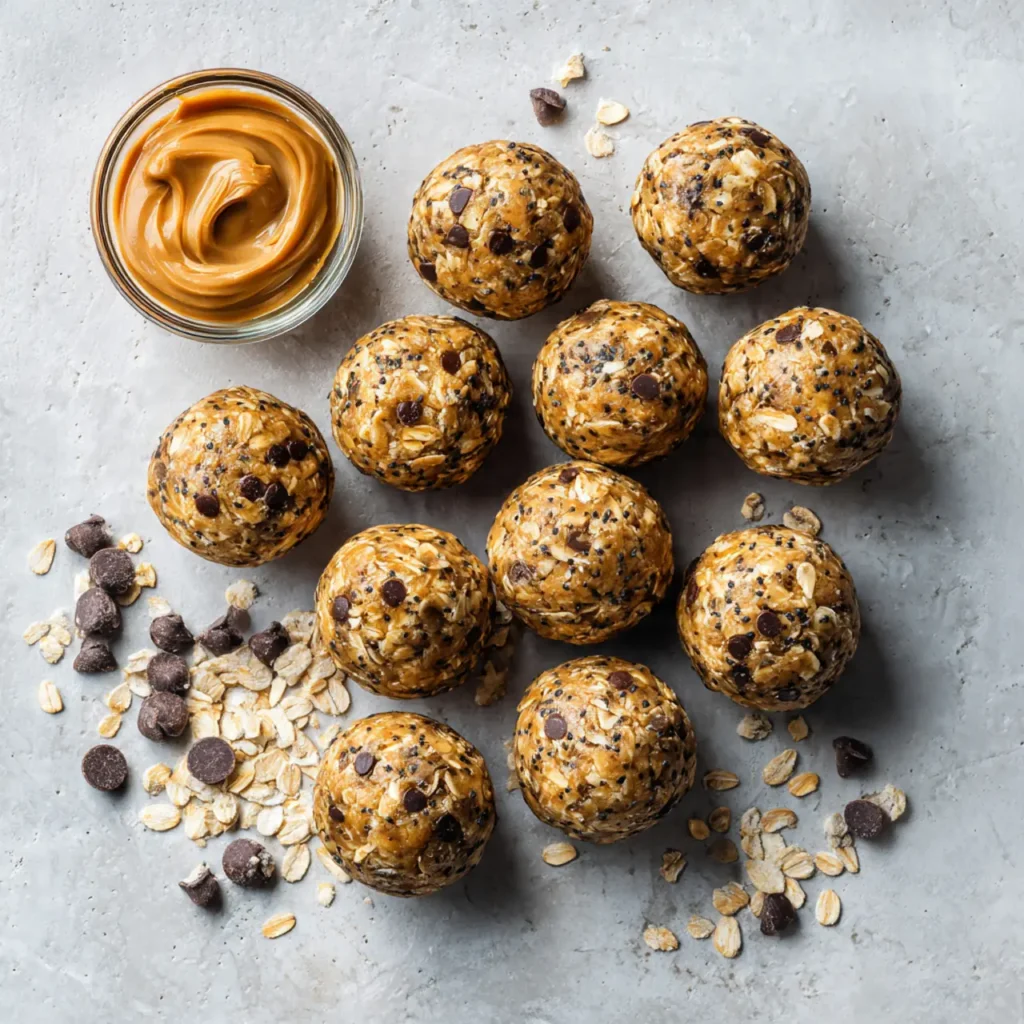
5-Minute Energy Balls. Blend together oats, peanut butter (or almond butter if that’s your thing), honey, dark chocolate chips, and chia seeds. Roll into balls. Refrigerate. That’s genuinely it. I make a batch of about 20 using my Vitamix blender on low, though a food processor works better for this texture. They keep in an airtight container in the fridge for about two weeks, and they’re one of the most portable, no-mess desk snacks I’ve found. The chia seeds add omega-3s and fiber, the oats give you slow-burning carbs, and the peanut butter adds protein and healthy fat. They hit everything you need in one little ball.
Roasted Chickpeas. If you want something crunchy that isn’t chips, roasted chickpeas are worth trying. Drain and dry a can of chickpeas thoroughly (this step matters more than any other step, they need to be completely dry), toss with olive oil and whatever seasonings you like (smoked paprika and cumin is my go-to), and roast at 400 degrees for about 25-30 minutes. They get genuinely crunchy and satisfying. They can soften up after a day or two in storage, so I make smaller batches more often rather than a huge batch once a week.
A Few Things Worth Knowing Before You Start Snacking Smarter
Hydration affects cognitive function more than most people realize. If you’re not drinking enough water, even mild dehydration can cause brain fog that no snack is going to fix. Keep a water bottle at your desk and sip consistently. The old “8 glasses a day” thing is oversimplified, but it’s not a bad starting point.
Timing matters. Eating a large snack right before a meeting or a task requiring heavy focus isn’t ideal because digestion takes energy. Small snacks between meals, rather than one big mid-morning or mid-afternoon feeding, tend to keep energy more stable throughout the day.
Your mileage may genuinely vary here. Some people do better with a bigger lunch and no afternoon snack. Some people need three small snacks between breakfast and dinner to stay sharp. Pay attention to how you actually feel rather than following any formula too rigidly.
The goal isn’t perfection. It’s building habits that make it easier to reach for something that actually helps rather than something that just tastes good in the moment and leaves you crashing an hour later.
If you try any of these snacks and notice a difference, I’d actually love to hear about it. And if you have a desk snack that works for you that I haven’t mentioned here, drop it in the comments. I’m always looking for something new to add to the rotation.
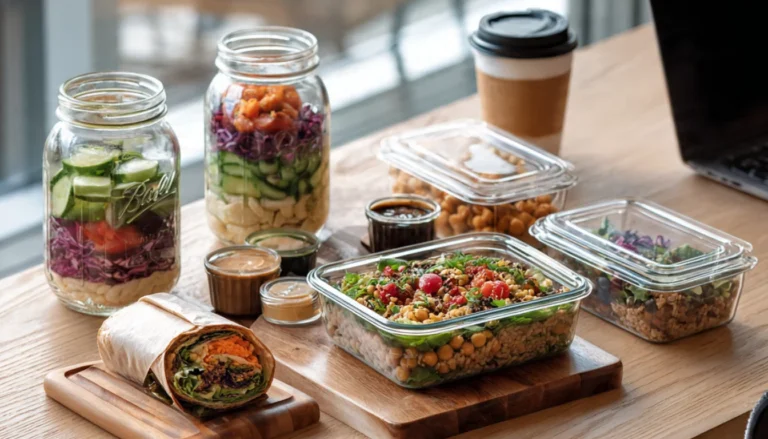
Looking for more office-friendly meal ideas? Check out our Mason Jar Salads for Office Workers and Meal Prep Sunday for 9-to-5 Workers for more ways to eat smarter during the workweek.