Ermine Frosting Recipe – Silky Light Buttercream
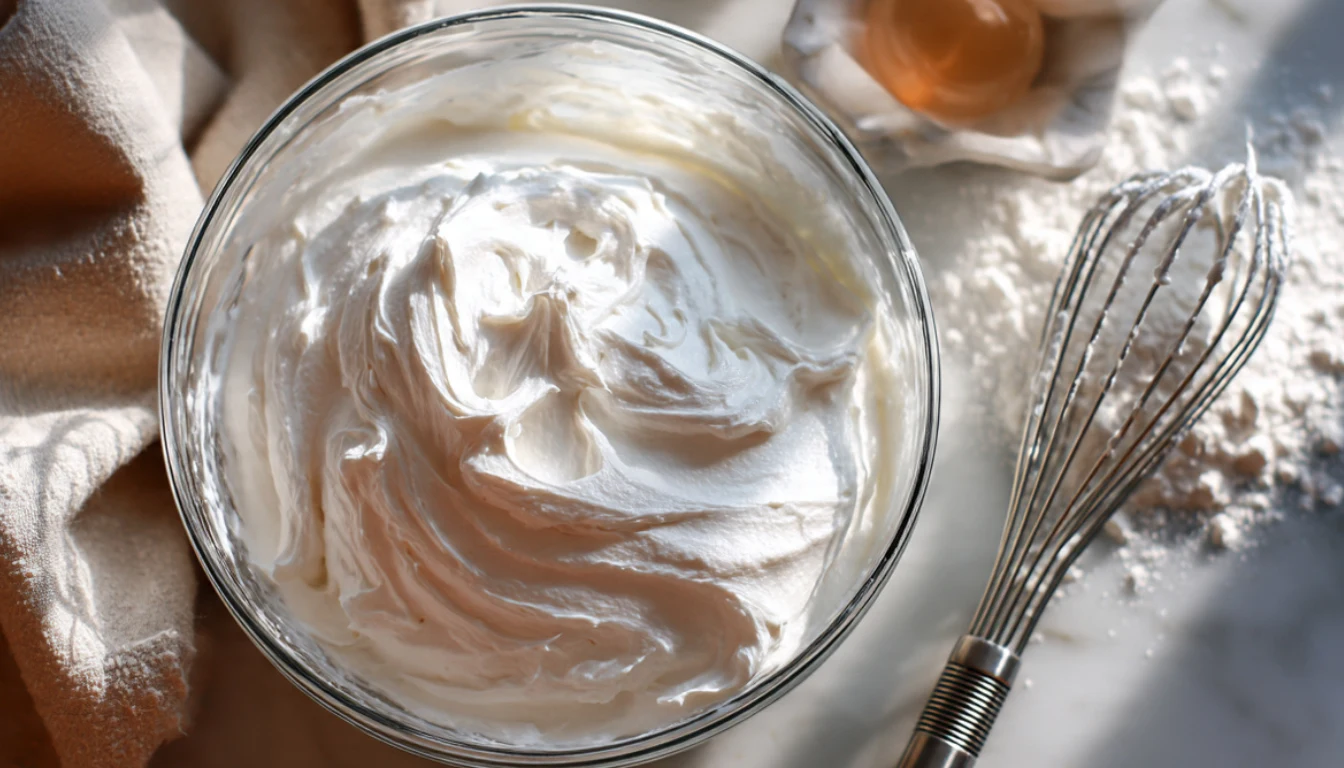
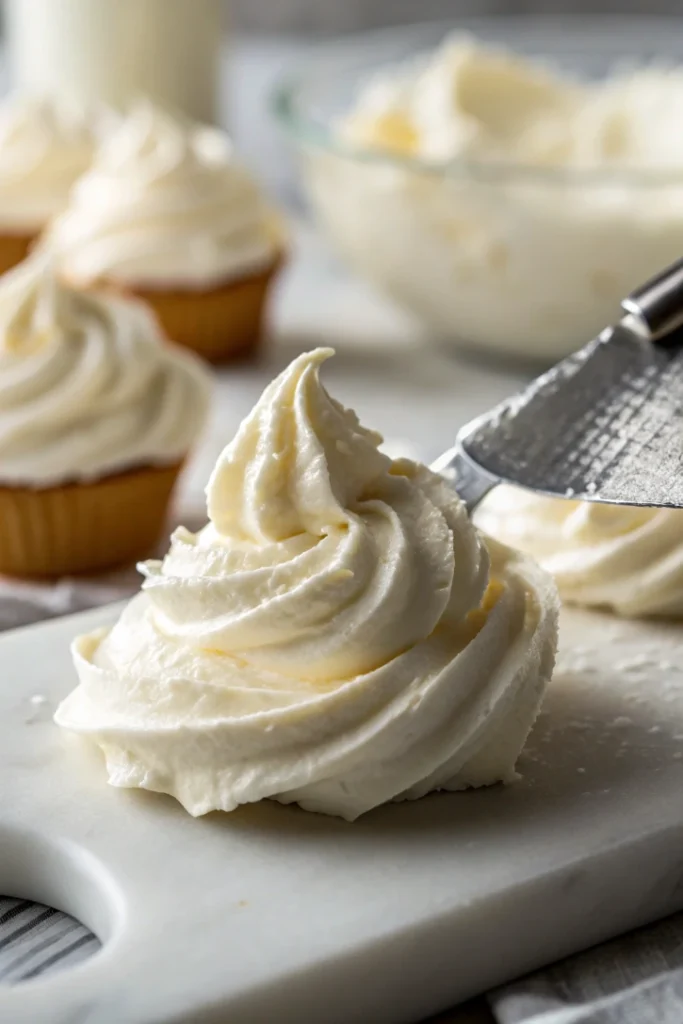
Silky, light, and not overly sweet, ermine frosting is the old-fashioned buttercream that deserves a comeback. Made by cooking flour into milk before whipping with butter and sugar.
I made my first ermine frosting after a friend complained that American buttercream was too sweet for her red velvet cake. She was right. This cooked flour frosting has roots in the early 1900s, and honestly, it tastes better than most modern frostings.
Ermine frosting goes by several names. You might see it called boiled milk frosting, flour buttercream, or heritage frosting. The technique is always the same: cook flour and milk into a thick paste, cool it completely, then whip it into creamed butter and sugar. The result is incredibly light.
What Ermine Frosting Is Used For
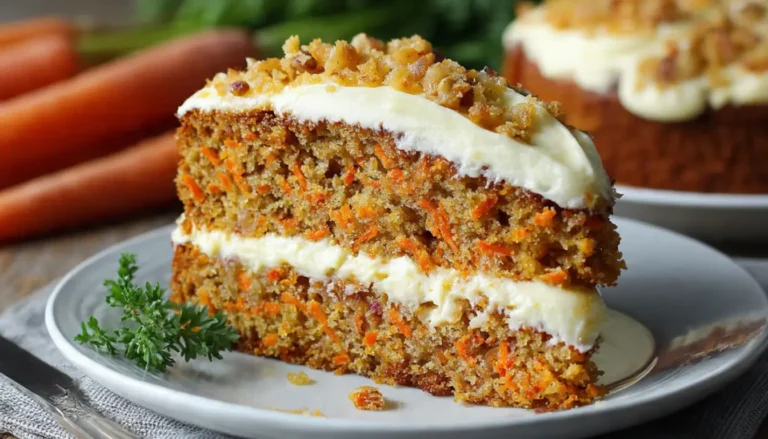
This frosting works best on cakes that need balance. Red velvet is the classic pairing because the frosting cuts through the richness without adding more sweetness. It also works great on chocolate cake, carrot cake, and spice cakes.
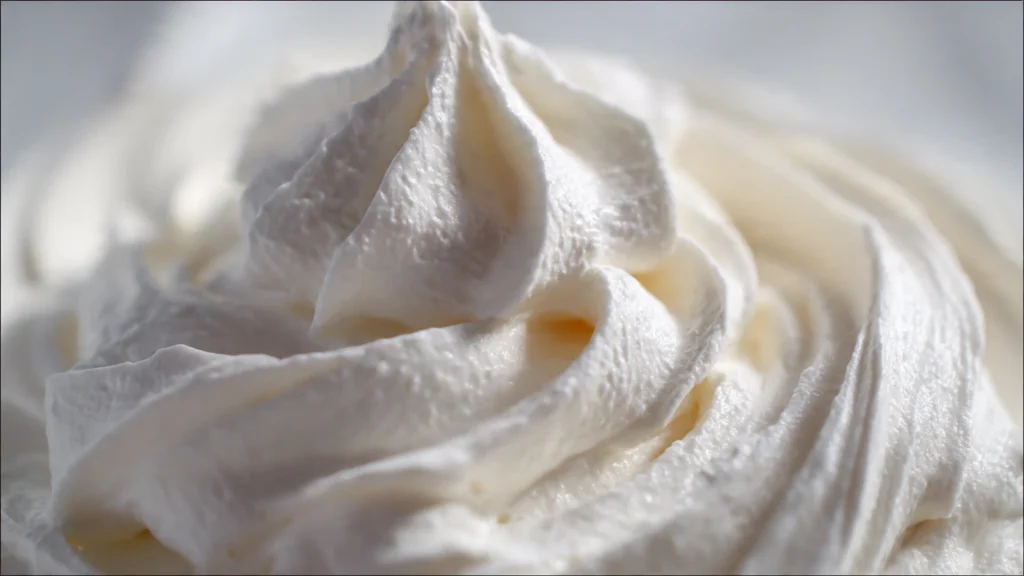
The texture is somewhere between American buttercream and whipped cream. It spreads smoothly and holds its shape for piping, but melts on your tongue instead of coating it. If regular buttercream feels heavy to you, this one won’t.
How to Store It
Ermine frosting keeps in the refrigerator for up to one week. The butter will firm up when cold, so bring it to room temperature before using. Let it sit on the counter for about an hour, then rewhip briefly until smooth.
Frosted cakes can stay at room temperature for a day or two, but longer than that, refrigerate them. The flour base makes this frosting less stable than pure butter frostings in warm conditions.
You can freeze the frosting for up to three months. Thaw overnight in the fridge, then bring to room temperature and rewhip.
Ingredients
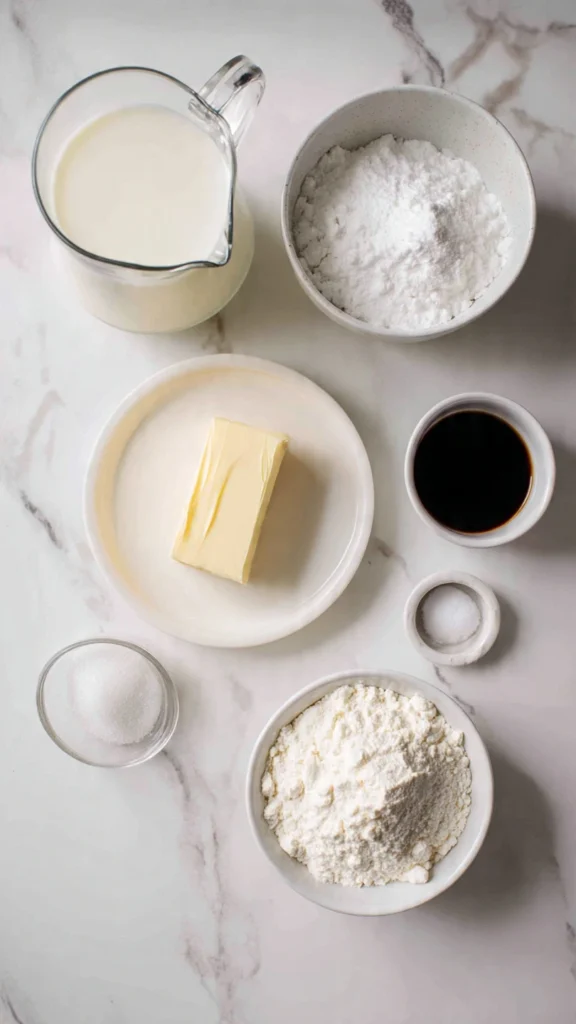
- 5 tablespoons all-purpose flour
- 1 cup whole milk
- 1 cup unsalted butter, room temperature
- 1 cup granulated sugar
- 1 teaspoon vanilla extract
- Pinch of salt
Instructions
- Whisk flour and milk together in a small saucepan until no lumps remain.
- Cook over medium heat, whisking constantly, until the mixture thickens to a paste-like consistency. This takes about 5 to 7 minutes. It should coat a spoon thickly.
- Transfer the paste to a shallow bowl and press plastic wrap directly onto the surface. Refrigerate until completely cool, at least 45 minutes. The paste must be fully cold or your frosting will be runny.
- Beat the butter in a stand mixer with the paddle attachment on medium-high speed for 3 to 4 minutes until pale and fluffy.
- Add the sugar gradually while mixing. Beat for another 3 minutes until light and creamy.
- Add the cooled flour paste one spoonful at a time, mixing well after each addition. If the frosting looks curdled, keep mixing. It will come together.
- Add vanilla and salt. Beat on high for 2 to 3 minutes until the frosting is silky smooth and resembles whipped cream.
Notes
The flour paste cooling step is the most important part of this recipe. If the paste is even slightly warm, the butter will melt and you’ll end up with soup. I learned this the hard way my second time making it. Set a timer and don’t rush.
Use regular granulated sugar, not powdered. The long whipping time dissolves the crystals completely. Some older recipes call for superfine sugar, but standard granulated works fine if you beat it long enough.
If your frosting looks curdled after adding the flour paste, don’t panic. This usually means the paste was slightly too warm or too cold. Keep beating on medium-high and it will smooth out within a minute or two.
This recipe frosts a two-layer 8 or 9 inch cake generously. For cupcakes, you’ll get about 18 to 24 depending on how much you pile on.
The texture is delicate, so this isn’t the best choice for outdoor summer events. Heat and humidity can make it soft. For those situations, stick with American buttercream or cream cheese frosting.
You can flavor ermine frosting easily. Add cocoa powder to the flour before cooking for chocolate. Mix in fruit purees after the final whip. Almond extract instead of vanilla works beautifully with white cakes. Just keep additions minimal so you don’t throw off the ratio.
Ermine Frosting
Silky, light, and not overly sweet. The old-fashioned buttercream made with cooked flour and milk.
Ingredients
- 5 tbsp all-purpose flour
- 1 cup whole milk
- 1 cup unsalted butter, room temperature
- 1 cup granulated sugar
- 1 tsp vanilla extract
- 1 pinch salt
Instructions
- Mix flour and milk Whisk flour and milk together in a small saucepan until no lumps remain.
- Cook the paste Cook over medium heat, whisking constantly, until the mixture thickens to a paste-like consistency. This takes about 5 to 7 minutes. It should coat a spoon thickly.
- Cool the paste Transfer the paste to a shallow bowl and press plastic wrap directly onto the surface. Refrigerate until completely cool, at least 45 minutes. The paste must be fully cold or your frosting will be runny.
- Beat the butter Beat the butter in a stand mixer with the paddle attachment on medium-high speed for 3 to 4 minutes until pale and fluffy.
- Add sugar Add the sugar gradually while mixing. Beat for another 3 minutes until light and creamy.
- Add flour paste Add the cooled flour paste one spoonful at a time, mixing well after each addition. If the frosting looks curdled, keep mixing. It will come together.
- Final whip Add vanilla and salt. Beat on high for 2 to 3 minutes until the frosting is silky smooth and resembles whipped cream.
Notes
The flour paste must be completely cold before adding to the butter. Use regular granulated sugar, not powdered. If the frosting looks curdled, keep beating and it will smooth out. This frosts a two-layer 8 or 9 inch cake generously.