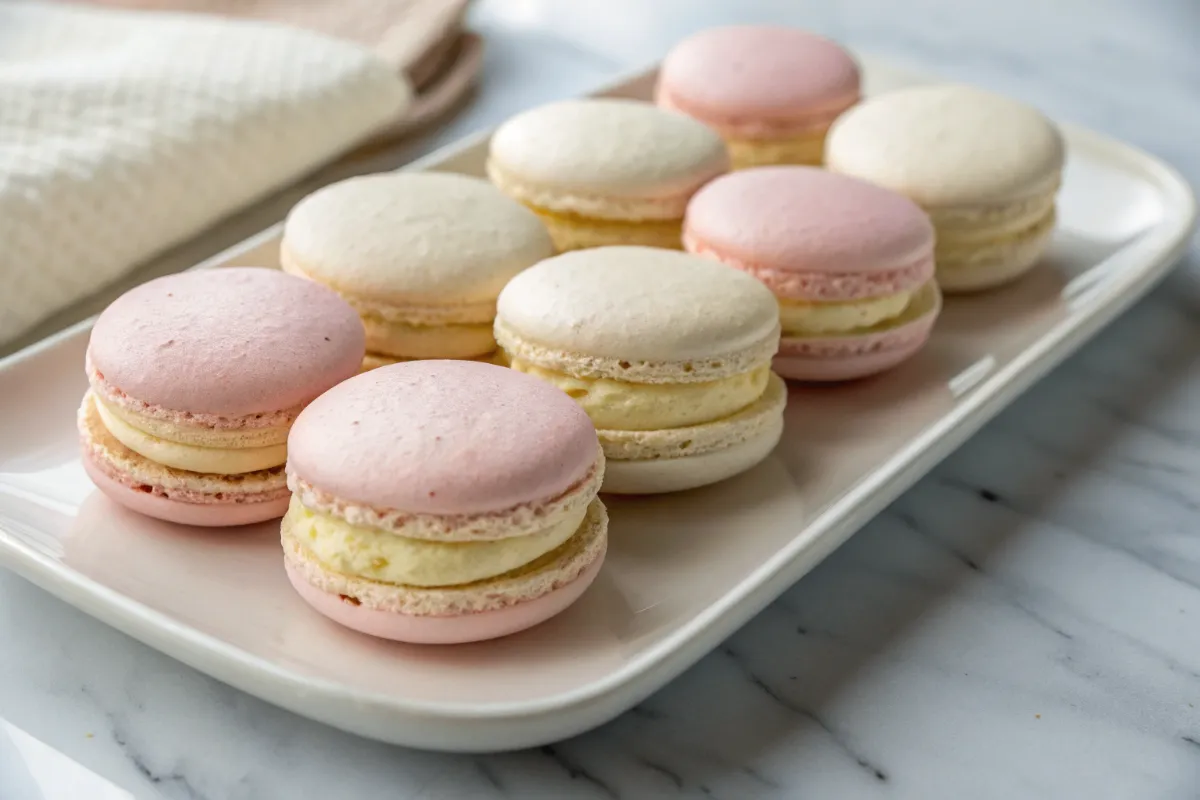
Buttercream Macarons – Delicate French Cookies with a Smooth, Creamy Filling
Introduction
If there is one dessert that instantly says elegance, it is buttercream macarons. Light, crisp on the outside, soft and slightly chewy on the inside, with a rich buttercream center, these little cookies are pure magic. After more than ten years working as a professional chef and recipe developer, I can tell you honestly that buttercream macarons are not about luck. They are about understanding the process and respecting the details.
Many home bakers feel intimidated by macarons, and I get it. I felt the same way early in my career. But once you understand the rhythm of the batter, the feel of properly whipped meringue, and the importance of resting the shells, buttercream macarons become incredibly rewarding to make. This recipe is written to guide you like a chef standing beside you in the kitchen, calm, honest, and clear.
Essential Ingredients
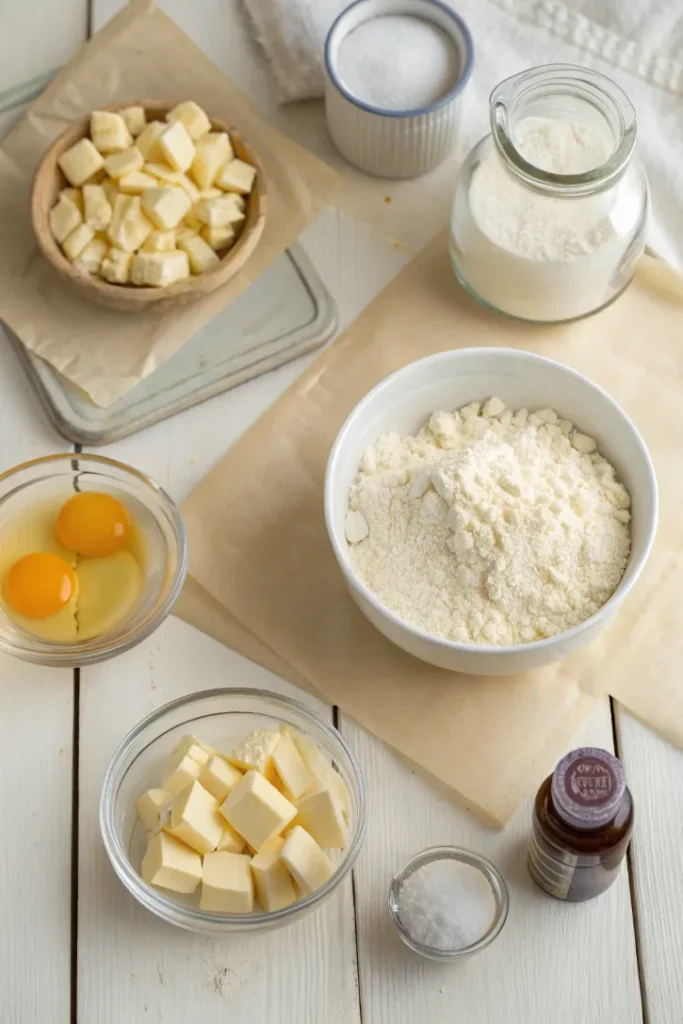
Buttercream macarons rely on a short list of ingredients, but each one plays a critical role. Finely ground almond flour is the foundation of the shells. It must be dry, fresh, and sifted well to achieve smooth tops. Powdered sugar blends with the almond flour to create structure and sweetness without graininess.
Egg whites are the heart of the meringue. Aged egg whites work best because they whip more consistently and create stronger structure. Granulated sugar stabilizes the meringue and gives the shells their signature shine. A pinch of cream of tartar helps maintain stable peaks.
For the buttercream filling, unsalted butter is essential. It should be soft but not greasy. Powdered sugar provides sweetness and body, while vanilla extract adds warmth and depth. A splash of cream or milk brings the buttercream together into a smooth, pipeable texture.
Alternative Ingredients
If almond flour is not an option, finely ground pistachio flour can be used for a nutty twist, though the texture will be slightly different. For flavor variations, cocoa powder can replace a small portion of powdered sugar to create chocolate shells.
In the buttercream, vanilla can be replaced with almond extract, espresso powder, citrus zest, or fruit purees. Dairy free butter alternatives can work, but results may vary in texture and flavor. Gel food coloring is preferred over liquid coloring to avoid altering the batter consistency.
Recipe Info Table
Prep Time: 45 minutes
Cook Time: 15 minutes
Rest Time: 30 to 45 minutes
Total Time: About 1 hour 45 minutes
Servings: 20 macarons
Yield: 40 macaron shells
Key Features
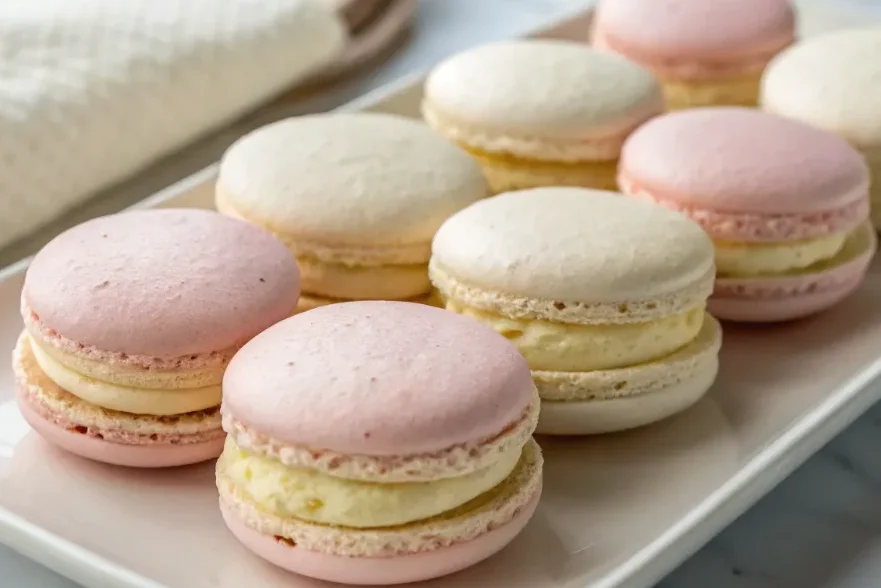
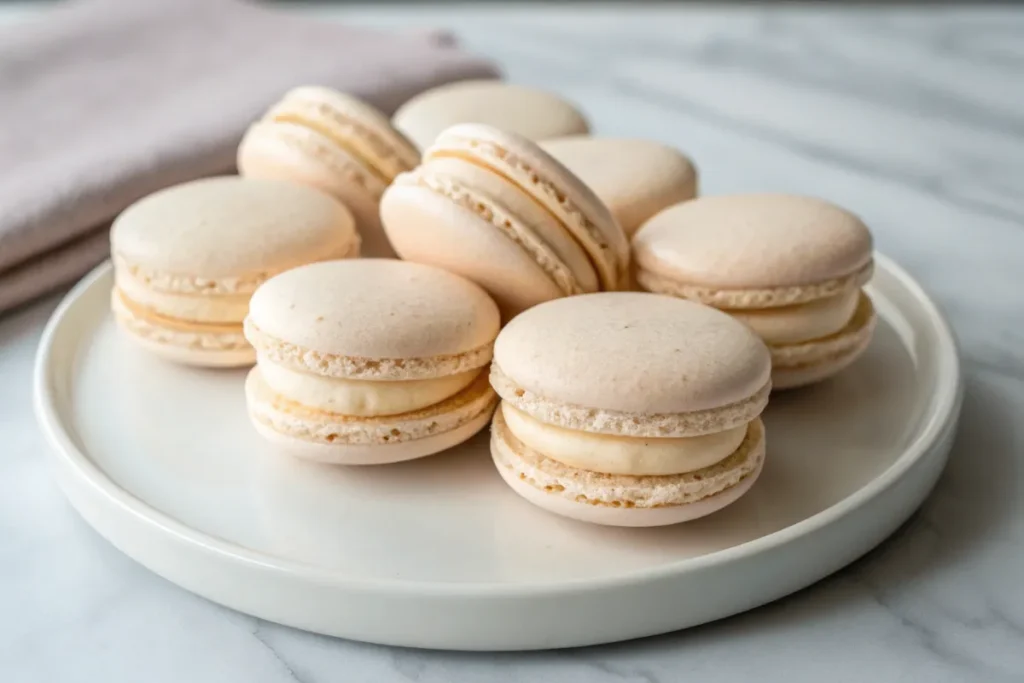
Buttercream macarons have crisp shells with smooth tops and defined feet. The buttercream filling is creamy, balanced, and not overly sweet. This recipe focuses on consistency and repeatable results. It is naturally gluten free and easily adaptable for different flavors and colors.
Nutrition Facts Table (Per One Filled Macaron)
Calories: 110
Carbohydrates: 14 g
Protein: 2 g
Fat: 5 g
Sugar: 12 g
Fiber: 1 g
Sodium: 20 mg
Step by Step Directions
Begin by lining two baking sheets with parchment paper or silicone mats. Prepare a piping bag fitted with a round tip and set aside.
Sift the almond flour and powdered sugar together into a large bowl. Do not skip this step. Any lumps will affect the final texture of the shells. Set aside.
In a clean, grease free mixing bowl, start whipping the egg whites on medium speed until foamy. Add the cream of tartar, then slowly add the granulated sugar while continuing to whip. Increase speed and whip until stiff, glossy peaks form. The meringue should hold its shape firmly but still look smooth and shiny.
Add gel food coloring if using, mixing gently just until incorporated.
Add the almond flour and powdered sugar mixture to the meringue in two additions. Using a spatula, fold gently, scraping around the bowl and through the center. This step is called macaronage. The goal is a batter that flows slowly like lava. When lifted, the batter should fall back into itself and disappear within about ten seconds.
Transfer the batter to the prepared piping bag. Pipe small, even circles onto the lined baking sheets, leaving space between each one. Tap the trays firmly on the counter several times to release air bubbles. Use a toothpick to pop any visible bubbles on the surface.
Let the piped shells rest at room temperature until a dry skin forms on top. This can take 30 to 45 minutes depending on humidity. The shells should not stick to your finger when lightly touched.
Preheat the oven to 300°F or 150°C. Bake one tray at a time for 14 to 16 minutes, rotating halfway through. The shells are done when they have developed feet and do not wobble when gently touched.
Allow the shells to cool completely before removing them from the parchment.
For the buttercream, beat the softened butter until light and creamy. Gradually add powdered sugar, mixing well after each addition. Add vanilla extract and cream, then beat until smooth and fluffy.
Match shell sizes and pipe a small amount of buttercream onto one shell. Top with another shell and gently press to sandwich.
For best texture, refrigerate the buttercream macarons for 24 hours before serving, then bring to room temperature.
Pro Tips
Always weigh your ingredients. Precision is everything with buttercream macarons. Use a kitchen scale for consistent results.
Humidity matters. If your kitchen is very humid, resting time may be longer. On rainy days, patience is your best tool.
Do not overmix the batter. Overmixed batter leads to flat shells without feet. Undermixed batter creates cracked tops. Watch the texture, not the clock.
Let the filled macarons mature. Freshly assembled buttercream macarons improve dramatically after resting overnight.
Why You Will Love This Recipe
Buttercream macarons feel luxurious but are completely achievable at home with the right guidance. This recipe delivers consistent results, balanced sweetness, and a professional finish. Once you master it, you can create endless flavor combinations for any occasion.
What Makes This Recipe Unique
This buttercream macarons recipe is built on real kitchen experience, not shortcuts. It focuses on technique, clarity, and confidence. Every step is intentional, designed to help home bakers understand not just what to do, but why it matters.
Frequently Asked Questions
Why did my macarons crack?
Cracked shells usually mean the shells were not rested long enough or the oven temperature was too high.
Can I freeze buttercream macarons?
Yes. Store them in an airtight container and freeze for up to two months. Thaw in the refrigerator, then bring to room temperature before serving.
Do I need aged egg whites?
Aging helps but is not mandatory. Fresh egg whites can work if whipped properly.
Why are my macarons hollow?
Hollow shells are often caused by overwhipped meringue or baking at too high a temperature.
You Will Also Love
Classic Vanilla French Macarons
Chocolate Ganache Filled Macarons
Lemon Buttercream Sandwich Cookies
Raspberry Almond Cookies
Conclusion
Buttercream macarons are proof that patience and precision pay off in the kitchen. With the right technique and a calm approach, these elegant cookies become a joy to make and share. Whether you are baking for a special event or simply challenging yourself as a home baker, this recipe will guide you every step of the way.
Don’t forget to share your creations with #BeesRecipes on Instagram. We can’t wait to see your delicious take on this Middle Eastern classic!