Homemade Crusty Panini Bread Recipe
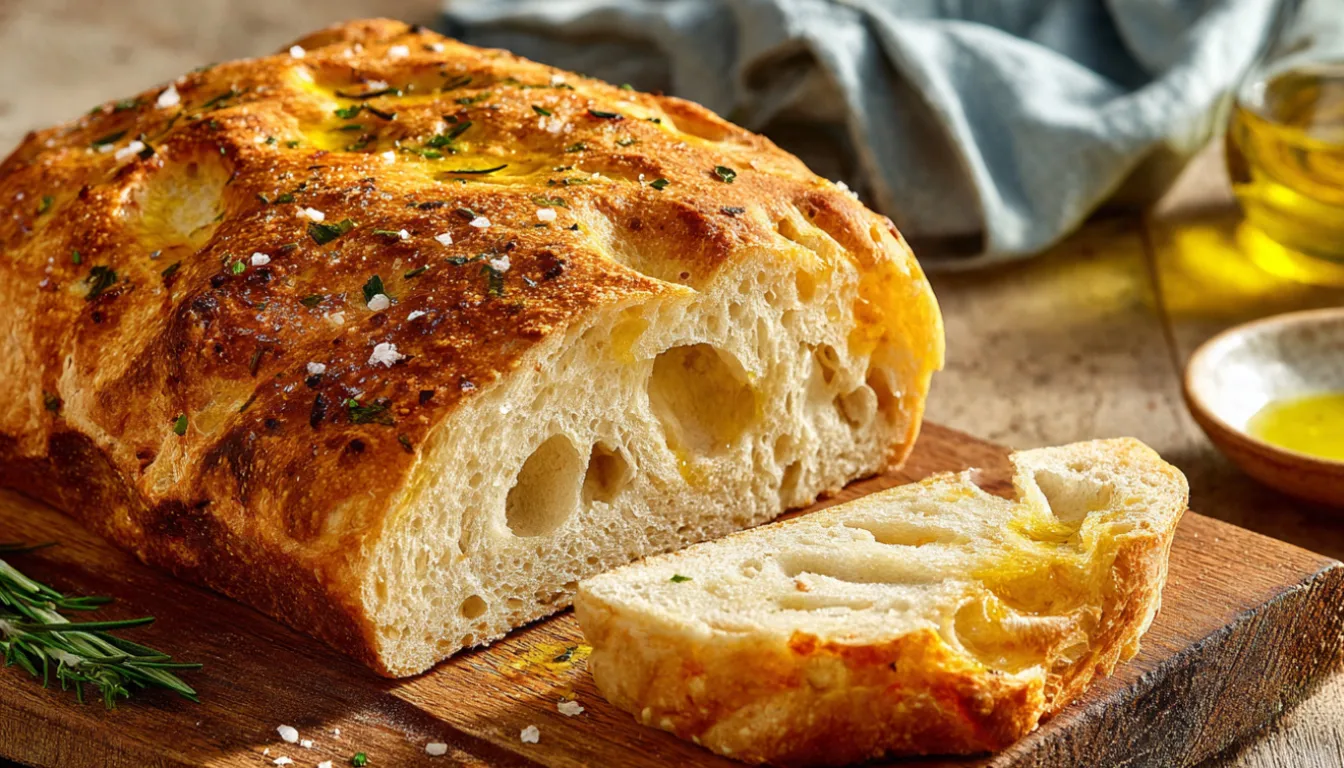
I spent years buying ciabatta from the store for panini sandwiches before realizing I was doing it wrong. Store-bought bread works fine, but homemade panini bread has this texture that’s genuinely different. Crispy outside, soft and slightly chewy inside, with those irregular air pockets that soak up olive oil and hold melted cheese without turning soggy.
This bread changed how I think about sandwiches. It’s simple to make, requires no special equipment, and the dough is forgiving even when you forget about it for an extra hour.
What Makes Good Panini Bread
Traditional panini bread sits somewhere between ciabatta and focaccia. It needs structure to hold fillings without falling apart, but also enough air pockets to crisp up properly in a panini press or grill pan. The crust should shatter slightly when you bite through it, not bend or tear.
The secret is a wet dough and a long, slow rise. I used to knead my bread for 10 minutes like recipes always said, but panini bread works better with minimal handling. You want gluten development without knocking out all those bubbles.
How to Store It
Fresh panini bread stays good at room temperature for 2 days wrapped in a clean kitchen towel. After that, slice and freeze it. Frozen slices go straight into the panini press without thawing, and they crisp up even better than fresh sometimes.
Don’t refrigerate this bread. The cold makes it stale faster than leaving it out.
Ingredients
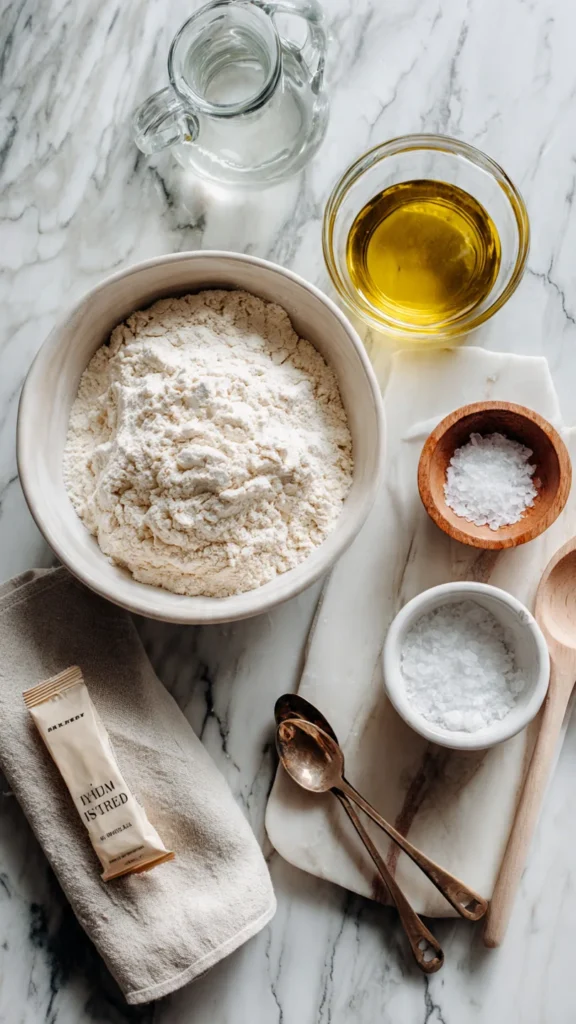
- 500g bread flour (or all-purpose if that’s what you have)
- 400ml warm water
- 7g instant yeast (one packet)
- 10g salt
- 2 tablespoons olive oil, plus more for the pan
- 1 teaspoon sugar
Instructions
- Mix the flour, yeast, and sugar in a large bowl. Add the warm water and stir with a wooden spoon until you have a shaggy, sticky dough. Let it sit for 10 minutes.
- Add the salt and olive oil. Mix again until everything is incorporated. The dough will be very sticky and wet. This is correct.
- Cover the bowl with plastic wrap or a damp towel. Let it rise at room temperature for 2 hours, or until doubled.
- After the first rise, wet your hands and fold the dough over itself a few times in the bowl. Don’t punch it down or knead it. Cover and let it rise another hour.
- Oil a baking sheet generously. Turn the dough onto it and gently stretch it into a rough rectangle about 1 inch thick. Don’t worry about making it perfect.
- Cover loosely and let it rise 30 more minutes while you preheat the oven to 220°C (425°F). If you have a baking stone or steel, put it in now.
- Dimple the top of the dough with your fingertips. Drizzle with a little more olive oil and sprinkle with flaky salt if you want.
- Bake for 25 to 30 minutes until deep golden brown. The internal temperature should reach about 95°C (200°F) if you check.
- Let it cool on a wire rack for at least 15 minutes before slicing. Cutting hot bread releases all the steam and makes it gummy.
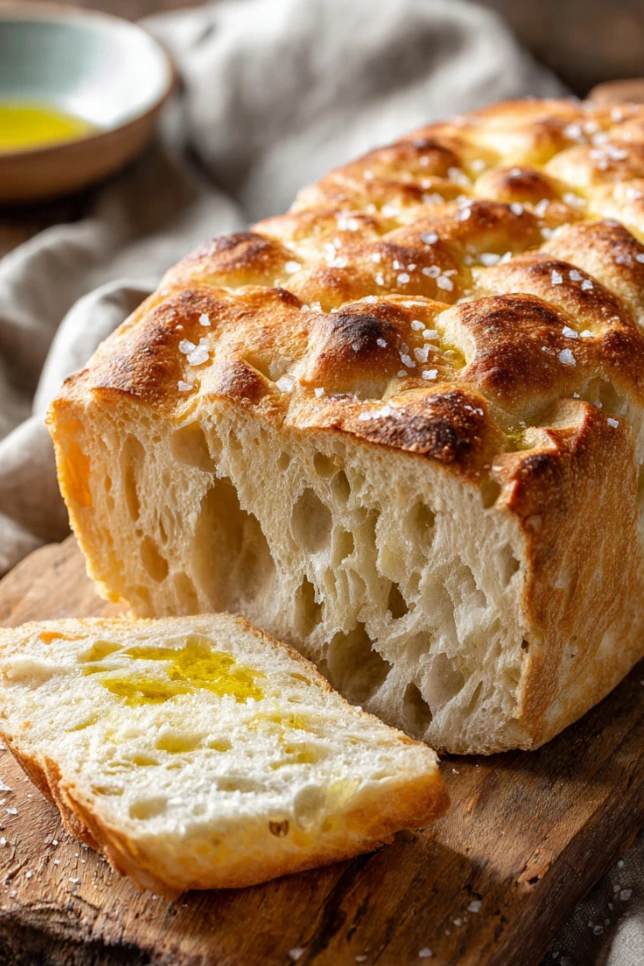
Notes: The dough is supposed to be sticky. Resist adding extra flour. If you want even bigger air pockets, let the dough cold rise overnight in the fridge instead of the 2-hour room temperature rise. Just bring it back to room temperature for an hour before shaping.
Homemade Crusty Panini Bread
Easy homemade panini bread with a crispy crust and soft, airy interior. Perfect for sandwiches or dipping.
Ingredients
- 500g bread flour (or all-purpose)
- 400ml warm water
- 7g instant yeast (one packet)
- 10g salt
- 2 tbsp olive oil, plus more for the pan
- 1 tsp sugar
Instructions
- Mix initial dough Mix the flour, yeast, and sugar in a large bowl. Add the warm water and stir with a wooden spoon until you have a shaggy, sticky dough. Let it sit for 10 minutes.
- Add salt and oil Add the salt and olive oil. Mix again until everything is incorporated. The dough will be very sticky and wet. This is correct.
- First rise Cover the bowl with plastic wrap or a damp towel. Let it rise at room temperature for 2 hours, or until doubled.
- Fold the dough After the first rise, wet your hands and fold the dough over itself a few times in the bowl. Don’t punch it down or knead it. Cover and let it rise another hour.
- Shape the loaf Oil a baking sheet generously. Turn the dough onto it and gently stretch it into a rough rectangle about 1 inch thick.
- Final rise and preheat Cover loosely and let it rise 30 more minutes while you preheat the oven to 220°C (425°F).
- Dimple and season Dimple the top of the dough with your fingertips. Drizzle with olive oil and sprinkle with flaky salt if desired.
- Bake Bake for 25 to 30 minutes until deep golden brown. Internal temperature should reach about 95°C (200°F).
- Cool before slicing Let it cool on a wire rack for at least 15 minutes before slicing.
Notes
The dough is supposed to be sticky. Resist adding extra flour. For bigger air pockets, let the dough cold rise overnight in the fridge instead of the 2-hour room temperature rise. Bring it back to room temperature for an hour before shaping. Store at room temperature wrapped in a towel for 2 days, or slice and freeze.