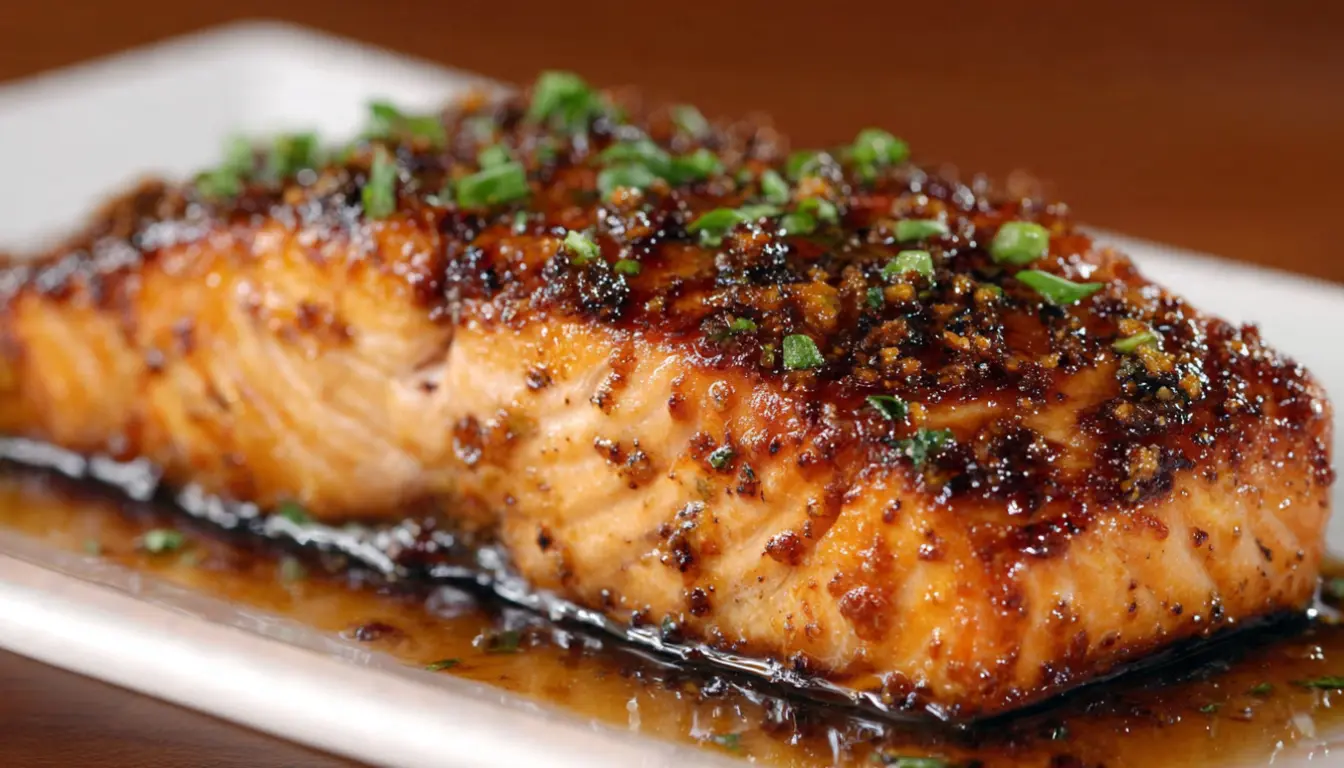
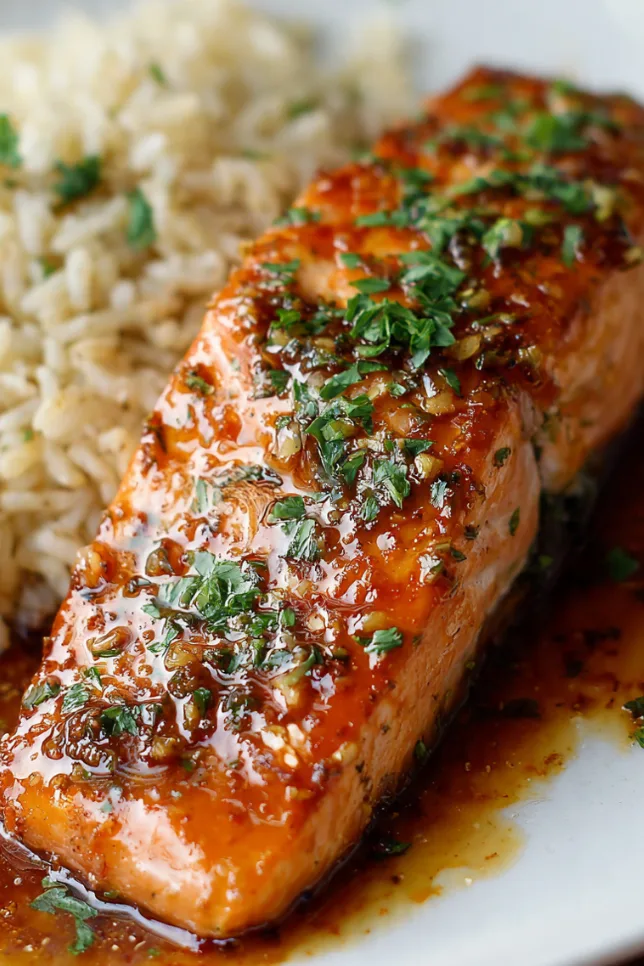
Easy Texas Roadhouse Salmon Recipe – Perfectly Glazed Salmon Fillet
You know that moment when you’re sitting at Texas Roadhouse, and the server brings out that perfectly glazed salmon fillet that’s crispy on the outside and butter-soft inside? I spent three years trying to recreate that exact flavor at home. Trust me, I went through some serious trial and error before I cracked the code.
The thing about restaurant salmon is it’s all about timing and temperature. I remember the first time I tried making this at home, I cranked up my cast iron skillet way too hot and ended up with salmon that was basically charcoal on the outside and raw in the middle. Not my finest moment. But here’s what I learned: you don’t need a commercial kitchen or fancy equipment to nail this recipe. Just a good understanding of heat control and the right glaze ratio.
What makes the Texas Roadhouse version so addictive is that sweet and savory glaze with just a hint of spice. It’s got brown sugar, butter, and a few secret ingredients that create this caramelized crust I can’t stop thinking about. And honestly? My homemade version tastes even better because you can control the sweetness level and adjust the heat to your liking.
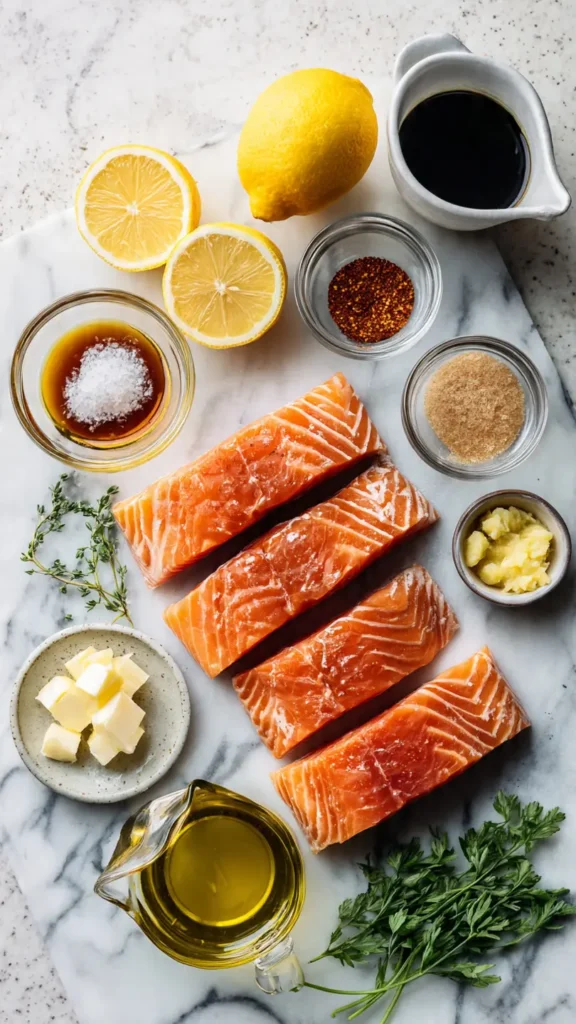
Essential Ingredients
For the Salmon:
- 4 salmon fillets (6 oz each, about 1 inch thick)
- 2 tablespoons olive oil
- 1 teaspoon kosher salt
- 1/2 teaspoon black pepper
- 1/2 teaspoon garlic powder
For the Glaze:
- 1/4 cup brown sugar (packed)
- 3 tablespoons unsalted butter
- 2 tablespoons honey
- 1 tablespoon soy sauce
- 1 tablespoon lemon juice
- 1 teaspoon Dijon mustard
- 1/2 teaspoon smoked paprika
- 1/4 teaspoon cayenne pepper (optional, for heat)
- 2 cloves garlic, minced
Alternative Ingredients
Look, I get it. Sometimes you open the fridge and you don’t have exactly what the recipe calls for. Here are some swaps that actually work:
Salmon alternatives: If wild-caught salmon is too pricey, farm-raised Atlantic salmon works perfectly fine. I’ve also made this with steelhead trout when salmon prices were crazy high last summer. Arctic char is another excellent substitute that holds up beautifully to the glaze.
Brown sugar substitutes: Regular white sugar mixed with a teaspoon of molasses gets you close. Coconut sugar works too, though it’ll give you a slightly different caramel flavor (not bad, just different).
Butter swaps: Ghee adds a nutty depth that’s actually pretty amazing. For dairy-free folks, I’ve used Earth Balance with good results, though you lose some of that rich butter flavor.
Honey alternatives: Maple syrup is my go-to backup. It creates a slightly different glaze texture but tastes fantastic. Agave nectar works in a pinch, though it’s a bit thinner.
Soy sauce: Coconut aminos for gluten-free or low-sodium needs. Tamari works great too. I keep both in my pantry for meal prep flexibility.
Step-by-Step Directions
Step 1: Prep Your Salmon
Take the salmon out of the fridge about 15 minutes before cooking. Cold fish straight from the fridge won’t cook evenly, and I learned this the hard way. Pat the fillets completely dry with paper towels. This is crucial because moisture is the enemy of that crispy seared crust we’re after.
Season both sides generously with salt, pepper, and garlic powder. Don’t be shy here. The seasoning helps create flavor and draws out moisture from the surface.
Step 2: Make the Glaze
In a small saucepan over medium heat, melt the butter. Add the minced garlic and cook for about 30 seconds until it’s fragrant but not browned. Burned garlic tastes bitter and ruins everything.
Add the brown sugar, honey, soy sauce, lemon juice, Dijon mustard, smoked paprika, and cayenne. Whisk everything together and let it simmer for 3-4 minutes until it thickens slightly. You’re looking for a consistency that coats the back of a spoon but isn’t syrupy. If you have a food processor, you can blend everything together for an ultra-smooth glaze, but whisking works just fine.
Remove from heat and set aside. The glaze will continue to thicken as it cools.
Step 3: Sear the Salmon
Here’s where things get real. Heat your cast iron skillet or heavy-bottomed non-stick pan over medium-high heat. Add the olive oil and let it heat until it shimmers but doesn’t smoke. If you see smoke, your pan is too hot.
Place the salmon fillets skin-side up in the pan (or presentation side down if your fillets are skinless). Don’t move them. I know it’s tempting to peek underneath, but resist. Let them cook undisturbed for 4-5 minutes. You’ll see the edges start to turn opaque and the bottom will develop a golden crust.
Step 4: Flip and Glaze
Carefully flip the fillets using a fish spatula (those thin, slotted ones are worth every penny). Immediately brush a generous amount of glaze over the top of each fillet. Cook for another 3-4 minutes.
Here’s my pro move: after the second side has cooked for about 2 minutes, add another layer of glaze. The heat caramelizes the sugars and creates that restaurant-quality finish.
Step 5: Finish in the Oven (Optional)
If you’re working with thicker fillets (over 1 inch), I like to finish them in a 400°F oven for 2-3 minutes. This ensures the center is perfectly cooked without over-searing the outside. For meal prep purposes, this method also makes it easier to cook multiple batches at once.
Step 6: Rest and Serve
Remove the salmon from heat and let it rest for 2-3 minutes. This lets the juices redistribute. Brush with any remaining glaze and serve immediately.
Pro Tips
After making this recipe probably 50 times (seriously, my family requests it constantly), here’s what I’ve learned:
Temperature matters more than time. Invest in an instant-read thermometer if you don’t have one. Salmon is perfectly done at 125°F for medium-rare or 135°F for medium. Anything over 145°F and you’re in dry, sad salmon territory.
Don’t overcrowd your pan. If you’re making this for more than four people, work in batches. Crowding drops the pan temperature and you’ll end up steaming instead of searing. Not the vibe we’re going for.
The glaze can burn quickly. Keep an eye on it during the final minutes. If it starts to look too dark, reduce your heat or move the pan to a cooler burner.
Make extra glaze. I always double the glaze recipe because it’s fantastic on everything. Store it in meal prep containers and use it on chicken, pork, or even roasted vegetables.
Skin-on vs. skinless. I actually prefer skin-on fillets. If you sear the skin side properly in your cast iron skillet, it gets incredibly crispy and adds amazing texture. Just start skin-side down and get it super crispy before flipping.
Air fryer adaptation. Yes, you can make this in an air fryer. Cook at 400°F for 7-8 minutes, brushing with glaze halfway through. It won’t have quite the same caramelized crust, but it’s a solid weeknight shortcut.
Frequently Asked Questions
How do I know when salmon is fully cooked?
Salmon is done when it flakes easily and reaches 125°F to 135°F internally.
Can I make this salmon without a cast iron skillet?
Yes, any heavy pan works as long as heat is controlled properly.
Can I bake instead of sear the salmon?
Yes, bake at 400°F and glaze during cooking for similar results.
Is this recipe spicy?
No, spice level is adjustable depending on cayenne use.
How long can I store leftover salmon?
Keep it refrigerated in an airtight container for up to 3 days.
Recipe Info
| Detail | Information |
|---|---|
| Prep Time | 10 minutes |
| Cook Time | 12 minutes |
| Total Time | 22 minutes |
| Servings | 4 servings |
| Yield | 4 salmon fillets |
| Cuisine | American |
| Course | Main Dish |
| Difficulty | Easy |
Why You’ll Love This Recipe
This isn’t just another salmon recipe cluttering up your recipe box. It’s genuinely special because it delivers restaurant-quality results without the restaurant prices or the need to change out of your sweatpants.
The glaze is incredibly versatile. I’ve used it on grilled chicken thighs, pork chops, and even as a dipping sauce for sweet potato fries. It keeps in the fridge for up to two weeks, making it perfect for meal prep Sunday sessions.
Plus, salmon is packed with omega-3 fatty acids, protein, and nutrients. This recipe makes healthy eating actually taste indulgent. My kids don’t even realize they’re eating fish because the glaze is that good.
The whole thing comes together in under 25 minutes, which means it’s realistic for weeknight dinners. I’ve made this after long workdays when I barely had the energy to stand upright, and it still turned out great.
What Makes This Recipe Unique
Most copycat recipes get the glaze wrong. They’re either too sweet or missing that depth of flavor you get from the real thing. The secret weapon here is the combination of Dijon mustard and smoked paprika. The mustard adds tang and helps emulsify the glaze, while the smoked paprika brings that subtle smokiness that makes people ask, “Did you grill this?”
The technique also sets this apart. Starting with a screaming hot cast iron skillet and finishing with a cooler pan (or the oven) prevents the dreaded overcooked-outside, undercooked-inside situation.
I also add lemon juice to the glaze, which most copycat recipes skip. It cuts through the richness and keeps the whole dish from feeling too heavy. Trust me on this one.
Key Features
Quick and Easy: 22 minutes from start to finish. No complicated techniques or hard-to-find ingredients.
Budget-Friendly: Salmon can be pricey, but making it at home still costs way less than ordering it at a restaurant. Plus, you get four generous portions instead of one.
Meal Prep Friendly: The glaze stores beautifully, and you can cook multiple batches of salmon in advance. Reheat gently in a non-stick pan or eat it cold on salads (seriously delicious).
Customizable Heat Level: Adjust the cayenne to your preference. I like a little kick, but my husband prefers zero spice, so I often leave it out and let people add hot sauce at the table.
Impressive Presentation: This looks fancy enough for dinner parties but easy enough for Tuesday night.
Nutritious: High in protein, omega-3s, and vitamin D. It’s a genuinely healthy dinner option that doesn’t taste like diet food.
Nutrition Facts
| Nutrient | Per Serving |
|---|---|
| Calories | 385 |
| Total Fat | 22g |
| Saturated Fat | 7g |
| Cholesterol | 105mg |
| Sodium | 580mg |
| Total Carbohydrates | 18g |
| Dietary Fiber | 0g |
| Sugars | 17g |
| Protein | 32g |
| Vitamin D | 45% DV |
| Omega-3 Fatty Acids | 2.2g |
Nutritional information is approximate and based on a 6 oz salmon fillet with glaze. Values may vary depending on specific ingredients used.
You’ll Also Love
If you’re into this flavor profile, you need to try my Honey Garlic Glazed Chicken. It uses a similar technique but works great in meal prep containers for the whole week.
My Asian-Inspired Salmon Bowl takes this same glaze concept but serves it over rice with edamame and pickled vegetables. Perfect for a healthy lunch option.
For side dishes, I always serve this with roasted asparagus or garlic mashed potatoes. Both pair beautifully with the sweet and savory glaze.
Conclusion
Look, I’ve been cooking professionally for over a decade, and this recipe is in my top five most-requested dishes. It’s the one I make when I want to impress without stressing.
The beauty of this Texas Roadhouse copycat is that once you nail the technique, you can experiment. Add a splash of bourbon to the glaze. Try it with different types of fish. Use it on vegetables. The possibilities are endless.
The key is not overthinking it. Get your cast iron skillet nice and hot, don’t flip the salmon too early, and trust the process. You’ll have restaurant-quality salmon on your table faster than you could drive to Texas Roadhouse and wait for a table.
And here’s my final piece of advice: make this on a weeknight when you’re tired and tempted to order takeout. It’s so quick and satisfying that you’ll actually want to cook instead of reaching for your phone. That’s the real magic of a great recipe.
Happy cooking, and let me know how it turns out. I love hearing about your kitchen wins (and learning from your creative variations).
Easy Texas Roadhouse Salmon Recipe
Perfectly seared salmon topped with a rich sweet-savory glaze that caramelizes beautifully.
Ingredients
- 4 salmon fillets
- 2 tbsp olive oil
- Salt, pepper, garlic powder
- Brown sugar, butter, honey
- Soy sauce, lemon juice, Dijon mustard
- Smoked paprika, cayenne, garlic
Instructions
- Season and prep salmon
- Prepare glaze
- Sear salmon
- Flip and glaze
- Finish cooking
- Rest and serve