Healthy and Nutritious Eating: A Practical Guide to Fueling Your Body the Right Way
Introduction
After spending more than a decade working in professional kitchens and writing about food, one truth has become very clear to me: health starts on your plate. Not with extreme diets, not with food trends that disappear every six months, but with consistent, nutritious choices that support your body every single day.
Healthy and nutritious eating is often misunderstood. Many people think it means bland meals, strict rules, or cutting out everything they enjoy. That is simply not true. Real nutrition is about balance, quality ingredients, and understanding how food works for your body, not against it.
This article breaks down what healthy and nutritious eating truly means, why it matters, and how you can apply it in a realistic, sustainable way.
What Does Healthy and Nutritious Eating Really Mean?
Healthy and nutritious eating is not about perfection. It is about providing your body with the nutrients it needs to function at its best.
A nutritious diet includes
Whole foods instead of heavily processed ones
A balance of carbohydrates, proteins, and healthy fats
Adequate vitamins, minerals, and fiber
Proper hydration
Mindful portion sizes
From a chef’s perspective, nutritious food should also be enjoyable. Food is meant to be eaten with pleasure, not guilt. When meals taste good, people stick with healthy habits long term.
Why Nutrition Is the Foundation of Good Health
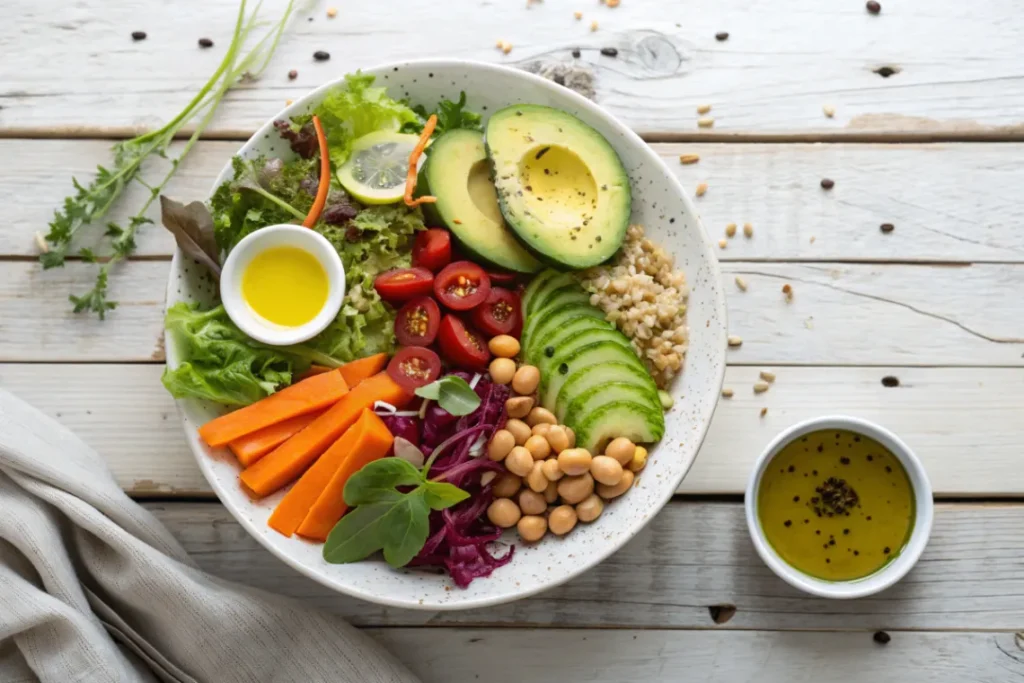
Food affects almost every system in the body. Over the years, I have seen how small dietary changes can create powerful results.
Proper nutrition helps
Support steady energy levels throughout the day
Strengthen the immune system
Improve digestion and gut health
Maintain a healthy weight naturally
Support heart and brain function
Improve mood and mental clarity
Poor nutrition, on the other hand, often leads to fatigue, cravings, inflammation, and long-term health problems. The goal is not restriction, but nourishment.
The Building Blocks of a Nutritious Diet
Whole Carbohydrates
Carbohydrates are not the enemy. The key is choosing the right ones.
Healthy carbohydrate sources include
Whole grains like oats, quinoa, and brown rice
Fruits and vegetables
Legumes such as lentils and beans
These foods provide fiber, which supports digestion and keeps you full longer.
Quality Protein
Protein is essential for muscle repair, hormone production, and satiety.
Nutritious protein sources include
Fish and seafood
Eggs
Lean poultry
Legumes and beans
Nuts and seeds
A balanced intake of protein helps stabilize blood sugar and reduce overeating.
Healthy Fats
Fats are crucial for brain health, hormone balance, and nutrient absorption.
Focus on
Olive oil
Avocados
Nuts and seeds
Fatty fish
Avoid trans fats and overly processed oils whenever possible.
The Importance of Micronutrients
Vitamins and minerals may be needed in smaller amounts, but their impact is huge.
Iron supports oxygen transport in the blood
Calcium strengthens bones and teeth
Magnesium supports muscle and nerve function
Vitamin C boosts immunity
B vitamins support energy production
Eating a wide variety of colorful foods is the easiest way to cover your micronutrient needs naturally.
Fiber: The Overlooked Nutrient
One of the biggest issues I see in modern diets is a lack of fiber.
Fiber supports
Healthy digestion
Stable blood sugar
Cholesterol management
Longer-lasting fullness
Vegetables, fruits, whole grains, legumes, nuts, and seeds should appear daily on your plate.
Hydration and Its Role in Nutrition
Nutrition is not only about food. Hydration plays a critical role in overall health.
Water helps
Transport nutrients
Regulate body temperature
Support digestion
Improve concentration
Many people mistake thirst for hunger, leading to unnecessary snacking. Drinking enough water throughout the day is one of the simplest health improvements you can make.
Common Myths About Healthy Eating
Myth 1: Healthy food is expensive
Simple whole foods like beans, eggs, seasonal vegetables, and grains are some of the most affordable options available.
Myth 2: You must eliminate entire food groups
Unless medically necessary, extreme restriction often leads to imbalance and burnout.
Myth 3: Healthy eating means no comfort food
Nutritious eating includes enjoyment. The difference is balance and portion control, not elimination.
How to Build a Healthy Plate
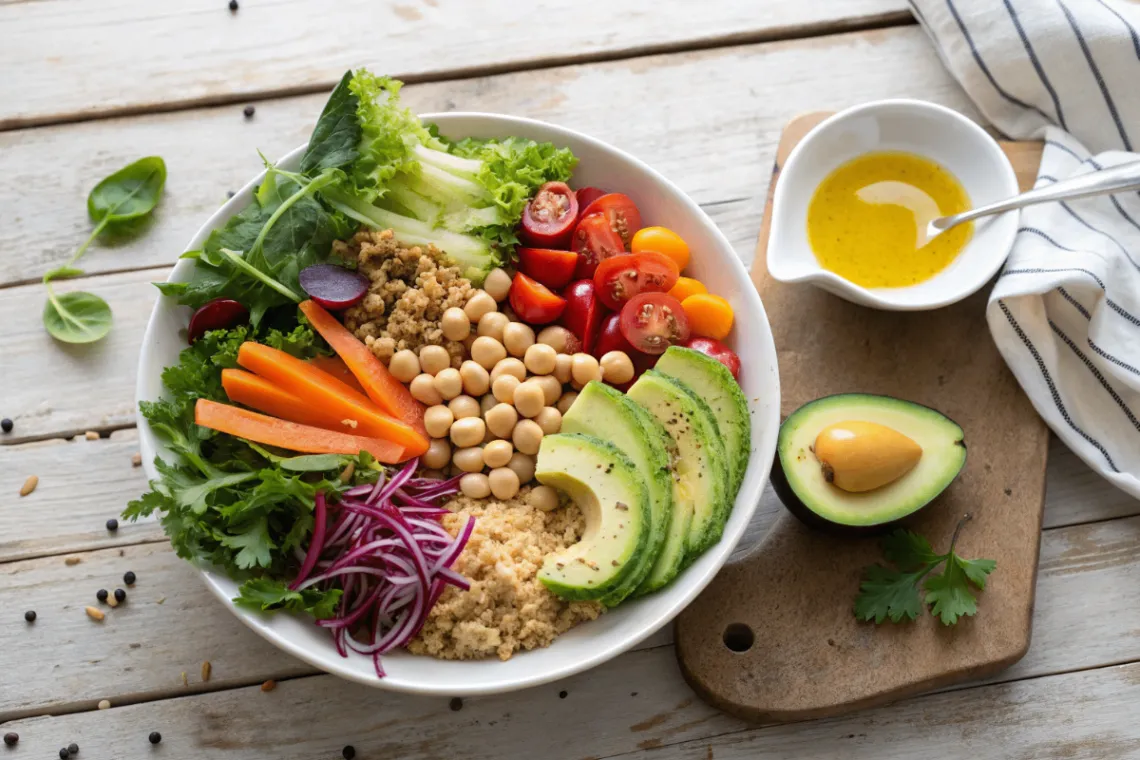
A simple rule I teach is the balanced plate method.
Half the plate with vegetables
One quarter with quality protein
One quarter with whole carbohydrates
Add healthy fats in moderation
This approach works across cuisines and cultures and is easy to maintain.
Healthy Eating for Long-Term Success
Consistency matters more than perfection. One nutritious meal will not fix everything, and one indulgent meal will not ruin your health.
Focus on
Progress, not extremes
Cooking more at home
Reading ingredient labels
Listening to hunger cues
From my experience, the people who succeed long term are those who build habits they can actually enjoy.
Frequently Asked Questions
Is healthy eating the same for everyone?
No. Nutritional needs vary based on age, activity level, and health conditions.
Do I need supplements?
Whole foods should always come first. Supplements are useful only when there is a specific deficiency.
Can healthy food still taste good?
Absolutely. Flavor comes from quality ingredients, proper seasoning, and smart cooking techniques.
Is it okay to enjoy treats?
Yes. A healthy lifestyle includes flexibility and enjoyment.
Conclusion
Healthy and nutritious eating is not about rules, fear, or restriction. It is about respecting your body with better choices most of the time.
After ten years as a chef and food blogger, I have learned that real health comes from balance, knowledge, and consistency. When you understand food, you gain control, confidence, and freedom in the kitchen.
Start simple. Choose real ingredients. Eat with intention. Your body will thank you for it.
Don’t forget to share your creations with #BeesRecipes on Instagram. We can’t wait to see your delicious take on this Middle Eastern classic!