Homemade Fluffy Cake Recipe
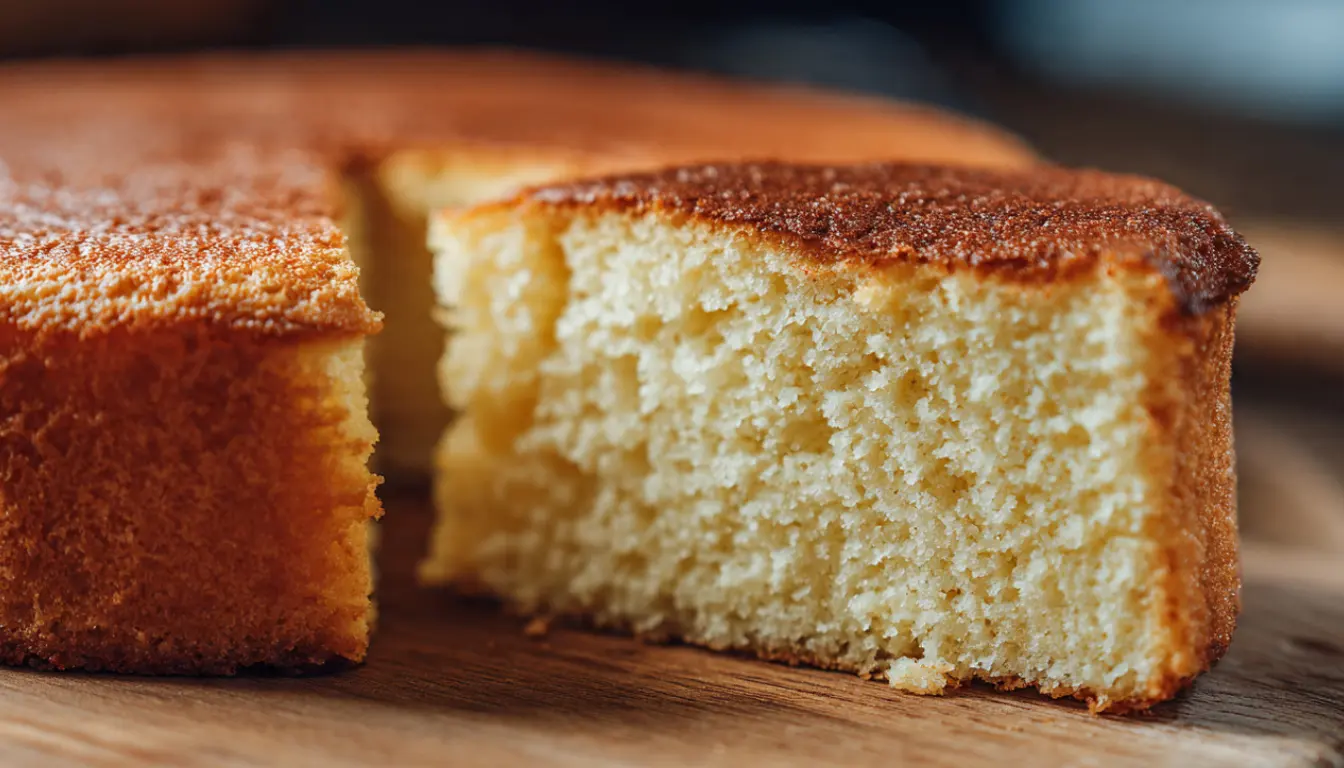
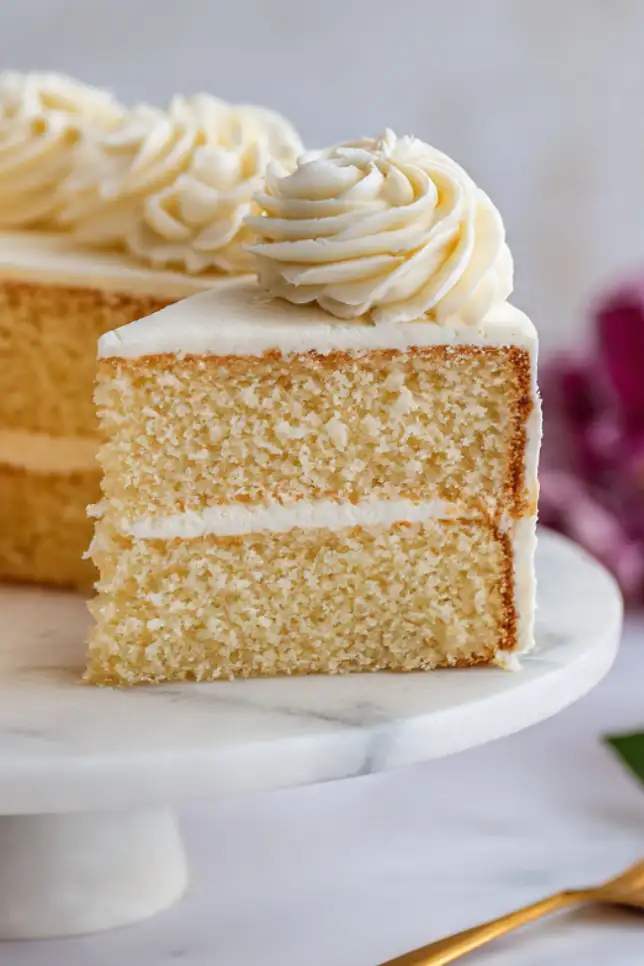
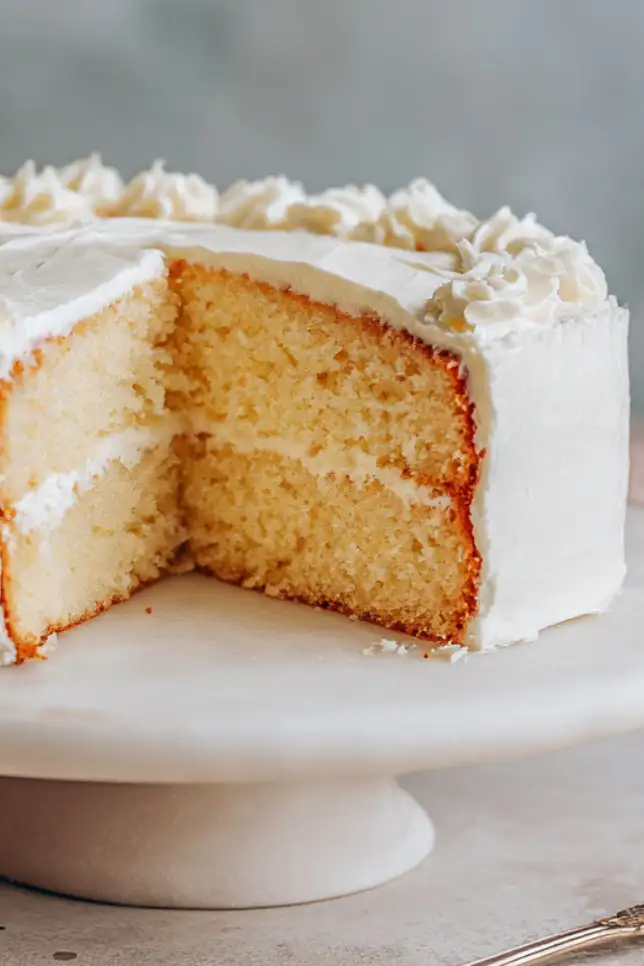
There’s nothing quite like slicing into a perfectly fluffy cake that practically melts on your tongue. After ten years of baking, I’ve finally mastered the art of creating that cloud-like texture everyone craves. This homemade fluffy cake recipe delivers bakery-quality results every single time, and you don’t need fancy equipment to make it happen.
I still remember my first attempt at making a fluffy cake. It came out dense, heavy, and honestly resembled a hockey puck more than dessert. But through years of testing, adjusting oven temperatures, and learning the science behind cake structure, I’ve developed a foolproof method that works whether you’re using a basic hand mixer or a KitchenAid stand mixer.
Essential Ingredients
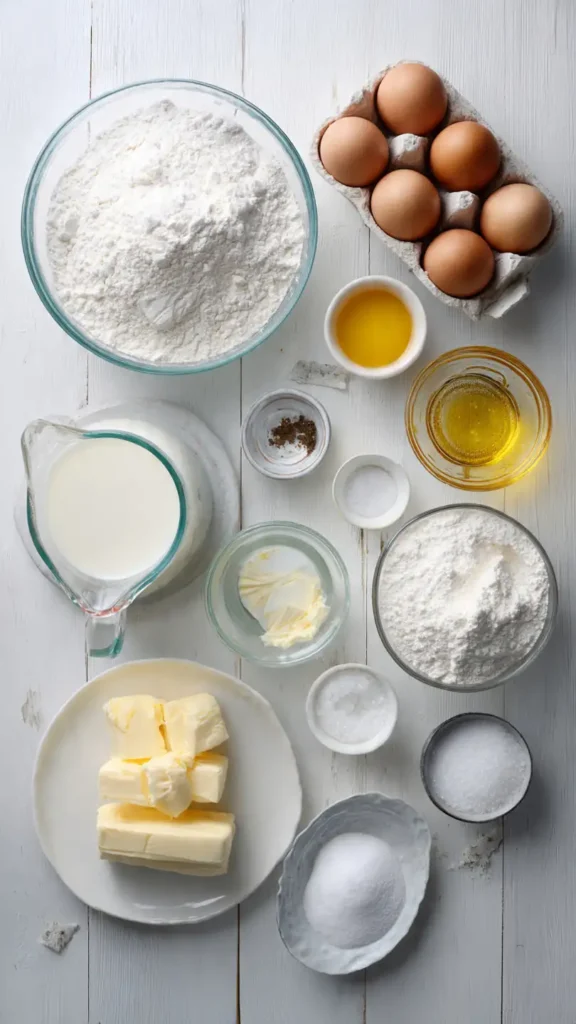
- 2 cups all-purpose flour
- 1 ½ cups granulated sugar
- ½ cup unsalted butter, softened to room temperature
- 1 cup whole milk, at room temperature
- 3 large eggs, at room temperature
- 2 ½ teaspoons baking powder
- ½ teaspoon salt
- 2 teaspoons pure vanilla extract
- ¼ cup vegetable oil or canola oil
Alternative Ingredients
One thing I’ve learned over the years is that flexibility makes you a better baker. If you’re out of whole milk, you can substitute with 2% milk or even a mixture of half-and-half and water. The cake will still turn out beautifully fluffy.
For a dairy-free version, use plant-based butter and almond milk or oat milk. I’ve tested this substitution dozens of times, and the texture remains impressively light. If you’re avoiding eggs, you can use a commercial egg replacer, though I’ll be honest, the results won’t be quite as fluffy. The eggs provide crucial structure and lift.
Some bakers swear by cake flour instead of all-purpose flour, and while it does create an even more delicate crumb, it’s not necessary for achieving that signature fluffiness. I use all-purpose flour 90% of the time and get perfect results.
Step-by-Step Directions
1. Prepare Your Baking Setup
Preheat your oven to 350°F (175°C). This temperature is crucial because too hot and your cake will dome and crack, too cool and it won’t rise properly. Grease two 9-inch round cake pans with butter or non-stick spray, then line the bottoms with parchment paper. This double insurance prevents sticking every time.
2. Cream the Butter and Sugar
In a large mixing bowl, beat the softened butter and sugar together using an electric mixer on medium speed for about 4-5 minutes. This step is absolutely critical for fluffiness. You’re incorporating air into the batter, which creates those tiny air pockets that make the cake light. The mixture should look pale, fluffy, and almost doubled in volume. If you’re using a stand mixer, this is where it really shines and makes the job effortless.
3. Add Eggs One at a Time
Beat in the eggs one at a time, mixing well after each addition. I learned the hard way that dumping all the eggs in at once can cause the batter to curdle or become greasy. Add the vanilla extract with the last egg. The batter might look slightly curdled at this point, but don’t panic. It’ll come together beautifully in the next step.
4. Combine Dry Ingredients
In a separate bowl, whisk together the flour, baking powder, and salt. This ensures the leavening agent is evenly distributed throughout the flour, which means even rising and no pockets of baking powder flavor.
5. Alternate Wet and Dry
Here’s where technique matters. Add the flour mixture in three additions, alternating with the milk in two additions. Start and end with flour. Mix on low speed just until combined after each addition. The pattern goes: flour, milk, flour, milk, flour. This method prevents overmixing and keeps the batter tender.
6. Add the Oil
Gently fold in the vegetable oil with a spatula. The oil adds moisture and keeps the cake soft for days. I discovered this trick after eating a slice of cake that stayed moist even on day three. The secret was that small amount of oil working alongside the butter.
7. Divide and Bake
Divide the batter evenly between your prepared pans. I use a kitchen scale to ensure each pan gets exactly the same amount, which means even layers. Tap the pans gently on the counter a few times to release any air bubbles.
Bake for 25-30 minutes, or until a toothpick inserted in the center comes out clean or with just a few moist crumbs. The tops should spring back when lightly pressed. Don’t open the oven door for at least 20 minutes, or you risk the cakes collapsing.
8. Cool Properly
Let the cakes cool in the pans for 10 minutes, then turn them out onto a wire rack to cool completely. This cooling method prevents soggy bottoms while ensuring the cakes don’t stick to the pans.
Pro Tips
After baking hundreds of cakes, I’ve picked up tricks that make a real difference. First, room temperature ingredients are non-negotiable. Cold eggs and milk create a denser batter because the butter seizes up. I set everything out about an hour before baking.
If you’re storing leftover cake, invest in good quality meal prep containers or an airtight cake keeper. A well-stored cake stays fresh for up to five days. I slice leftover cake and freeze individual pieces in freezer bags, then they’re ready whenever a craving hits.
For even more flavor, try adding a tablespoon of sour cream to the batter. It adds moisture and a subtle tang that makes people ask, “What’s your secret ingredient?”
When measuring flour, use the spoon-and-level method rather than scooping directly from the bag. Scooping packs the flour and can lead to a dry, dense cake. Spoon the flour into your measuring cup, then level it off with a knife.
Frequently Asked Questions
Why is my cake not fluffy?
Overmixing, cold ingredients, or improper creaming can make the cake dense.
Can I make this cake ahead of time?
Yes, store baked layers in the fridge for up to 2 days.
Can I use milk alternatives?
Yes, almond or oat milk works perfectly.
How do I keep my cake moist?
Use oil and store it properly in an airtight container.
Can I bake this as a sheet cake?
Yes, bake in a 9×13 pan for 35 to 40 minutes.
Why You’ll Love This Recipe
This isn’t just another vanilla cake recipe floating around the internet. The combination of butter and oil creates a texture that’s both fluffy and moist. The butter provides flavor and structure, while the oil keeps the cake from drying out.
You’ll love how forgiving this recipe is. Even if your oven runs slightly hot or cool, the cake still turns out well. And unlike some finicky cake recipes that require precise timing, this one gives you a decent window for perfect doneness.
The flavor is classic and versatile, which means it pairs with absolutely any frosting or filling you can imagine. I’ve topped this cake with everything from simple buttercream to cream cheese frosting to fresh fruit and whipped cream.
What Makes This Recipe Unique
Most fluffy cake recipes rely heavily on cake flour and don’t include oil. This recipe breaks those rules and still delivers exceptional results. The technique of alternating wet and dry ingredients, combined with proper creaming of butter and sugar, creates a crumb structure that’s incredibly tender.
I developed this recipe specifically to be achievable with basic kitchen equipment. You don’t need a fancy food processor or expensive springform pan. A couple of basic round cake pans from any kitchen supply store and a hand mixer are all you need.
Another unique aspect is the ratio of ingredients. Many recipes use more sugar or less flour, but after extensive testing, I found this balance creates the perfect level of sweetness and the ideal cake-to-frosting ratio when you stack layers.
Key Features
Light and Airy Texture: The extended creaming time and alternating method create maximum fluffiness without requiring any special ingredients.
Stays Moist for Days: The addition of oil means this cake doesn’t dry out overnight like butter-only cakes often do.
Beginner-Friendly: The instructions are straightforward and the recipe is forgiving of small variations in technique or timing.
Versatile Base: This cake works beautifully for birthdays, weddings, or casual weeknight desserts. Frost it simply or go elaborate with your decorating.
Reliable Results: Whether you’re baking at sea level or high altitude (with minor adjustments), this recipe delivers consistent results.
You’ll Also Love
If this fluffy cake won recipe won your heart, try my Classic Vanilla Buttercream for the perfect frosting pairing. The smooth, creamy texture complements the light cake beautifully.
For chocolate lovers, my Double Chocolate Layer Cake uses a similar technique but swaps in cocoa powder for incredibly moist results.
And if you’re planning ahead for meal planning purposes, my Freezer-Friendly Desserts Guide shows you how to batch-bake and store cakes for up to three months.
Conclusion
Making a truly fluffy cake at home isn’t about fancy ingredients or professional equipment. It’s about understanding the science behind creaming butter and sugar, using room temperature ingredients, and not overmixing your batter. These fundamentals apply whether you’re using a basic hand mixer or a high-end stand mixer.
After a decade of baking, I can tell you that this recipe has become my absolute go-to whenever I need a reliable, delicious cake. It’s saved me on last-minute birthday celebrations and impressed guests at dinner parties. The best part? It gets easier every time you make it.
So grab your mixing bowl and give this recipe a try. I think you’ll be amazed at how something so simple can deliver such professional results. And once you master this basic fluffy cake, you’ll have the confidence to tackle any cake recipe that comes your way.
Happy baking, and here’s to creating memories one fluffy slice at a time!
Homemade Fluffy Cake
Light, airy, and perfectly moist cake made with simple ingredients and a foolproof method.
Ingredients
- 2 cups all-purpose flour
- 1 1/2 cups sugar
- 1/2 cup butter
- 1 cup milk
- 3 eggs
- 2 1/2 tsp baking powder
- 1/2 tsp salt
- 2 tsp vanilla
- 1/4 cup oil
Instructions
- Preheat oven and prepare pans.
- Cream butter and sugar until fluffy.
- Add eggs one at a time.
- Mix dry ingredients separately.
- Alternate adding flour and milk.
- Fold in oil.
- Bake for 25-30 minutes.
- Cool completely before serving.
Notes
Use room temperature ingredients for best texture. Do not overmix batter to keep the cake light and fluffy.