Mexican Salsa Recipe: Fresh Restaurant-Style Salsa in 10 Minutes
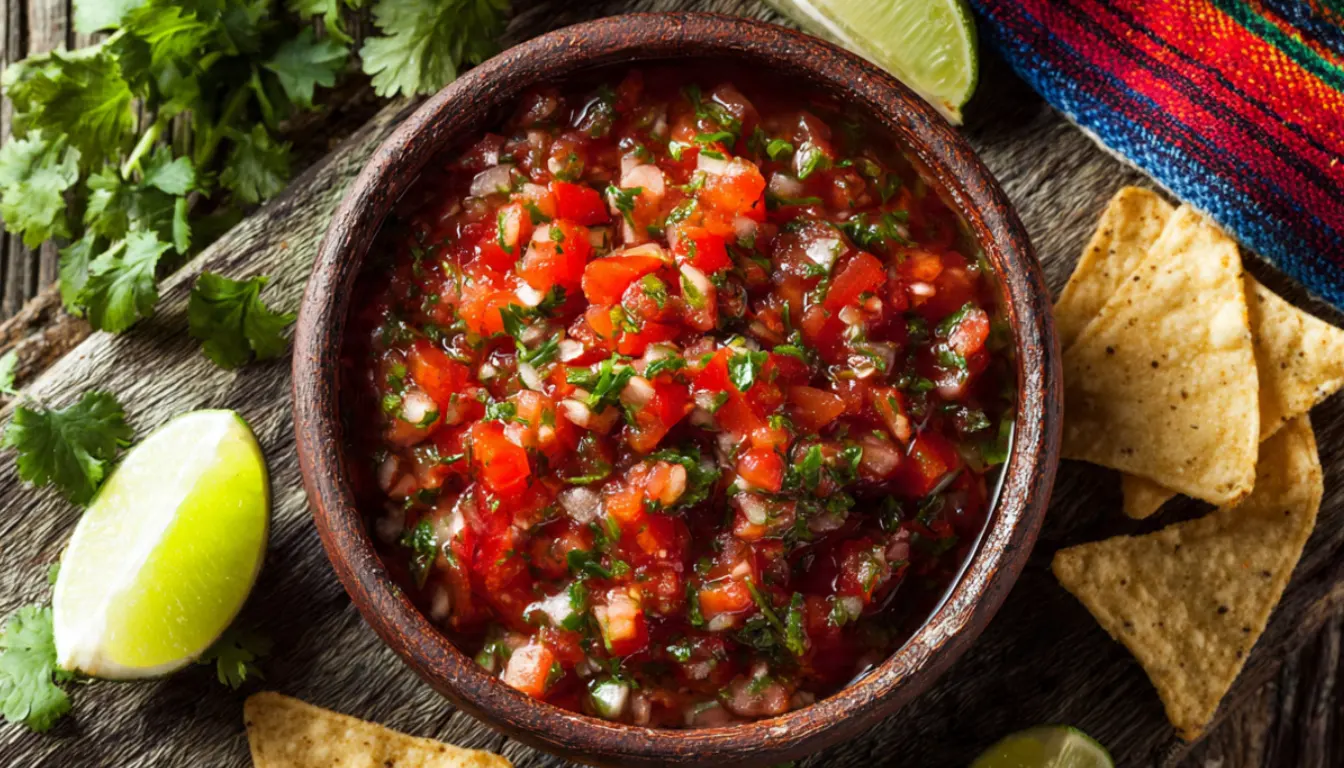
If you’ve ever wondered why restaurant salsa tastes so much better than the jarred stuff, I’m about to share the secret I learned during my culinary training in Mexico City. The difference isn’t complicated techniques or exotic ingredients. It’s all about using fresh tomatoes, the right balance of heat, and a quick pulse in your food processor instead of over-blending everything into mush.
I spent years making mediocre salsa before I figured out the trick. My biggest mistake? Using a regular blender and turning my tomatoes into tomato soup. Once I switched to my Cuisinart food processor and learned to pulse instead of puree, everything changed. This authentic Mexican salsa takes 10 minutes from start to finish, and you can adjust the spice level to match your preference perfectly.
Essential Ingredients
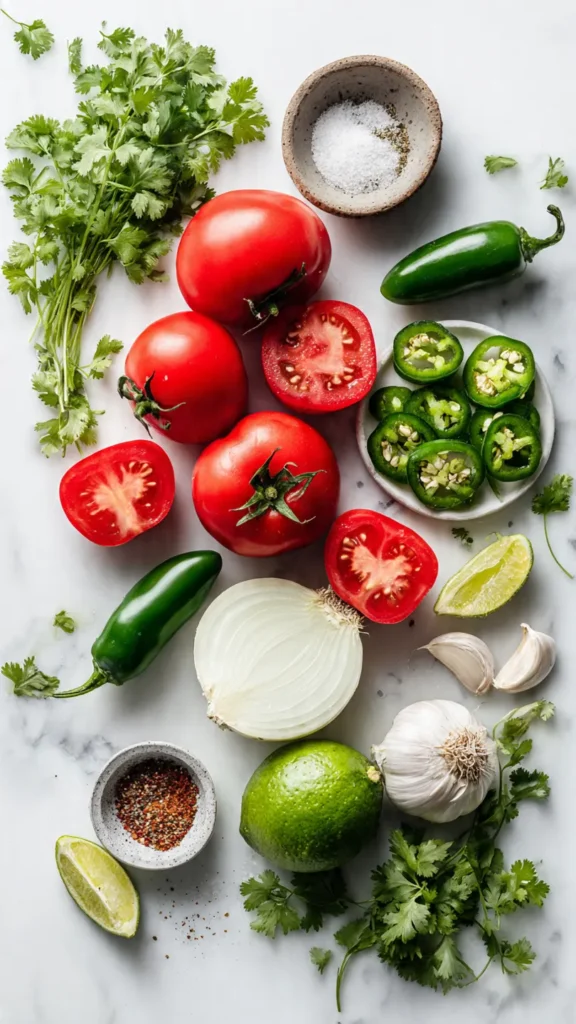
- 6 medium roma tomatoes (about 1.5 pounds)
- 1/2 white onion, roughly chopped
- 2 jalapeño peppers (adjust for heat preference)
- 3 cloves fresh garlic
- 1/2 cup fresh cilantro leaves and stems
- 2 tablespoons fresh lime juice
- 1 teaspoon salt (kosher or sea salt works best)
- 1/2 teaspoon ground cumin (optional but authentic)
Alternative Ingredients
Not all tomatoes are created equal for salsa. Roma tomatoes give you the best consistency because they have less water and more flesh than regular slicing tomatoes. But if you can only find regular tomatoes, just squeeze out some of the seeds and juice before chopping.
For the peppers, you have options. Serrano peppers will give you more heat than jalapeños, while poblano peppers add a mild, smoky flavor without much spice. I keep a jar of pickled jalapeños in my pantry for those times when fresh peppers aren’t available. Just drain them well and reduce the salt in the recipe since pickled peppers are already salty.
Can’t stand cilantro? You’re not alone. About 10% of people have a genetic variation that makes cilantro taste like soap (you can read more about this on Wikipedia’s cilantro page). Try substituting fresh parsley or even a handful of fresh oregano leaves instead.
Step-by-Step Directions
Step 1: Prepare Your Tomatoes Cut the roma tomatoes into quarters. If they’re particularly juicy, squeeze out some of the seeds and liquid over the sink. This step prevents watery salsa, which was my nemesis for years until a Mexican grandmother taught me this trick.
Step 2: Roast the Vegetables (Optional but Game-Changing) For deeper flavor, char your tomatoes, onion, and jalapeños under the broiler for 5-7 minutes until they get black spots. This adds a smoky quality that makes people think you spent hours cooking. I do this whenever I have an extra 10 minutes. If you skip this step, your salsa will still taste great, just a bit brighter and more raw-tasting.
Step 3: Combine in Food Processor Toss everything into your food processor. Add the tomatoes, onion, peppers (remove seeds for less heat), garlic, cilantro, lime juice, salt, and cumin. If you’re using a high-powered blender like a Vitamix, be extra careful not to over-blend. A food processor gives you more control over the texture.
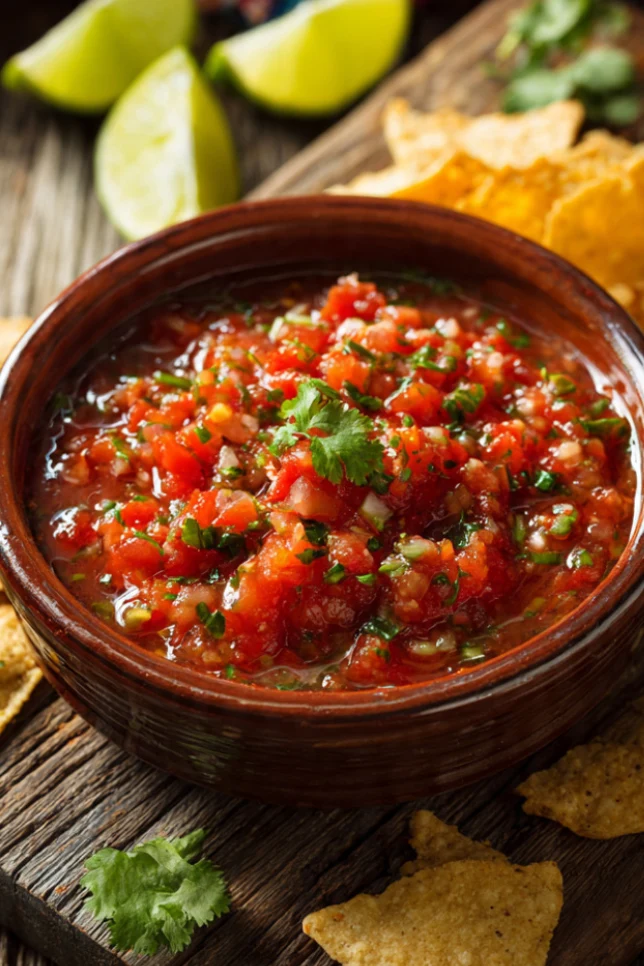
Step 4: Pulse to Your Preferred Texture Here’s the critical part. Pulse 3-4 times for chunky salsa, 6-8 times for medium, or 10-12 times for smooth. Between pulses, scrape down the sides with a spatula. The goal is chopped vegetables suspended in tomato liquid, not tomato puree with vegetable specks.
Step 5: Taste and Adjust After blending, taste your salsa. It should punch you with bright acidity, balanced salt, and just enough heat. Add more lime juice if it tastes flat, more salt if it tastes bland, or more jalapeño if you want more kick. I usually let mine sit for 10 minutes before the final taste test because the flavors meld together during that time.
Step 6: Rest Before Serving Transfer to a bowl or airtight container and refrigerate for at least 30 minutes. This resting time is optional but makes a noticeable difference. The flavors marry together and the salsa thickens slightly as it chills.
Pro Tips
Control the Heat: The seeds and white membranes inside peppers contain most of the capsaicin (the compound that makes peppers spicy, as explained on Wikipedia). Remove them for mild salsa, leave half for medium heat, or keep everything for maximum fire.
Invest in Good Storage: I learned this the expensive way after ruining three batches of salsa in cheap plastic containers that absorbed the onion smell. Glass meal prep containers with airtight lids keep salsa fresh for up to 5 days without any weird plastic taste or smell transfer.
Make It Ahead: This salsa actually tastes better the next day after the flavors have time to develop. I make a double batch every Sunday as part of my weekly meal prep routine. It goes on everything from scrambled eggs to grilled chicken throughout the week.
Drain Before Serving: If your salsa looks watery after sitting in the fridge, just pour off the excess liquid that settles at the bottom. This happens naturally as tomatoes release more juice over time.
Frequently Asked Questions
Can I use canned tomatoes?
Absolutely. When fresh tomatoes aren’t in season, fire-roasted canned tomatoes work very well. Use a 28-ounce can and drain it before blending. They often provide deeper flavor than winter tomatoes. Adjust the salt because canned tomatoes may already contain sodium.
How long does homemade salsa last?
Fresh homemade salsa usually keeps for 5 to 7 days when stored in an airtight container in the refrigerator. If you notice mold, an unusual smell, or heavy separation, discard it. For longer storage, freeze the salsa in small portions using ice cube trays or freezer containers.
Why is my salsa watery?
Watery salsa usually happens when tomatoes contain too much liquid, when the salsa is over-blended, or when canned tomatoes are not drained properly. You can fix it by straining some liquid or adding a tablespoon of tomato paste to thicken the mixture.
Can I make this spicier?
Yes. Add extra jalapeños, keep the seeds and membranes, or include a habanero pepper for stronger heat. You can also mix in a pinch of cayenne pepper or a few drops of your favorite hot sauce.
Recipe Info Table
| Aspect | Details |
|---|---|
| Prep Time | 10 minutes |
| Cook Time | 0 minutes (7 minutes if roasting) |
| Total Time | 10 minutes (plus 30 minutes chilling) |
| Servings | 8 servings (about 3 cups) |
| Yield | 3 cups |
Why You’ll Love This Recipe
This isn’t some watered-down version of Mexican salsa. It’s the real deal, the kind you get at authentic taquerías in Mexico. I love that I can make it in less time than it takes to drive to the store, and it costs about $3 compared to $6 for a tiny jar of decent salsa.
The best part? You control everything. Too spicy? Add more tomatoes. Not spicy enough? Toss in another pepper. Want it smokier? Roast the vegetables. Prefer it chunky? Pulse less. This recipe adapts to your taste instead of forcing you to adapt to it.
What Makes This Recipe Unique
Most salsa recipes online either turn your food processor into a blender and create tomato soup, or they tell you to hand-chop everything like you’re training for a cooking competition. This recipe finds the middle ground with a quick pulse method that gives you restaurant-quality texture without the knife work.
The roasting step is optional but transforms this from good salsa to incredible salsa. I learned this technique from a street vendor in Oaxaca, Mexico who charred her vegetables over an open flame. You get that same smoky depth using your oven’s broiler in under 10 minutes.
Key Features
- Ready in 10 minutes with minimal cleanup
- Adjustable spice level for everyone from kids to heat seekers
- Uses simple ingredients you probably already have
- No cooking required unless you want the roasted version
- Costs a fraction of store-bought restaurant-style salsa
- Perfect for meal prep and makes great gifts
- Works with both fresh and canned tomatoes
Nutrition Facts Table
Per serving (about 6 tablespoons):
| Nutrient | Amount |
|---|---|
| Calories | 25 |
| Total Fat | 0.2g |
| Sodium | 295mg |
| Total Carbohydrates | 5g |
| Dietary Fiber | 1.5g |
| Sugars | 3g |
| Protein | 1g |
| Vitamin C | 15mg (25% DV) |
| Vitamin A | 850 IU (17% DV) |
Note: Nutrition facts are estimates based on standard ingredients. Values may vary based on specific products used.
You’ll Also Love
If this salsa hits the spot, try these other recipes that pair perfectly:
- Homemade Guacamole (Another 10-minute recipe that’s way better than store-bought)
- Crispy Baked Tortilla Chips (The perfect vehicle for this salsa)
- Chicken Fajitas (Top with this salsa for authentic flavor)
- Black Bean and Corn Salad (Great side dish for taco night)
Conclusion
Making restaurant-quality salsa at home isn’t complicated once you know the tricks. Use fresh roma tomatoes when possible, pulse instead of puree, and don’t be afraid to roast your vegetables for extra flavor. The investment in a decent food processor pays for itself after just a few batches when you consider what restaurants charge for chips and salsa.
I make this salsa at least twice a month now, and I’ve converted dozens of friends who swore they could never make anything as good as their favorite Mexican restaurant. Trust me, you can. The secret was never some complicated technique or hard-to-find ingredient. It was just knowing when to stop pulsing that food processor.
What’s your favorite way to use fresh salsa? Let me know in the comments below, and don’t forget to rate this recipe if you try it!
Mexican Salsa Recipe
Fresh, authentic restaurant-style salsa in 10 minutes
Ingredients
- 6 medium roma tomatoes (about 1.5 pounds)
- 1/2 white onion, roughly chopped
- 2 jalapeño peppers
- 3 cloves fresh garlic
- 1/2 cup fresh cilantro leaves and stems
- 2 tbsp fresh lime juice
- 1 tsp salt (kosher or sea salt)
- 1/2 tsp ground cumin (optional)
Instructions
- Prepare tomatoes Cut roma tomatoes into quarters. If particularly juicy, squeeze out some seeds and liquid over the sink to prevent watery salsa.
- Roast vegetables (optional) For deeper flavor, char tomatoes, onion, and jalapeños under the broiler for 5-7 minutes until they get black spots.
- Combine ingredients Add all ingredients to food processor: tomatoes, onion, peppers (remove seeds for less heat), garlic, cilantro, lime juice, salt, and cumin.
- Pulse to texture Pulse 3-4 times for chunky salsa, 6-8 times for medium, or 10-12 times for smooth. Scrape down sides between pulses.
- Taste and adjust Taste and add more lime juice if flat, more salt if bland, or more jalapeño for extra heat. Let sit 10 minutes for flavors to meld.
- Chill before serving Transfer to airtight container and refrigerate for at least 30 minutes. Flavors improve as salsa chills.
Pro Tips
Remove jalapeño seeds for mild salsa, keep half for medium heat, or leave all seeds for maximum spice. Use glass meal prep containers for storage to avoid plastic taste. Salsa tastes even better the next day after flavors develop. If watery after refrigeration, simply pour off excess liquid before serving.