Low-Calorie Vegetarian Recipes That Actually Fill You Up
I went vegetarian for exactly three weeks back in 2019. Not because I wanted to save the planet or anything noble like that. I just wanted to see if cutting meat would help me break through a weight loss plateau.
Spoiler: it did. But not because meat is bad. It’s because I finally started paying attention to vegetables.
That experiment changed how I cook. Now about half my weekly meals are vegetarian, and honestly? Some of them are my family’s favorites. My husband doesn’t even complain anymore. Progress.
This article is part of our comprehensive guide on Low-Calorie Weight Loss Recipes. If you’re looking for the full collection of calorie-conscious recipes, start there.
Why Vegetarian Works for Weight Loss
Here’s the thing about plant-based meals. They’re naturally lower in calories because vegetables have more volume and less density than meat. You can eat a huge plate of roasted vegetables for 200 calories. Try doing that with steak.
But there’s a catch. And I learned this the hard way.
Not all vegetarian food is low calorie. Cheese pizza is vegetarian. So are french fries. And that coconut curry I made last month with a full can of coconut milk? Let’s just say I didn’t check the calories until after I’d had two servings.
The key is building meals around vegetables and legumes, not just removing meat and hoping for the best. You need protein. You need fiber. And you need actual flavor or you’ll be face-first in a bag of chips by 9pm.
My Go-To Low-Calorie Vegetarian Meals
These are the recipes I make on rotation. Nothing fancy. Just good food that keeps me full without wrecking my calorie budget.
Cauliflower Fried Rice (180 calories per serving)
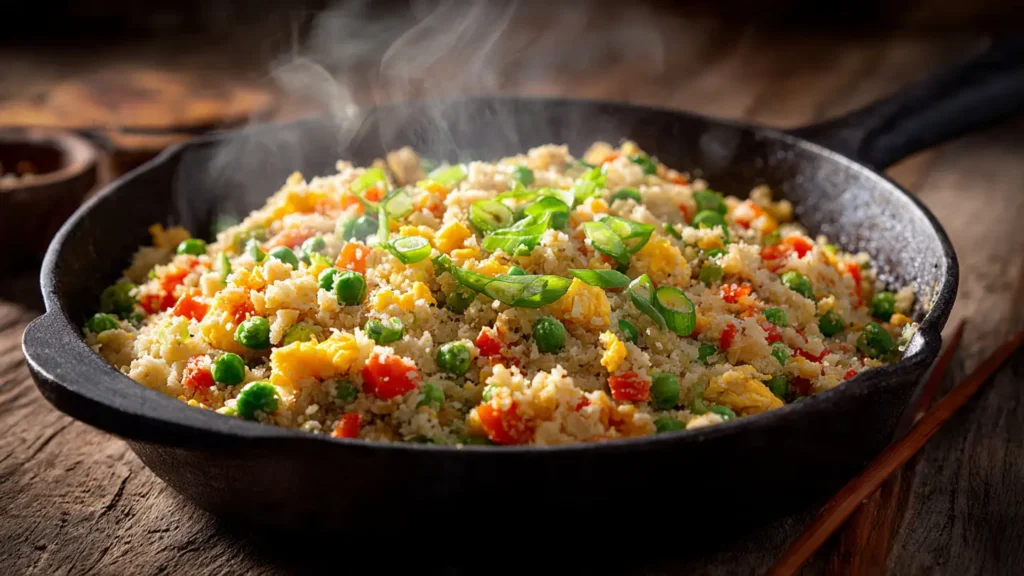
I make this almost every week. Riced cauliflower, whatever vegetables are in my fridge, eggs, soy sauce, and a little sesame oil. Takes 15 minutes.
The trick is getting the cauliflower dry before you cook it. Squeeze it in a kitchen towel. Otherwise you get mush instead of rice texture. Nobody wants cauliflower mush.
If you’re into quick meals, check out our Low-Calorie Recipes for Busy Weeknights for more ideas like this one.
Stuffed Bell Peppers with Black Beans (245 calories each)
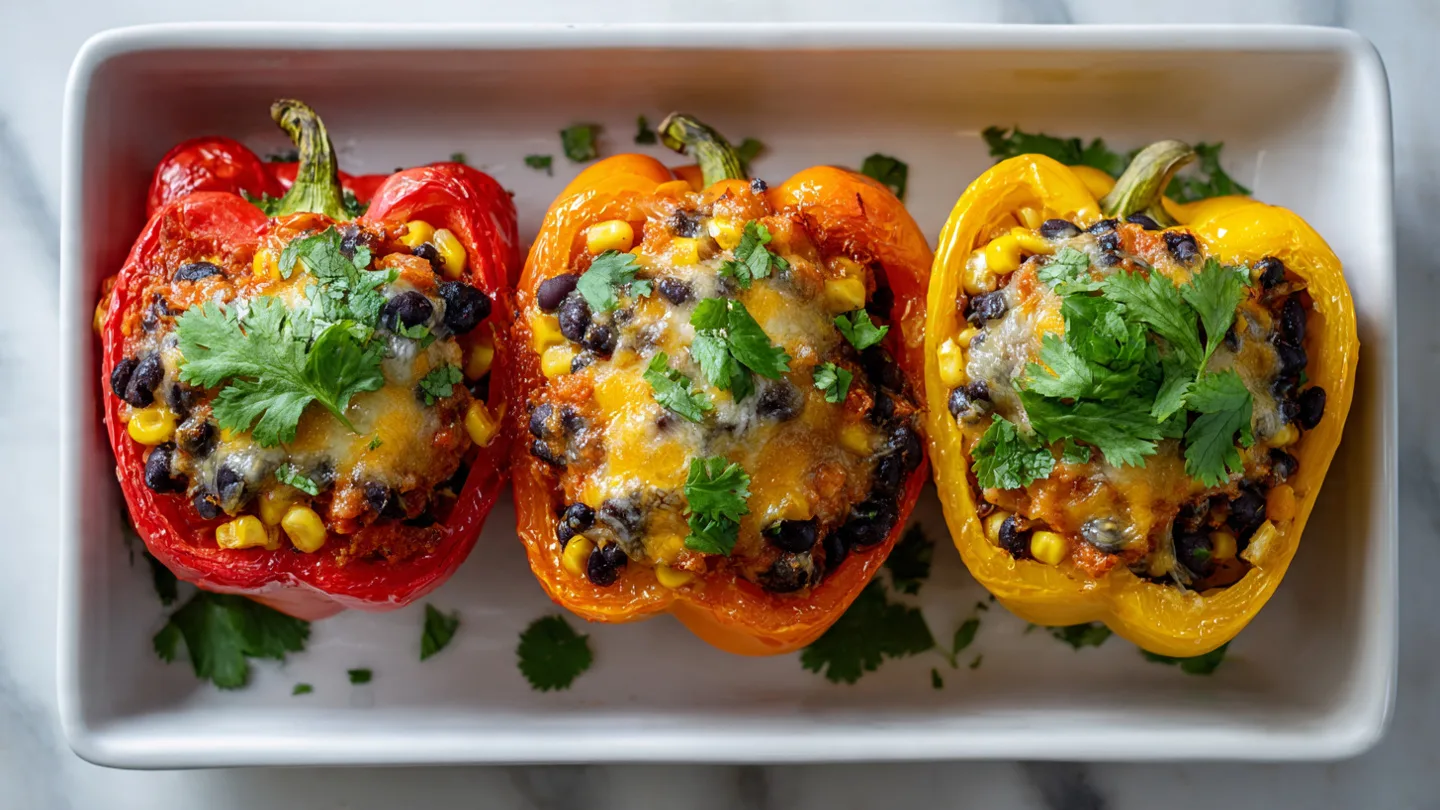
These look impressive but they’re stupidly easy. Hollow out bell peppers, fill with a mixture of black beans, corn, tomatoes, and spices. Bake until the peppers are soft.
I add a tiny bit of cheese on top because I’m not a monster. But even with cheese, you’re looking at under 300 calories for a meal that feels substantial.
Zucchini Noodles with Marinara (165 calories)
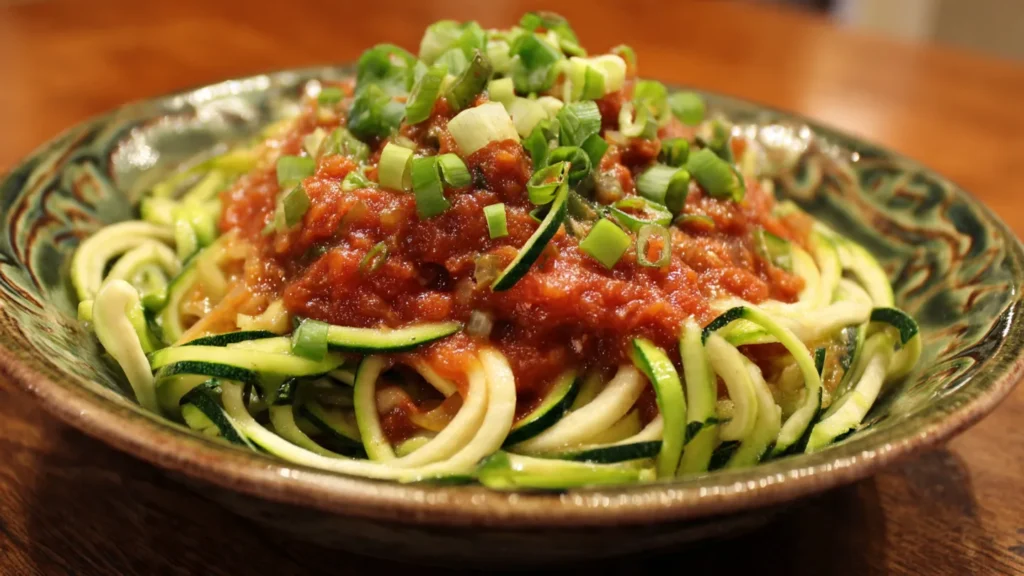
Look, I resisted the zucchini noodle trend for years. It felt too… trendy. But then I actually tried them and now I understand what all the fuss was about.
They don’t taste like pasta. Let’s be clear. But they’re a great vehicle for sauce, and you can eat a massive bowl without guilt. I use jarred marinara when I’m lazy and homemade when I’m feeling ambitious. Both work.
For more pasta swaps, our Low-Calorie Pasta Alternatives page has tons of options.
Lentil Soup (210 calories per bowl)
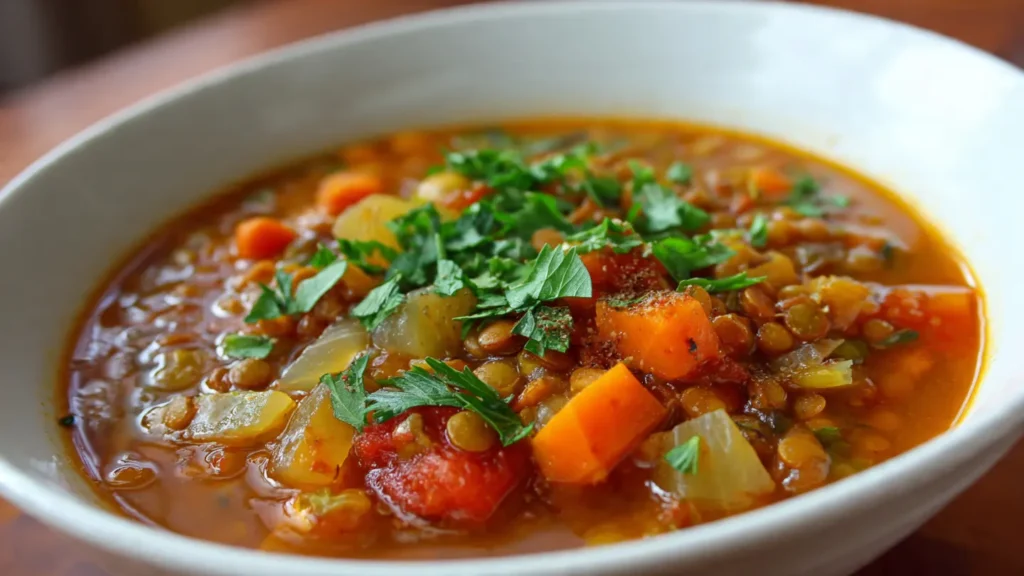
This is my winter staple. Lentils, carrots, celery, onion, garlic, vegetable broth. Simple ingredients, incredible results.
One batch makes enough for a week of lunches. I portion it into containers on Sunday and grab one each morning. Meal prep doesn’t have to be complicated.
Speaking of soups, we have an entire collection of Low-Calorie Soup Recipes if that’s your thing.
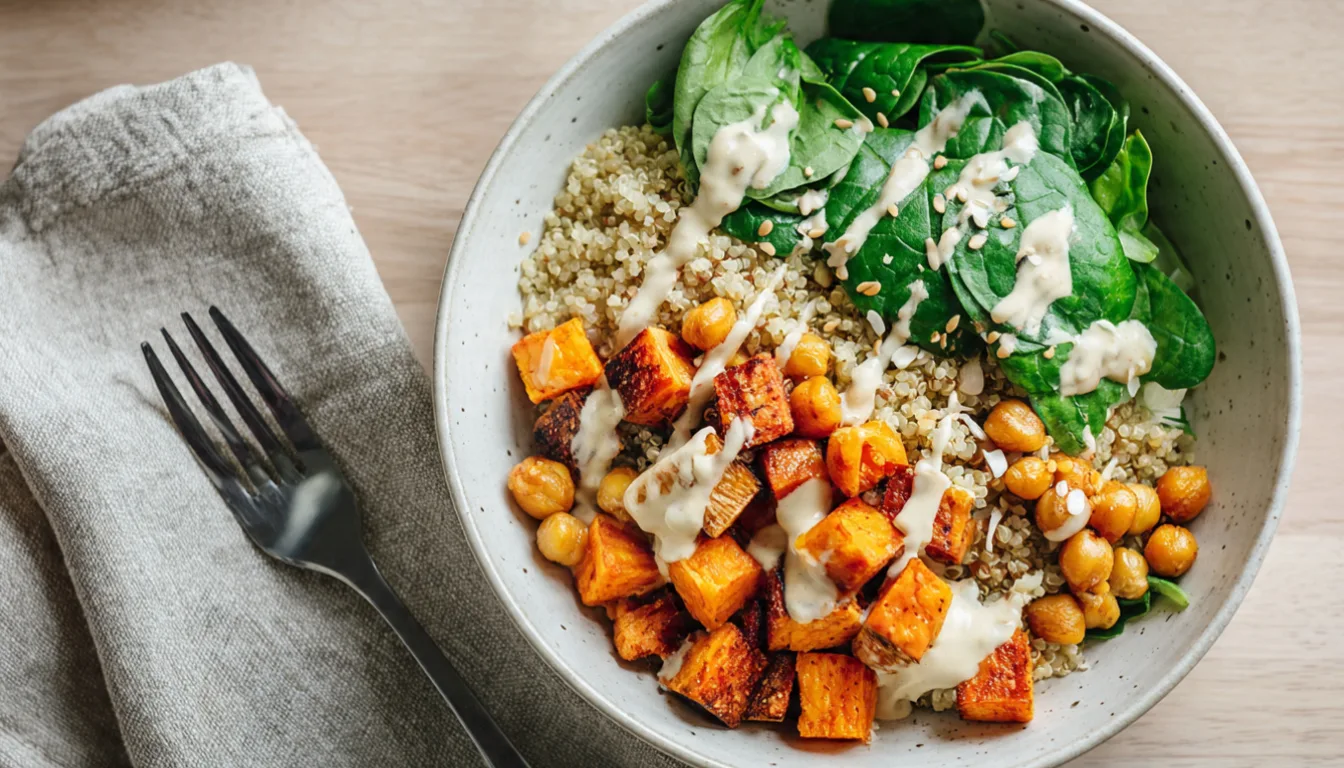
Buddha Bowls (varies, usually 300-400 calories)
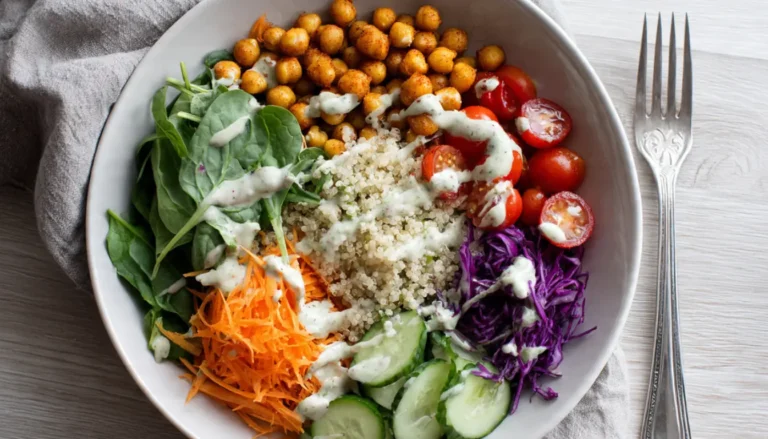
I know “Buddha bowl” sounds pretentious. But it’s really just a bowl with grains, vegetables, and some kind of protein. The beauty is you can customize based on what you have.
My usual combo: quinoa, roasted sweet potato, chickpeas, spinach, and tahini dressing. Sometimes I add pickled onions because they make everything better.
Tips for Making Vegetarian Meals More Filling
Protein is your friend. Beans, lentils, chickpeas, tofu, tempeh, eggs. Pick at least one for every meal or you’ll be hungry an hour later.
Fat matters too. A drizzle of olive oil or a quarter of an avocado adds calories, sure. But it also adds satisfaction. I’d rather eat 50 extra calories and feel full than save those calories and raid the pantry at midnight.
Fiber is the secret weapon. Vegetables, whole grains, legumes. They take longer to digest, which means you stay full longer. This is why a salad with chickpeas keeps you going but a salad with just lettuce leaves you wanting a snack.
Frequently Asked Questions
Can I lose weight on a vegetarian diet?
Absolutely. A vegetarian diet can support weight loss when it focuses on whole foods like legumes, vegetables, and whole grains. Plant-based meals tend to be lower in calories because they provide more volume and fiber. The key is avoiding highly processed vegetarian foods and choosing nutrient-dense options instead.
How do I get enough protein on low-calorie vegetarian meals?
Getting enough protein is easier than most people expect. Eggs, Greek yogurt, lentils, chickpeas, tofu, and edamame are excellent sources. One cup of cooked lentils provides around 18 grams of protein. Including at least one protein source in every meal helps prevent hunger and reduces snacking later.
What are the best low-calorie vegetarian foods for feeling full?
Legumes such as beans, lentils, and chickpeas are excellent choices because they provide both protein and fiber. Roasted vegetables allow you to eat satisfying portions with minimal calories. Adding small amounts of healthy fats like olive oil or avocado can also improve fullness and make meals more satisfying.
Are vegetarian meat substitutes good for weight loss?
Some vegetarian meat substitutes can be convenient, but many are highly processed and contain significant sodium or calories. Whole food protein sources like beans and tofu are generally better options for weight loss. Always check the nutrition label before assuming a product supports your goals.
How many calories should a vegetarian meal have for weight loss?
Calorie needs depend on your overall daily goal, but many people aim for 300 to 400 calories per main meal when trying to lose weight. This leaves room for snacks while maintaining a calorie deficit. Tracking intake during the first few weeks can help you understand portion sizes and stay consistent.
Common Mistakes I’ve Made (So You Don’t Have To)
Relying too much on cheese. Easy trap to fall into. Cheese is delicious but it adds up fast. I try to use it as a garnish, not a main ingredient.
Forgetting to season properly. Vegetables need salt. They need acid. They need spices. Bland vegetarian food is why people think plant-based eating is boring.
Not eating enough volume. When I first started, I’d make these tiny portions because I was used to meat-centric plates. Then I’d be starving. Now I pile on the vegetables and it works so much better.
Meal Prep Makes Everything Easier
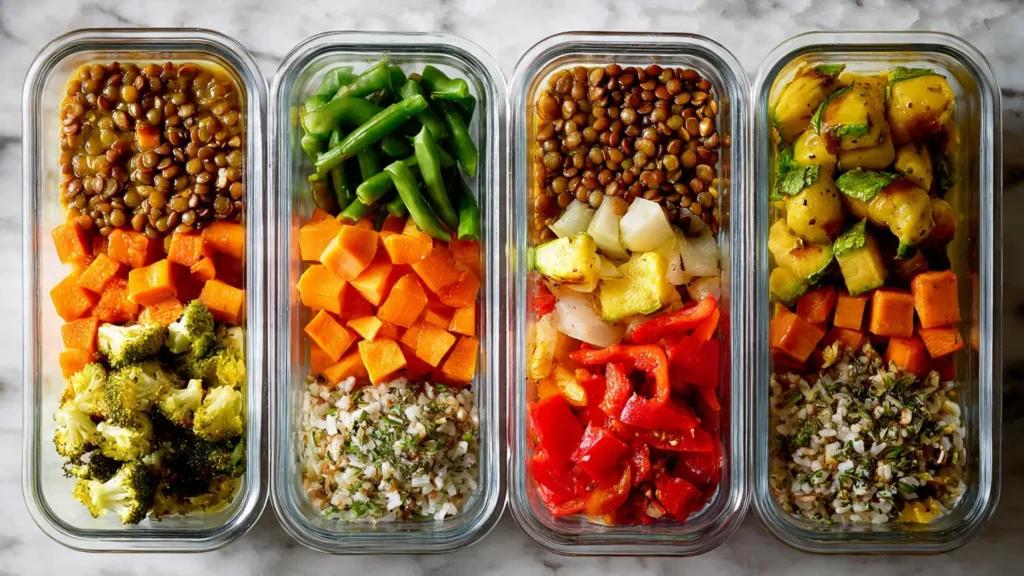
I know meal prep sounds like a lot of work. But even basic prep helps.
On Sundays I usually roast a big sheet pan of vegetables. Chop some onions and garlic. Maybe cook a batch of grains. Then during the week I can throw things together quickly.
If you want more structured meal planning, check out our Low-Calorie Meal Prep Recipes for batch-cooking ideas.
What About Protein?
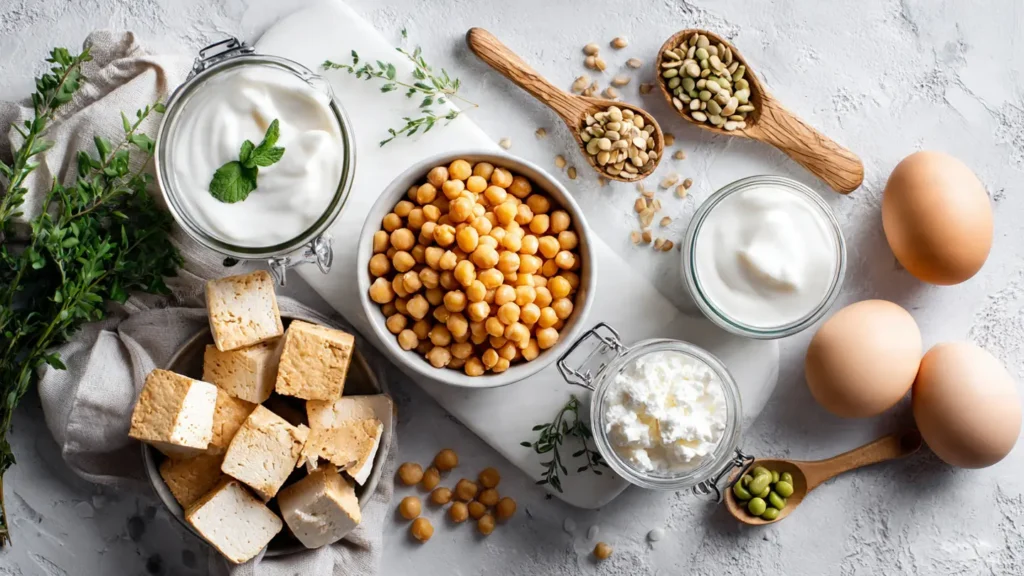
This is the question I get most often. Yes, you can get enough protein on vegetarian meals. Here’s what I rely on:
- Eggs (6g protein each)
- Greek yogurt (15-20g per cup)
- Lentils (18g per cooked cup)
- Chickpeas (15g per cooked cup)
- Tofu (20g per half block)
- Edamame (17g per cup)
If you’re focused on protein intake, our Low-Calorie High-Protein Recipes page has options for both meat and plant-based meals.
The Bottom Line
You don’t have to go fully vegetarian to benefit from plant-based meals. Even adding two or three meatless dinners per week can help with weight loss and save money on groceries.
Start with recipes you already like and just skip the meat. Pasta with vegetables. Stir-fry with tofu instead of chicken. Bean tacos instead of beef.
It doesn’t have to be all or nothing. That’s what I love about this approach. Some days I want a burger. Some days I want lentil soup. Both are fine.
The goal isn’t perfection. It’s finding foods that keep you full, taste good, and fit your calorie goals. Plenty of vegetarian options check all those boxes.