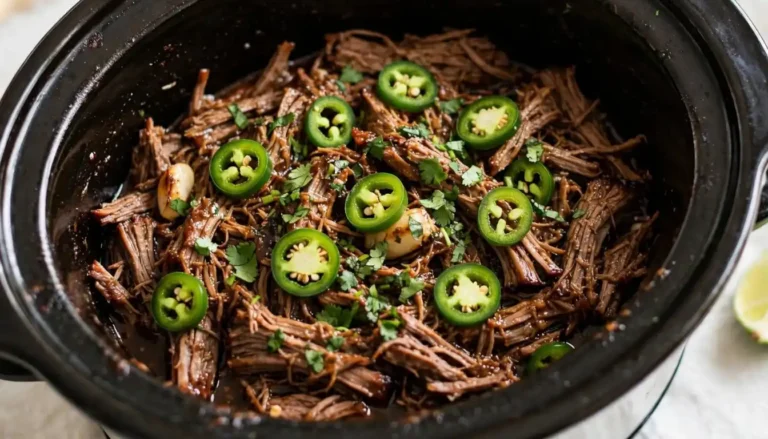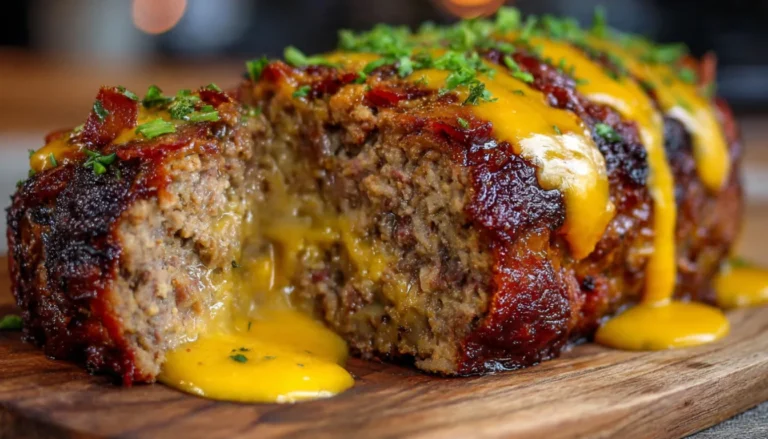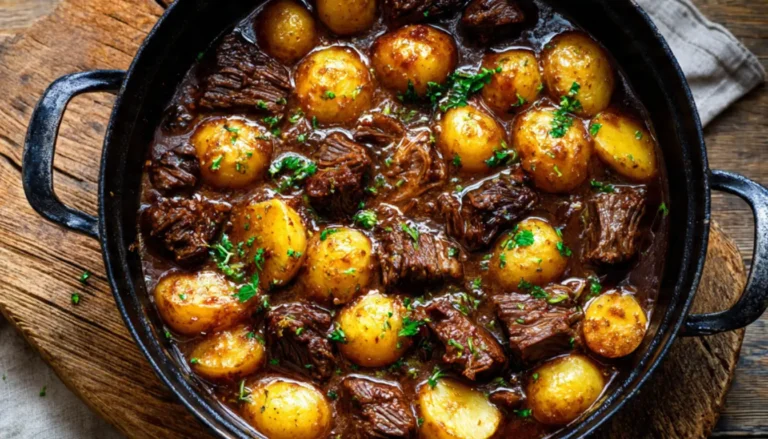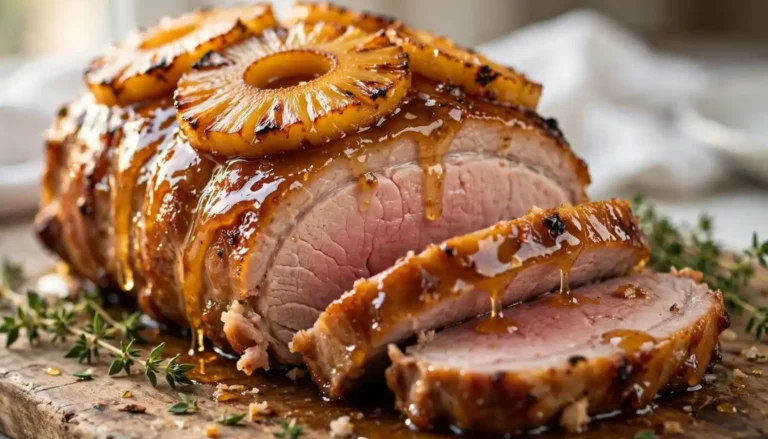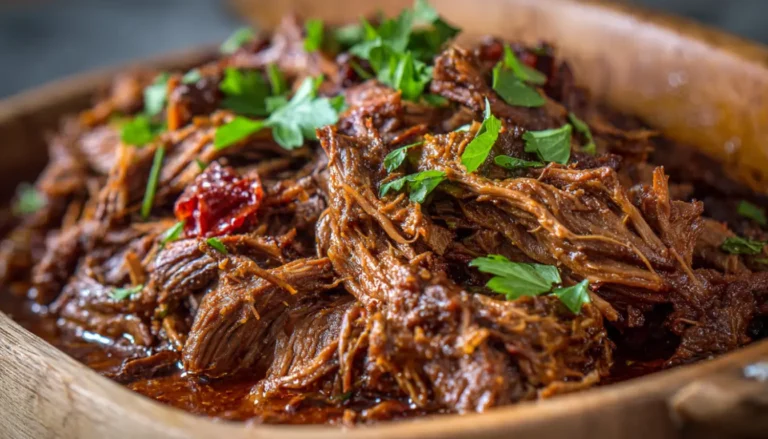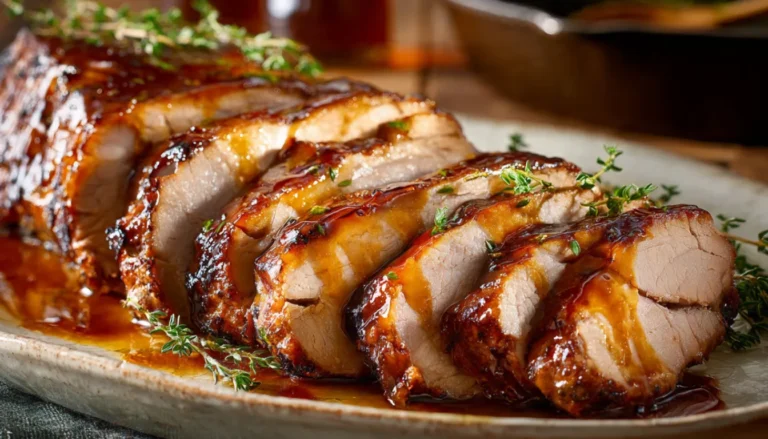
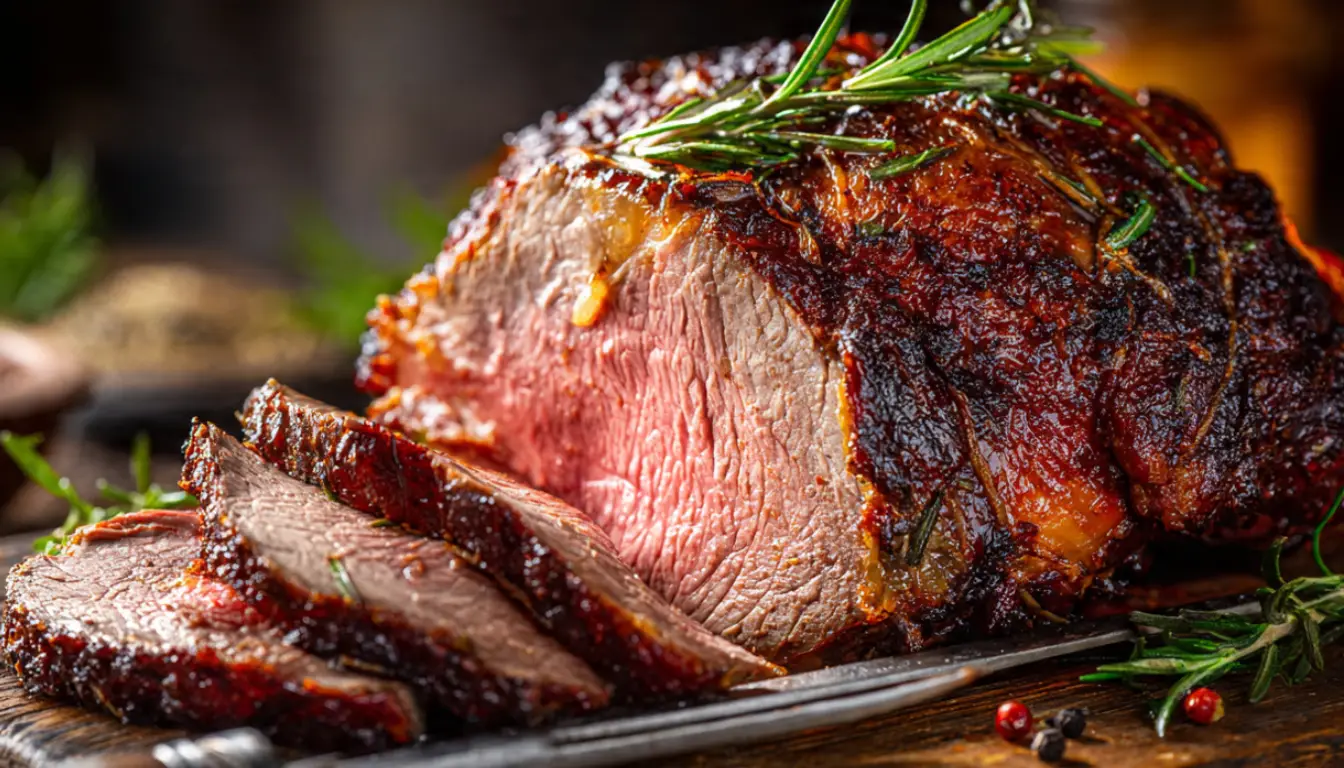
Spanferkel-Style Beef Roast – Crispy Crust with Fall-Apart Tender Meat
You know that moment when you’re scrolling through food photos and something just stops you in your tracks? That was me about five years ago when I stumbled across a picture of traditional German Spanferkel at a beer garden in Bavaria. The crispy, golden skin and the way the meat just fell apart had me absolutely mesmerized. But here’s the thing: I don’t cook pork at home for family dietary reasons, and I spent months trying to figure out how to capture that same magic with beef.
After more failed attempts than I’d like to admit (including one memorable disaster where I basically made expensive beef jerky), I finally cracked the code. This Spanferkel-style beef roast brings all those incredible German flavors and that crispy-on-the-outside, melt-in-your-mouth-on-the-inside texture to a beautiful cut of beef. And trust me, once you nail this technique, you’ll be the hero of every holiday dinner.
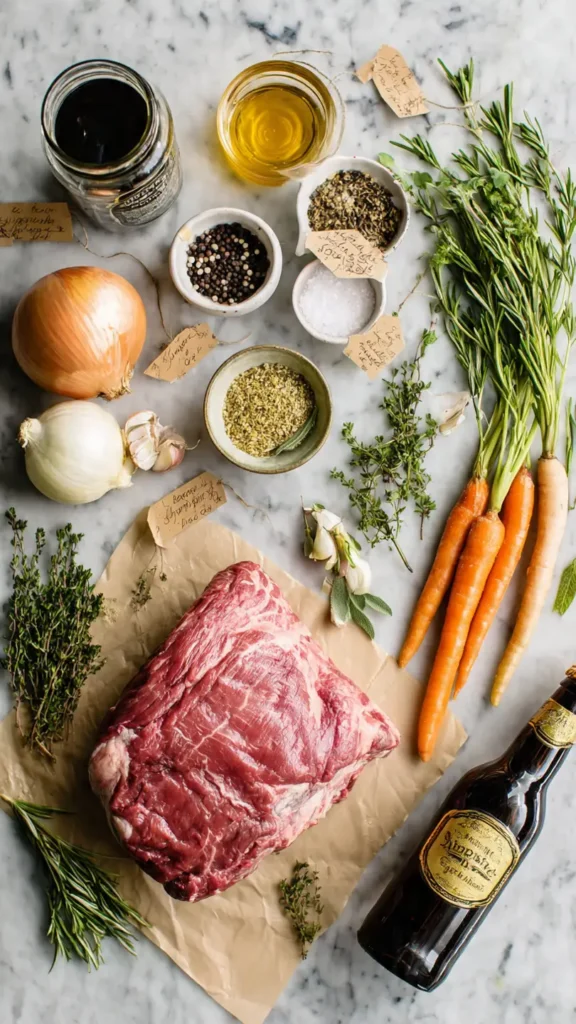
Essential Ingredients
For the Roast:
- 5-6 lb beef chuck roast or bottom round roast
- 3 tablespoons coarse sea salt
- 2 tablespoons caraway seeds
- 1 tablespoon whole black peppercorns
- 6 cloves garlic, minced
- 2 tablespoons fresh thyme leaves
- 2 tablespoons fresh rosemary, chopped
- 3 tablespoons olive oil or melted butter
For the Cooking Liquid:
- 2 cups dark beer (German lager or dunkel works perfectly)
- 1 cup beef stock
- 2 large onions, quartered
- 3 carrots, roughly chopped
- 2 bay leaves
- 1 tablespoon honey
For the Crispy Crust:
- 2 tablespoons coarse mustard
- 1 tablespoon rendered beef fat or butter
- 1 teaspoon smoked paprika
Alternative Ingredients
Look, I get it. Not everyone has access to a German specialty market, and that’s totally fine. If you can’t find dark German beer, any good stout or porter works beautifully. I’ve even used a nice amber ale in a pinch. For the caraway seeds, fennel seeds give you a similar aromatic quality, though the flavor profile shifts slightly more Italian than German.
If you’re working with a tight budget, skip the fancy beef stock and use Better Than Bouillon beef base mixed with water. Honestly, I do this half the time anyway because it’s just easier. The rendered beef fat for the crust can be replaced with regular butter, though you lose a tiny bit of that traditional depth. And if fresh herbs aren’t in your budget this week, dried works fine. Just use about a third of the amount since dried herbs are more concentrated.
Step-by-Step Directions
1. Prepare the Spice Rub (The Night Before)
Here’s where most people rush things, and I learned this the hard way. The night before you plan to cook, crush your caraway seeds and peppercorns in a mortar and pestle. Don’t have one? Put them in a ziplock bag and go at them with a rolling pin or the bottom of a heavy cast iron skillet. You want them crushed but not powdered.
Mix the crushed spices with salt, minced garlic, thyme, and rosemary. Pat your beef roast completely dry with paper towels (this is crucial for getting that crispy exterior later), then massage this rub all over the meat. I mean really work it in there. Wrap it tightly in plastic wrap and refrigerate overnight. This dry-brining process is what separates okay roast beef from phenomenal roast beef.
2. Bring to Room Temperature
Take your roast out of the fridge about 90 minutes before cooking. I know this seems like forever, but cold meat hitting a hot oven cooks unevenly. I learned this from a chef who worked in Munich, and it makes such a difference. While the meat is coming to temp, preheat your oven to 325°F.
3. Sear the Exterior
Heat 2 tablespoons of oil in your largest oven-safe pot or Dutch oven over medium-high heat. Once it’s shimmering (but not smoking), sear the roast on all sides until you get a deep brown crust. This takes about 3-4 minutes per side. Don’t move it around too much. Just let it sit and develop that crust.
If you have a quality Dutch oven, this is where it really shines. I use my trusty Lodge cast iron Dutch oven for this, though I’ve been eyeing those beautiful Le Creuset ones for special occasions. The heavy bottom distributes heat so evenly.
4. Build Your Braising Base
Remove the seared roast and set it aside on a plate. In the same pot (don’t wash it, all that brown stuff is flavor), add your onions and carrots. Sauté them for about 5 minutes until they start to soften. Then pour in your beer. Let it bubble up and scrape all those delicious brown bits off the bottom of the pot with a wooden spoon.
Add the beef stock, bay leaves, and honey. Stir everything together, then nestle your roast back into the pot. The liquid should come about halfway up the sides of the roast. If it doesn’t, add a bit more stock or water.
5. The Long, Slow Roast
Cover your pot with its lid and slide it into the oven. Now comes the hard part: waiting. Let it cook for about 3.5 to 4 hours. I know that feels like forever, but this is where the magic happens. The collagen in the beef slowly breaks down, and the meat becomes incredibly tender.
Check it after 3 hours by poking it with a fork. If the fork slides in with almost no resistance, you’re getting close. When it’s done, the meat should be so tender it’s nearly falling apart.
6. The Crispy Crust Finish
Here’s the technique that took me the longest to figure out. Remove the pot from the oven and carefully transfer the roast to a rimmed baking sheet. Crank your oven up to 450°F. While it’s heating, brush the top and sides of the roast with a mixture of coarse mustard, beef fat, and smoked paprika.
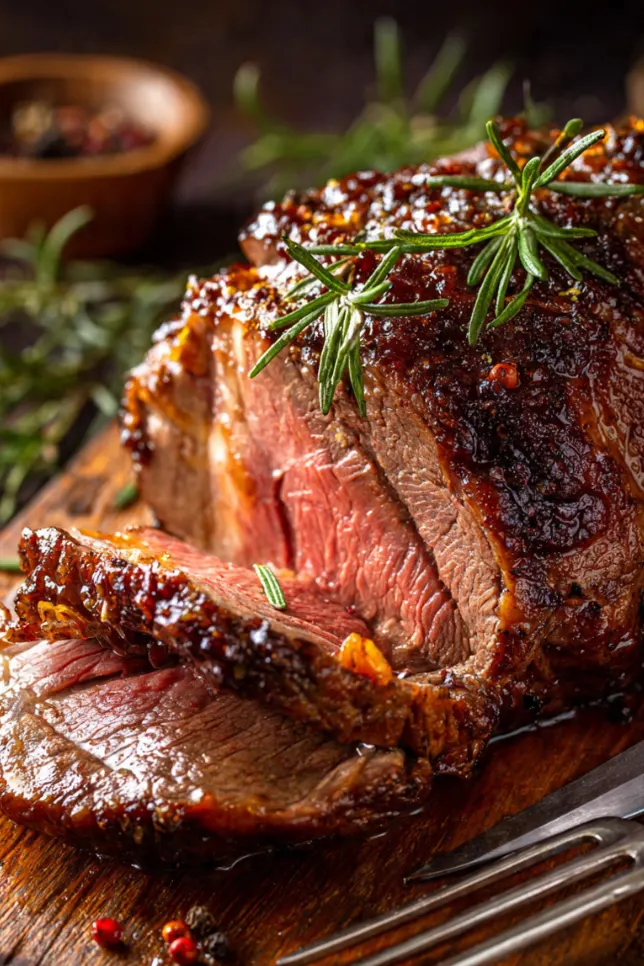
Once the oven hits 450°F, put the roast back in for 12-15 minutes, watching it carefully. You’re looking for the exterior to crisp up and turn a gorgeous mahogany brown. This step recreates that signature Spanferkel crackling texture.
7. Rest and Serve
Let the roast rest for at least 20 minutes before carving. I usually tent it loosely with foil. Meanwhile, strain your braising liquid and simmer it in a saucepan until it reduces by about half. This becomes your serving sauce.
Pro Tips
The biggest mistake I see people make is using too lean a cut. You need some marbling for this to work. Chuck roast is my go-to because it has enough fat to stay juicy during that long cooking time. Bottom round works too, but it’s slightly less forgiving.
Temperature control matters more than you think. If your oven runs hot (and many do), drop the braising temperature to 300°F. An oven thermometer is worth every penny. I picked mine up for less than $10, and it’s saved countless meals.
For meal prep enthusiasts, this roast actually improves over a day or two in the fridge. The flavors meld together beautifully. I’ll often make this on Sunday, slice it up, and portion it into meal prep containers for quick lunches throughout the week.
If you’re using an Instant Pot, you can adapt this recipe. Sear the meat using the sauté function, add your braising liquid (reduce it to 1.5 cups total), and pressure cook on high for 75 minutes with natural release. You’ll miss the crispy crust finish, but the meat will still be tender and flavorful.
Recipe Info
| Prep Time | Cook Time | Total Time | Servings | Yield |
|---|---|---|---|---|
| 20 minutes (plus overnight marinating) | 4 hours | 4 hours 20 minutes | 8-10 | One 5-6 lb roast |
Why You’ll Love This Recipe
First off, the leftovers situation is incredible. I’m talking sandwiches for days, shredded beef tacos, beef hash for breakfast. The meat reheats beautifully and actually tastes better the next day once all those spices have really settled in.
This is also one of those recipes that looks way more impressive than the actual effort involved. Yeah, it takes time, but most of that is hands-off oven time. You can literally start this, go binge-watch your favorite show, and come back to a house that smells absolutely amazing.
The cost per serving is ridiculously good too. A 5-pound chuck roast runs about $25-30 depending on where you shop, and you’re feeding 8-10 people generously. That’s maybe $3 per person for a meal that would cost $20+ at a restaurant.
What Makes This Recipe Unique
Traditional Spanferkel is all about that contrast between crispy skin and tender meat underneath. Most beef roast recipes give you one or the other, but not both. The two-stage cooking method here gives you the best of both worlds.
The beer braising liquid is another game-changer. The slight bitterness from the hops balances the richness of the beef in a way that wine or plain stock just can’t match. Plus, it’s a nod to traditional German beer hall cooking where beer isn’t just for drinking.
Key Features
Perfect for Meal Planning: Makes excellent leftovers that last 4-5 days refrigerated or up to 3 months frozen.
Budget-Friendly: Uses an economical cut of beef that becomes restaurant-quality with proper technique.
Crowd-Pleaser: Never met anyone who didn’t love this. Even picky eaters go back for seconds.
Adaptable: Works with different cuts of beef, can be made in various cooking vessels, and the spice blend can be adjusted to taste.
Great for Food Prep: If you’re into Sunday meal prep like I am, this is fantastic sliced over German potato salad or alongside roasted vegetables.
Frequently Asked Questions
Can I make this with a smaller roast?
Absolutely. Just scale down the spices proportionally and reduce the cooking time to about 2.5 to 3 hours for a 3 pound roast. The key is checking for tenderness rather than relying solely on time.
My roast turned out tough. What went wrong?
Most of the time this happens because the roast did not cook long enough. Chuck roast needs about 3.5 to 4 hours to properly break down and become tender. Also make sure the oven temperature is not too high so the exterior does not overcook before the inside softens.
Can I skip the overnight marinating?
You can, but the flavor will not be as deep. If you are short on time, try letting the roast sit with the seasoning for at least 2 to 3 hours at room temperature before cooking.
What is the best way to reheat leftovers?
Slice the meat thin and reheat it gently on the stovetop with some of the reserved braising liquid. This helps keep the meat moist. A microwave works in a pinch, but the crispy exterior texture will soften.
You’ll Also Love
If this Spanferkel-style roast wins you over, try these other German-inspired beef dishes: Classic Sauerbraten with its sweet-and-sour tang, Rouladen (beef rolls stuffed with bacon and pickles), or a hearty Rinderbraten with root vegetables. Each one brings that same comforting, old-world flavor profile that makes German cooking so satisfying.
Conclusion
I’ll be honest with you. The first time I made this, I was nervous. Spending that much on a roast and committing to a 4-hour cook time feels risky when you’re not sure it’ll work out. But once you pull that beautifully browned, aromatic roast out of the oven and see how the meat just melts apart with a fork? You’ll understand why this has become my go-to recipe for any occasion that calls for something special.
The best part is that this recipe is forgiving. As long as you give it enough time and don’t cook it at too high a temperature, it’s really hard to mess up. And those leftovers I mentioned? I’ve built entire weeks of meal planning around them.
Give this Spanferkel-style beef roast a try, and let me know how it turns out. I’d love to hear about your variations or any tweaks you made to suit your family’s tastes. Happy cooking!
Spanferkel-Style Beef Roast
German-inspired beef roast with crispy exterior and fall-apart tender meat, braised in dark beer with aromatic spices.
Ingredients
For the Roast
- 5-6 lb beef chuck roast or bottom round roast
- 3 tbsp coarse sea salt
- 2 tbsp caraway seeds
- 1 tbsp whole black peppercorns
- 6 cloves garlic, minced
- 2 tbsp fresh thyme leaves
- 2 tbsp fresh rosemary, chopped
- 3 tbsp olive oil or melted butter
For the Cooking Liquid
- 2 cups dark beer (German lager or dunkel)
- 1 cup beef stock
- 2 large onions, quartered
- 3 carrots, roughly chopped
- 2 bay leaves
- 1 tbsp honey
For the Crispy Crust
- 2 tbsp coarse mustard
- 1 tbsp rendered beef fat or butter
- 1 tsp smoked paprika
Instructions
- Prepare the spice rub The night before cooking, crush caraway seeds and peppercorns in a mortar and pestle. Mix with salt, minced garlic, thyme, and rosemary. Pat beef roast completely dry with paper towels, massage rub all over the meat, wrap tightly in plastic wrap, and refrigerate overnight.
- Bring to room temperature Remove roast from refrigerator 90 minutes before cooking. Preheat oven to 325°F.
- Sear the roast Heat 2 tablespoons oil in a large Dutch oven over medium-high heat. Sear roast on all sides until deep brown crust forms, about 3-4 minutes per side. Remove and set aside.
- Build braising base In the same pot, sauté onions and carrots for 5 minutes. Pour in beer and scrape brown bits from bottom. Add beef stock, bay leaves, and honey. Stir together and nestle roast back into pot.
- Braise in oven Cover pot with lid and cook in oven for 3.5 to 4 hours until fork-tender. Check after 3 hours by testing with a fork.
- Crispy crust finish Transfer roast to rimmed baking sheet. Increase oven temperature to 450°F. Brush roast with mixture of mustard, beef fat, and smoked paprika. Return to oven for 12-15 minutes until exterior crisps and turns mahogany brown.
- Rest and serve Let roast rest for 20 minutes loosely tented with foil. Meanwhile, strain braising liquid and simmer until reduced by half. Slice roast and serve with reduced sauce.
Notes
Use chuck roast for best results as it has enough marbling to stay juicy during long cooking. If your oven runs hot, reduce braising temperature to 300°F. This roast actually improves after a day or two in the fridge as flavors meld. For Instant Pot: sear using sauté function, reduce liquid to 1.5 cups total, pressure cook 75 minutes with natural release. Temperature control is crucial – use an oven thermometer for accuracy.