Cheesecake with Cajeta and Walnuts – Complete Recipe
I’ll never forget the first time I tried to make cajeta at home. I thought, how hard could it be? Just goat’s milk and sugar, right? Well, let’s just say my kitchen smelled like burnt caramel for three days, and I learned a very expensive lesson about patience and temperature control. But that disaster actually led me to this incredible cheesecake recipe that combines store-bought cajeta with a classic New York-style base and toasted walnuts. Sometimes our biggest kitchen failures point us toward our best recipes.
Cajeta, if you haven’t tried it yet, is essentially Mexico’s answer to dulce de leche. But here’s the thing: it’s made with goat’s milk instead of cow’s milk, which gives it this subtle tanginess that plays beautifully against rich cream cheese. When I first started experimenting with cajeta in desserts, I was working with my trusty KitchenAid stand mixer and just tossing ideas at the wall to see what stuck. This cheesecake was the winner.
The combination might sound fancy, but trust me, if I can make this after my cajeta-making disaster, anyone can. The toasted walnuts add this perfect crunch that cuts through the creamy filling, and the cajeta swirl creates these gorgeous marbled patterns that look like you spent hours on them. You didn’t, but your guests don’t need to know that.
Essential Ingredients
For the Crust:
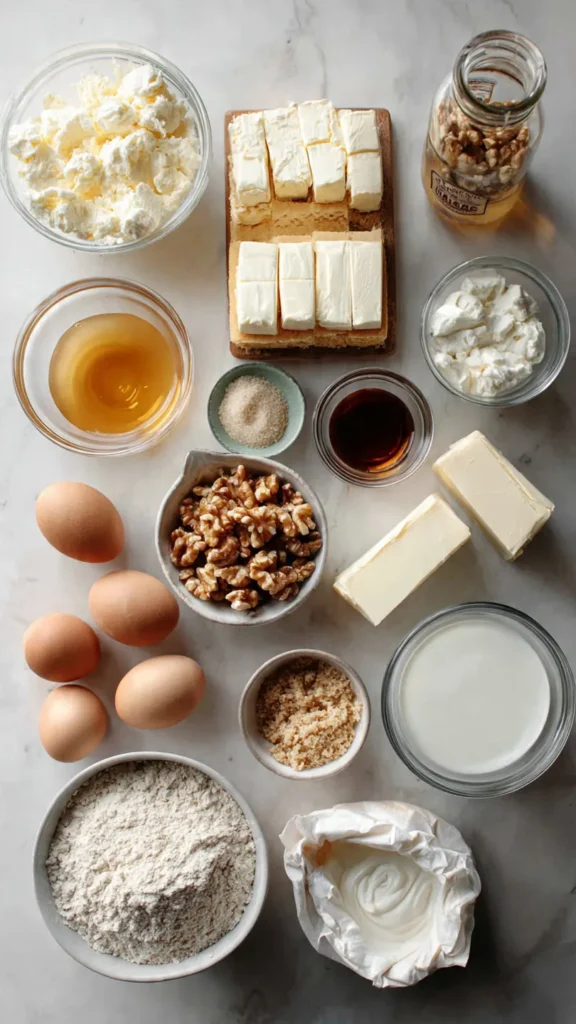
- 2 cups graham cracker crumbs (about 14 full crackers)
- 1/3 cup granulated sugar
- 1/2 cup unsalted butter, melted
- 1/2 cup finely chopped toasted walnuts
- 1/4 teaspoon salt
For the Filling:
- 32 ounces cream cheese, softened (four 8-oz blocks)
- 1 cup granulated sugar
- 1/4 cup all-purpose flour
- 4 large eggs, room temperature
- 1 cup sour cream
- 2 teaspoons vanilla extract
- 1/2 teaspoon salt
For the Cajeta Swirl:
- 3/4 cup cajeta (store-bought is perfect)
- 2 tablespoons heavy cream
For the Topping:
- 1/2 cup cajeta
- 1 cup toasted walnut halves
- Flaky sea salt (optional but amazing)
Alternative Ingredients
Look, I get it. Not everyone has a Mexican grocery store nearby, and cajeta can be tricky to find. Here’s what I’ve learned works:
Instead of cajeta, you can use dulce de leche. It’s not exactly the same (missing that goat milk tang), but it still creates a gorgeous caramel cheesecake. I’ve done this probably a dozen times when I’m in a pinch.
If walnuts aren’t your thing, pecans work beautifully here. I actually tested this recipe with pecans first because my sister is weirdly anti-walnut. The pecans give it more of a Southern vibe, which isn’t bad at all.
For the crust, you can swap graham crackers with gingersnaps or vanilla wafers. The gingersnap version is particularly good in fall. Just use the same amount by weight (about 2 cups of crumbs).
Can’t do dairy? I’ve had readers successfully make this with a combination of cream cheese alternatives and coconut cream, though I haven’t perfected that version myself yet. The texture changes a bit, but the flavor is still there.
Step-by-Step Directions
Prepare Your Pan: Wrap the outside of a 9-inch springform pan with two layers of heavy-duty aluminum foil. This is non-negotiable, trust me. I learned this the hard way when water from the water bath seeped into my first attempt. Just do it.
Make the Crust: Preheat your oven to 325°F. In a medium bowl, mix together the graham cracker crumbs, sugar, melted butter, chopped walnuts, and salt until it looks like wet sand. Press this firmly into the bottom of your prepared springform pan and about 1 inch up the sides. I use the bottom of a measuring cup to really pack it in. Bake for 10 minutes, then let it cool while you make the filling.
Prepare the Filling: This is where your stand mixer really shines. Beat the softened cream cheese on medium speed for about 3 minutes until it’s completely smooth and fluffy. I cannot stress enough how important room temperature cream cheese is here. Cold cream cheese will give you lumps, and nobody wants lumpy cheesecake.
Add the sugar and flour, beating until combined. Scrape down the bowl. This is something I see people skip all the time, and then they wonder why their cheesecake has streaks. Scrape the bowl.
Add the eggs one at a time, beating on low speed after each addition just until incorporated. Don’t overmix here. Once all the eggs are in, add the sour cream, vanilla, and salt. Mix just until smooth.
Create the Cajeta Swirl: In a small bowl, whisk together the 3/4 cup cajeta with the heavy cream until it’s pourable but not too thin. You want it loose enough to swirl but thick enough to create those pretty marbled patterns.
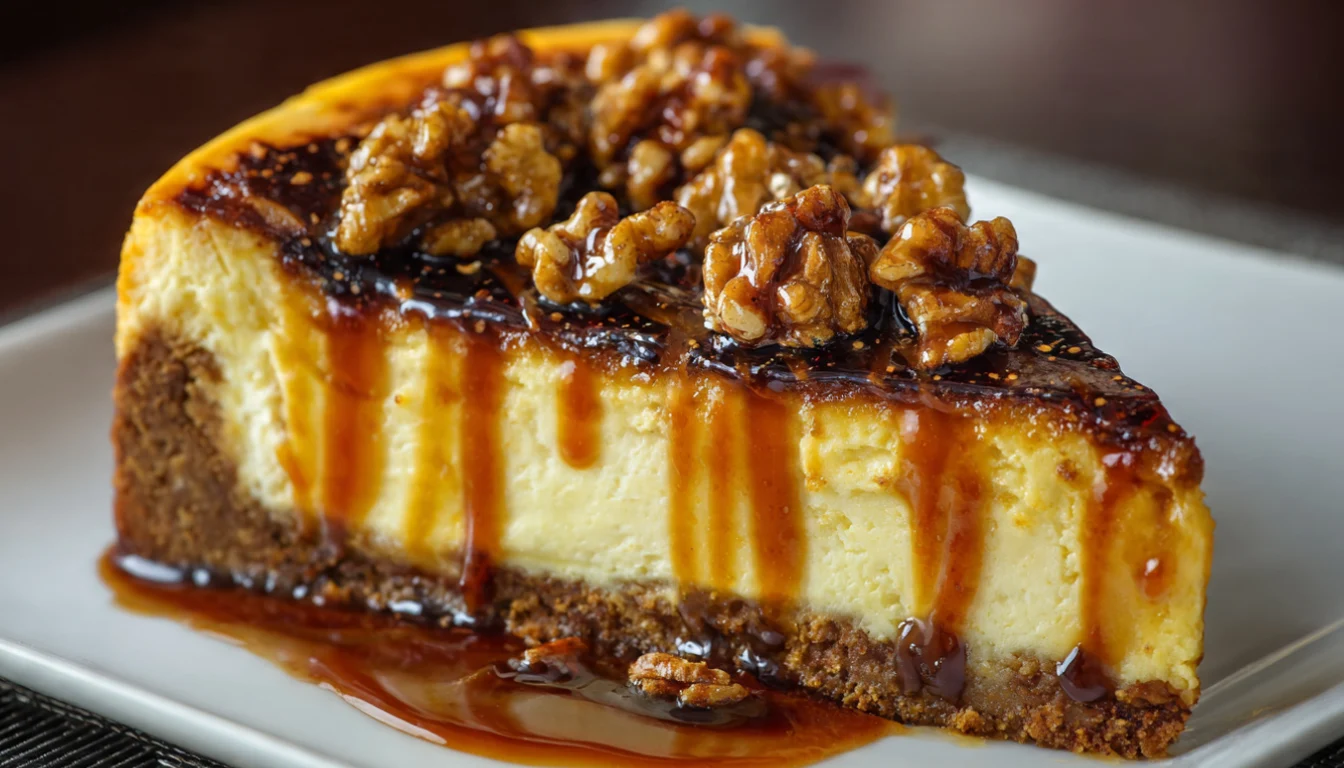
Assemble: Pour about two-thirds of the cheesecake filling into your cooled crust. Drizzle half of the cajeta mixture over the filling. Pour the remaining filling on top, then drizzle the rest of the cajeta. Use a butter knife or skewer to create swirls by dragging it through the cajeta in a figure-eight pattern. Don’t overdo it or you’ll lose the swirl effect.
Bake in a Water Bath: Place your wrapped springform pan in a large roasting pan. Pour hot water into the roasting pan until it comes about halfway up the sides of the springform. This water bath is crucial for preventing cracks. Bake at 325°F for 65-75 minutes. The center should still jiggle slightly when you gently shake the pan. It’ll look underdone, but it’ll firm up as it cools.
Cool Properly: Turn off the oven and crack the door open about 4 inches. Let the cheesecake sit in the cooling oven for 1 hour. This gradual cooling is another crack-prevention trick. After an hour, remove it from the water bath and let it cool completely on a wire rack. Then refrigerate for at least 6 hours, or preferably overnight.
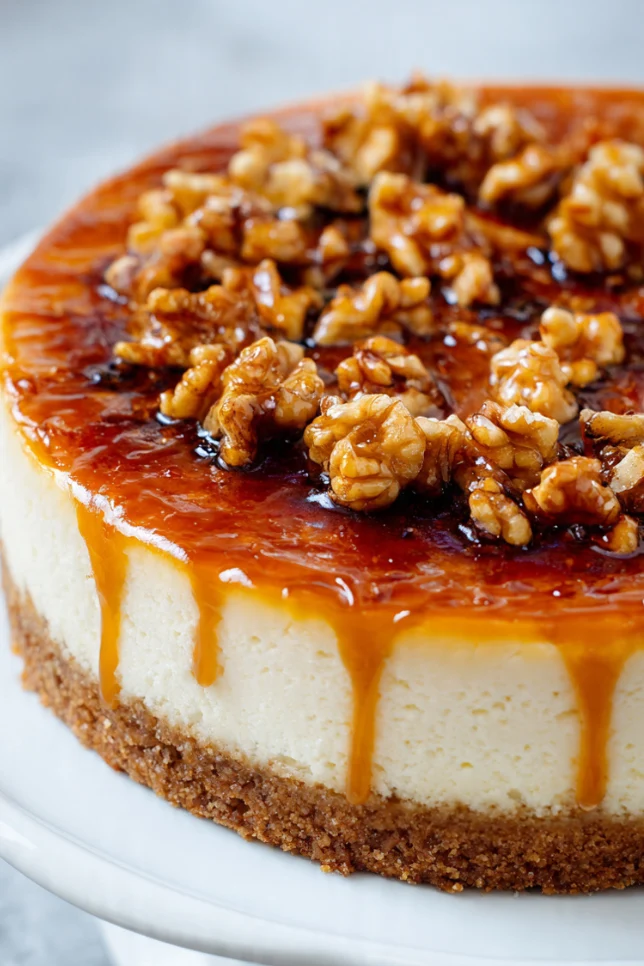
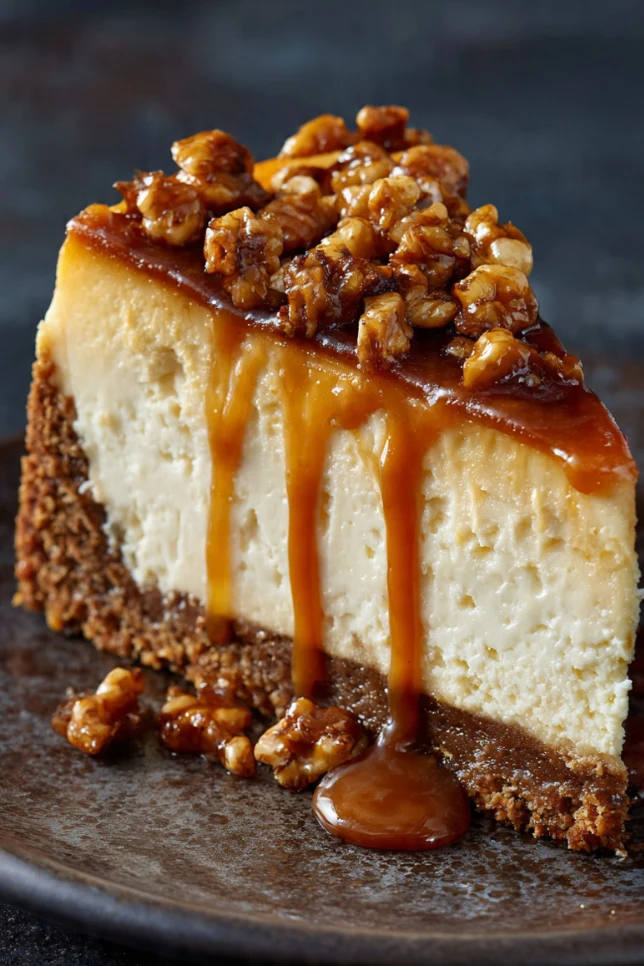
Add the Topping: Before serving, warm the remaining 1/2 cup cajeta slightly so it’s pourable. Drizzle it over the top of the chilled cheesecake. Arrange the toasted walnut halves on top and, if you’re feeling fancy, sprinkle with a tiny bit of flaky sea salt. Game changer.
Pro Tips
Here’s something I wish someone had told me earlier: toast your walnuts in the oven at 350°F for 8-10 minutes before using them. It brings out this incredible nutty flavor that raw walnuts just don’t have. I know it’s an extra step, but it’s worth it.
If you see cracks forming while your cheesecake bakes, don’t panic. First, they add character. Second, you’re covering the top with cajeta and walnuts anyway, so nobody will know. I’ve served cracked cheesecakes to food blogger friends who didn’t notice a thing.
When you’re ready to remove your cheesecake from the springform pan, run a thin knife around the edge first. Then release the spring slowly. I once released it too fast and the whole crust separated from the filling. Learn from my mistakes.
The cheesecake actually tastes better on day two. Something about the flavors melding together overnight in the fridge. So if you can, make this a day ahead.
Store it covered in the refrigerator for up to 5 days. It also freezes surprisingly well for up to 2 months. Just thaw it overnight in the fridge before serving.
FAQs
Can I make this without a water bath?
Technically yes, but you’re risking cracks and a drier texture. The water bath creates humidity in the oven that keeps the top from drying out and cracking. If you absolutely can’t do a water bath, place a pan of hot water on the rack below your cheesecake.
Why did my cheesecake crack?
Usually it’s one of three things: overmixing the batter (which incorporates too much air), overbaking, or cooling too quickly. Make sure you follow the cooling process I outlined above.
Can I use a food processor to make the crust?
Absolutely! Just pulse the graham crackers until they’re fine crumbs, then add the other crust ingredients and pulse until combined. It’s actually faster than crushing them by hand.
Where can I buy cajeta?
Most large grocery stores carry it in the international aisle near the Latin American products. You can also find it at any Mexican grocery store or order it online. Brands like Coronado are widely available.
What if I don’t have a springform pan?
You really need one for this recipe. A regular cake pan won’t let you remove the cheesecake cleanly. Springform pans are pretty affordable though, and once you have one, you’ll use it more than you think. I’ve seen decent ones for under $15.
Recipe Info
| Prep Time | Cook Time | Total Time | Servings | Yield |
|---|---|---|---|---|
| 30 minutes | 75 minutes | 8 hours (includes cooling) | 12-14 slices | One 9-inch cheesecake |
Why You’ll Love This Recipe
This isn’t your standard cheesecake. The cajeta brings this caramel complexity that regular caramel sauces can’t match. There’s a slight tanginess from the goat milk that keeps it from being too sweet, which is perfect if you’re like me and find most cheesecakes a bit cloying.
The walnuts add texture, sure, but they also add this earthy, slightly bitter note that balances the sweetness. I’ve served this to people who claim they don’t like nuts in desserts, and they’ve changed their minds.
It looks impressive. Like, seriously impressive. The marbled swirl pattern, the glossy cajeta topping, the perfectly arranged walnuts. It’s the kind of dessert that makes people think you went to pastry school or something.
What Makes This Recipe Unique
Most cheesecake recipes stick to traditional flavors like vanilla or strawberry. This one goes in a completely different direction with the cajeta, which gives it this Latin American flair that feels special without being complicated.
The walnut crust is another thing that sets this apart. Instead of plain graham crackers, those toasted walnuts in the crust echo the walnuts on top, creating this really cohesive flavor profile from bottom to top.
I’ve also streamlined the technique here. No tempering eggs, no complicated steps. If you can use a stand mixer and wrap a pan in foil, you can make this.
Key Features
- Rich, creamy New York-style cheesecake base
- Beautiful cajeta swirl that creates natural marbled patterns
- Crunchy walnut crust that adds texture
- Glossy cajeta topping with toasted walnut halves
- Impressive presentation that’s easier than it looks
- Make-ahead friendly (actually better the next day)
- Serves 12-14 people easily
Nutrition Facts
| Per Slice (1/12 of cheesecake) | Amount |
|---|---|
| Calories | 520 |
| Total Fat | 34g |
| Saturated Fat | 17g |
| Cholesterol | 145mg |
| Sodium | 340mg |
| Total Carbohydrates | 47g |
| Dietary Fiber | 1g |
| Sugars | 38g |
| Protein | 8g |
Note: Nutrition information is approximate and based on standard ingredients. Actual values may vary.
You’ll Also Love
If this cajeta cheesecake is hitting the spot, you might want to try my Dulce de Leche Flan, which has similar caramel notes but with a lighter custard texture. The Pecan Pie Cheesecake is another winner that combines two classic desserts in one.
For something a bit less rich, my Mexican Chocolate Tres Leches Cake uses some of the same flavor profiles but in a lighter, more cake-like form. And if you’re really into that goat milk cajeta flavor, my Cajeta Brownies are dangerously good.
Conclusion
Look, I know this seems like a lot of steps. But here’s the truth: most of this is just waiting. Actual hands-on time is maybe 30 minutes. The rest is the oven and the fridge doing the work for you.
I’ve made this cheesecake for birthday parties, Thanksgiving, random Tuesday nights when I needed something impressive for dinner guests. It works every single time. And every single time, someone asks for the recipe.
The cajeta and walnut combination is special. It’s familiar enough that it’s not scary, but different enough that it feels exciting. That’s the sweet spot you want in a dessert recipe.
Give it a try. Start with good quality cream cheese (I’m partial to Philadelphia, honestly), find some decent cajeta, toast those walnuts, and just follow the steps. You’ve got this.
And hey, if it cracks? Cover it with extra cajeta. That’s what I do, and nobody’s ever complained.