300-Calorie Meals for Weight Loss: Breakfast, Lunch, and Dinner Ideas That Actually Fill You Up
I used to think 300-calorie meals meant sad salads and constant hunger. I was wrong.
Three years ago, I tracked everything I ate for a month. And I noticed something surprising. My most satisfying meals weren’t always the highest calorie ones. Some of my 500-calorie lunches left me raiding the pantry by 3pm. But certain 300-calorie meals kept me full for hours.
That’s when I started paying attention to what makes a low-calorie meal actually work.
This article is part of our comprehensive guide on Low-Calorie Weight Loss Recipes. For the full guide with meal plans and more recipes, check it out.
Why 300 Calories Is the Sweet Spot
Here’s the thing about 300-calorie meals. They give you room to breathe.
If you’re aiming for 1,200 to 1,500 calories a day, having a few 300-calorie meals means you can still enjoy snacks. You can have that afternoon coffee with cream. Or dessert after dinner.
The key is making those 300 calories count. You need protein to stay satisfied. Fiber to keep things moving. And enough volume so your brain registers that you actually ate something.
I learned this the hard way after too many 300-calorie protein bars that left me hungrier than before I ate them.
300-Calorie Breakfast Ideas
Mornings are tricky. You need energy but probably don’t have time to cook anything elaborate.
Greek Yogurt Parfait (285 calories)
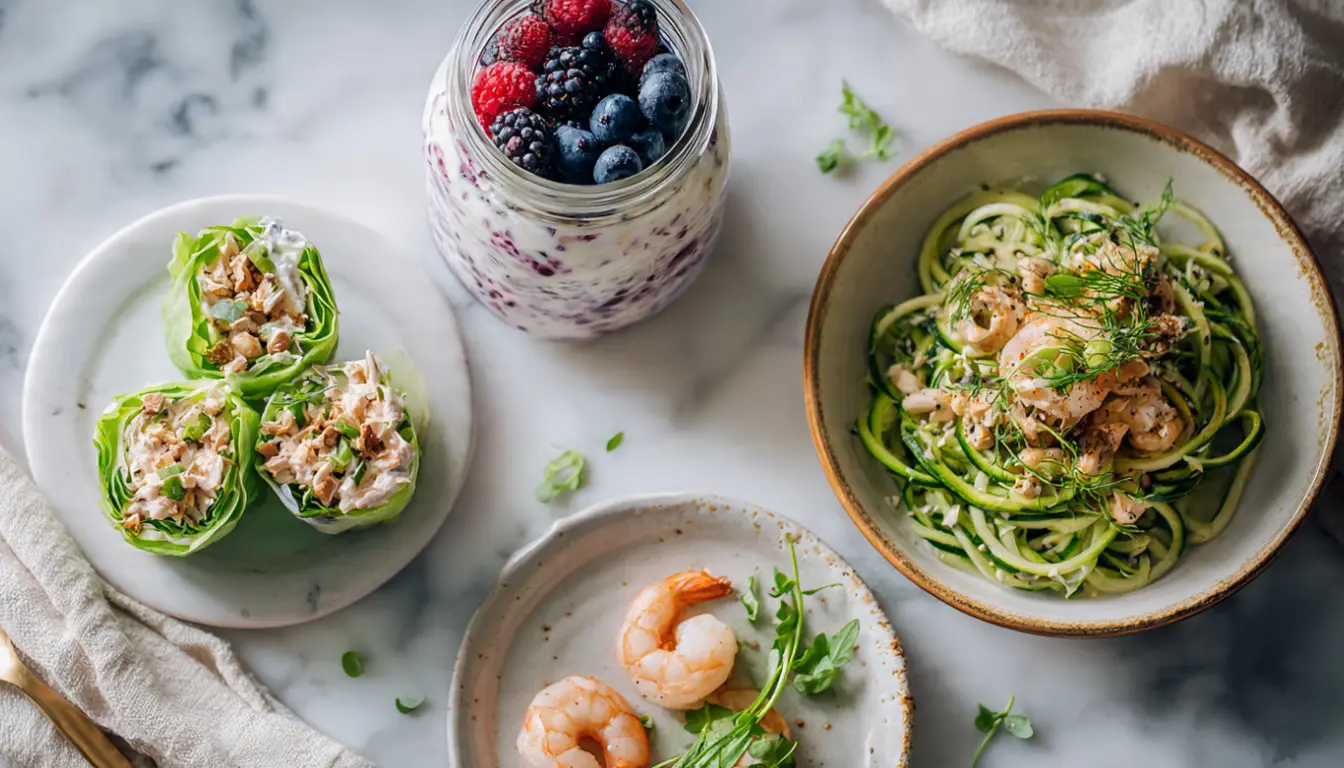
This is my go-to when I have maybe five minutes. Layer 3/4 cup plain Greek yogurt with 1/2 cup mixed berries and a tablespoon of granola. The protein from the yogurt keeps me full until lunch. Usually.
Veggie Egg Scramble (290 calories)
Two eggs scrambled with spinach, tomatoes, and a sprinkle of feta. I make this in one pan while my coffee brews. The eggs provide about 12 grams of protein, which makes a real difference in how long you stay full.
Overnight Oats, Simplified (295 calories)
Mix 1/3 cup oats with 1/2 cup almond milk, a tablespoon of chia seeds, and some cinnamon the night before. In the morning, top with half a sliced banana. Done.
I’ll be honest. I resisted overnight oats for years because they seemed too trendy. But they work. And cold oats grow on you.
300-Calorie Lunch Ideas
Lunch is where most people struggle. You’re busy. You’re tired. The vending machine is right there.
Turkey and Veggie Lettuce Wraps (275 calories)
Use butter lettuce leaves instead of bread. Fill with 3 ounces of turkey breast, cucumber, shredded carrots, and a drizzle of hummus. Three wraps usually do it for me.
This is actually more food than it sounds like. The crunch factor helps your brain feel satisfied.
Loaded Vegetable Soup (260 calories)
I make a big batch on Sundays and portion it out. Chicken broth, zucchini, carrots, celery, white beans, and whatever else is in my fridge. Soup is underrated for weight loss because the liquid adds volume without adding many calories.
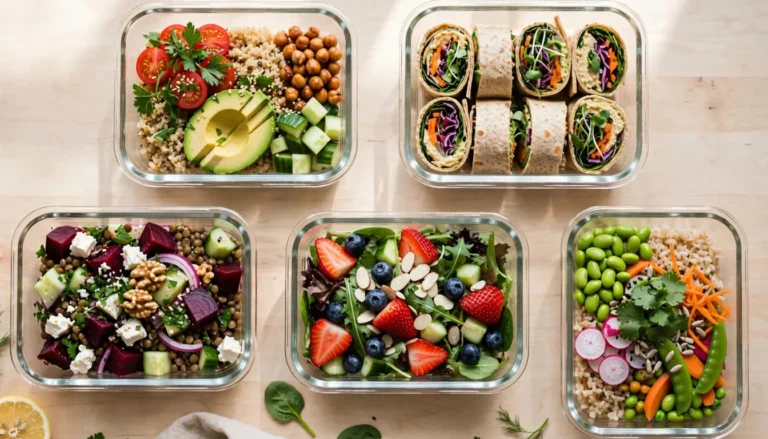
If you’re prepping lunches for work, check out our Low-Calorie Lunch Recipes for Work for more portable ideas.
Tuna Cucumber Boats (280 calories)
Hollow out a large cucumber and fill it with tuna mixed with Greek yogurt instead of mayo, plus some dill and lemon. Sounds weird. Tastes great. And you get that satisfying crunch.
300-Calorie Dinner Ideas
Dinner is usually the hardest meal to keep low. You’re winding down. You want comfort.
But 300-calorie dinners can work if you build them right.
Zucchini Noodles with Shrimp (295 calories)
Spiralized zucchini with 4 ounces of shrimp, garlic, cherry tomatoes, and a splash of white wine. This looks like a full plate of pasta but with a fraction of the calories. The shrimp adds protein without adding much fat.
For more pasta swaps, we have a whole guide on Low-Calorie Pasta Alternatives.
Sheet Pan Chicken and Vegetables (290 calories)
Three ounces of chicken breast with broccoli, bell peppers, and onions roasted with a teaspoon of olive oil. Season with Italian herbs. Everything cooks on one pan, which means one pan to wash. That matters after a long day.
Cauliflower Fried Rice (285 calories)
Riced cauliflower with egg, peas, carrots, and low-sodium soy sauce. You can add 2 ounces of chicken or shrimp and still stay under 300 calories. My kids actually eat this, which tells you something.
Making 300-Calorie Meals Actually Satisfying
The meals above work because they follow a few rules I’ve learned over the years.
Protein in every meal. Aim for at least 15 grams. It keeps you full and protects your muscle mass while you lose weight.
Volume matters. Vegetables add bulk without adding calories. A cup of spinach has like 7 calories. Fill your plate with greens.
Don’t fear healthy fats. A little olive oil or avocado makes food taste better and helps you absorb nutrients. Just measure it because fats are calorie-dense.
Drink water before you eat. Sounds basic. But I forget to do this all the time, and then I’m ravenous and make bad decisions.
If you’re just starting out with calorie-conscious cooking, our Low-Calorie Weight Loss Recipes for Beginners guide covers the basics in more detail.
A Few Things I’ve Learned
Not every meal needs to be 300 calories. Some days I have a 200-calorie breakfast and a 400-calorie dinner. It balances out.
Also, these meals won’t work if you’re constantly snacking around them. I track my food in an app (I use MyFitnessPal, but there are others) because I’m terrible at estimating portions. A “tablespoon” of peanut butter used to be more like three tablespoons. No wonder I wasn’t losing weight.
And finally, if a 300-calorie meal leaves you starving an hour later, add more protein or fiber. Listen to your body. This isn’t about suffering through hunger. That never works long-term.
Quick Reference: 300-Calorie Meal Building Blocks
- 3 oz chicken breast: ~140 calories
- 2 large eggs: ~140 calories
- 1 cup cooked quinoa: ~220 calories
- 1/2 cup black beans: ~115 calories
- 2 cups mixed salad greens: ~20 calories
- 1 tbsp olive oil: ~120 calories
Mix and match these with vegetables and you can build countless combinations.
For more ideas on keeping portions in check, our Low-Calorie Recipes for Portion Control has some helpful tips.
The Bottom Line
300-calorie meals don’t have to mean deprivation. They can be filling, flavorful, and actually enjoyable. The trick is choosing foods that give you the most satisfaction per calorie.
Start with one meal. Maybe breakfast, since it’s the easiest to control. See how it feels. Adjust from there.
And remember, you’re not trying to eat 300-calorie meals forever. You’re trying to find a sustainable way to eat that helps you reach your goals without making you miserable.
That’s what worked for me. It might work for you too.