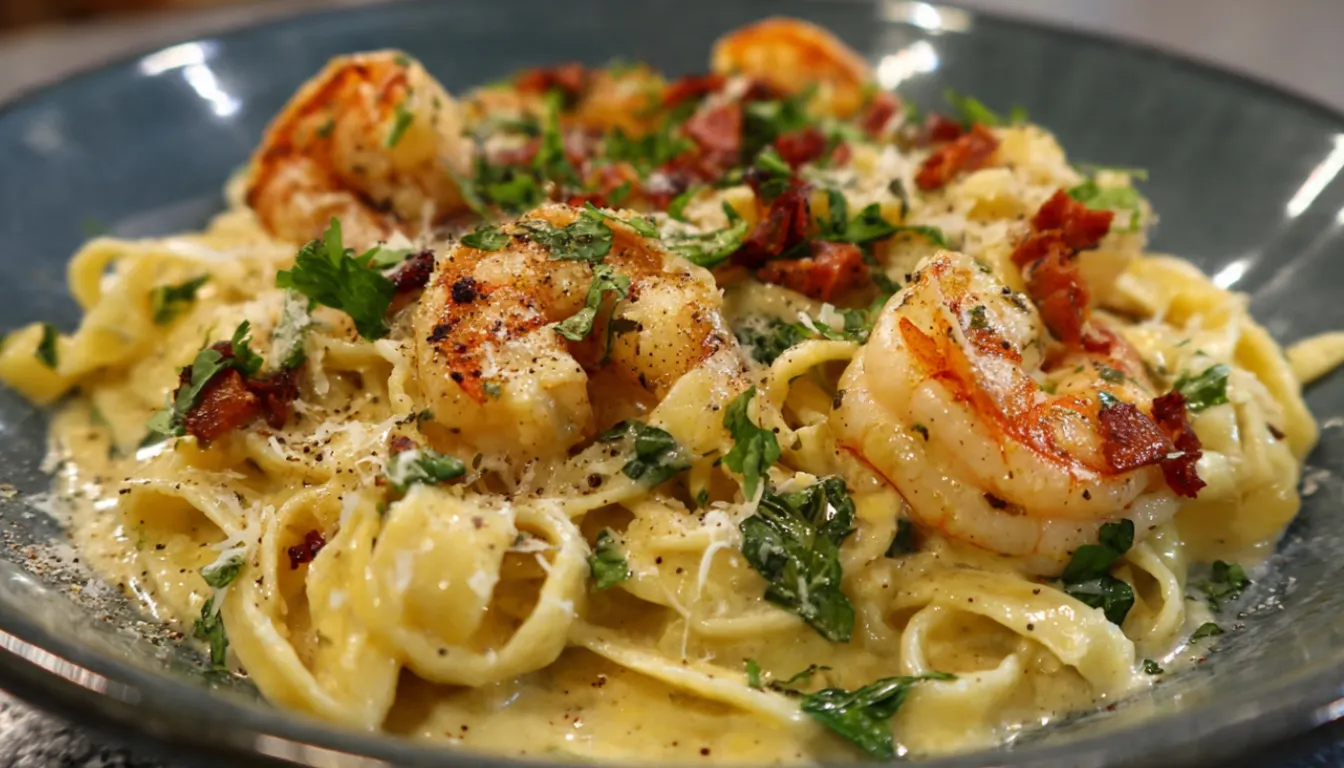
Garlic Shrimp Pasta Recipe: Restaurant-Quality Dinner in 20 Minutes
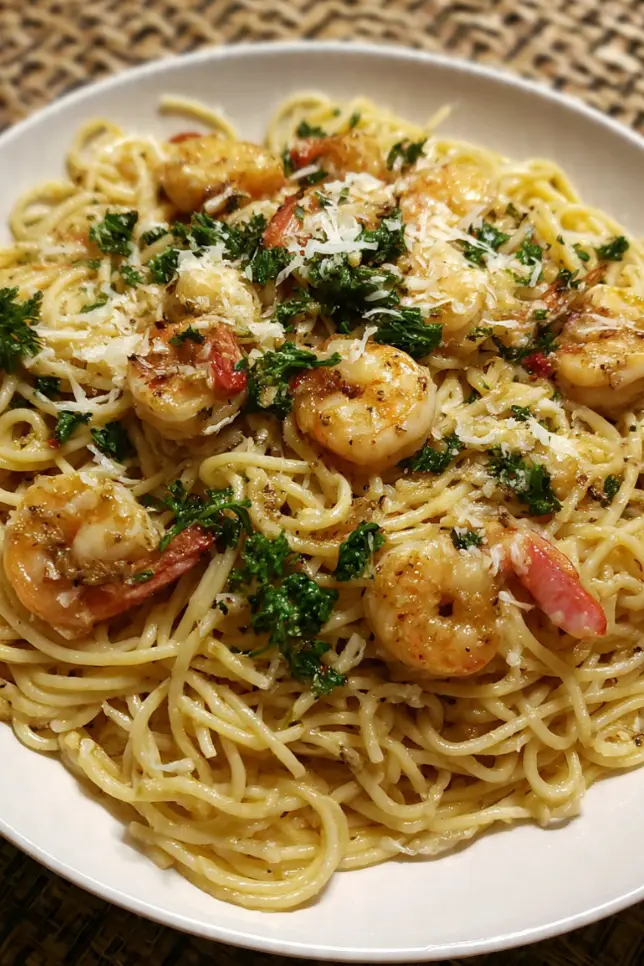
You know that feeling when you get home after a long day and the last thing you want to do is spend an hour in the kitchen? I’ve been there more times than I can count. That’s exactly why I fell in love with this garlic shrimp pasta about five years ago. I was testing recipes for a quick dinner series on my blog, and honestly, I wasn’t expecting much. But when I took that first bite, with the garlic-butter sauce coating every strand of pasta and those perfectly tender shrimp, I actually stopped and said “wait, this is restaurant-quality” out loud to my empty kitchen.
Here’s the thing about shrimp pasta that nobody tells you: it’s ridiculously easy to mess up if you don’t know the tricks. I learned this the hard way when I made rubber shrimp for a dinner party back in 2018. My guests were polite, but I could see them struggling to chew. Never again. What I’ve learned since then is that timing is everything, and you need to treat shrimp with respect. Cook them too long, and you’ve got seafood erasers. Cook them just right, and they’re buttery, sweet, and absolutely perfect.
The beauty of this recipe is that it looks and tastes like you spent hours in the kitchen, but you’ll actually be done in about 20 minutes from start to finish. I make this at least twice a month now, and it never gets old. Sometimes I’ll throw in some cherry tomatoes if I have them, other times I’ll add a splash of white wine to the sauce. But the basic recipe? It’s foolproof, and I’m going to walk you through every single step so you can nail it on your first try.
Essential Ingredients
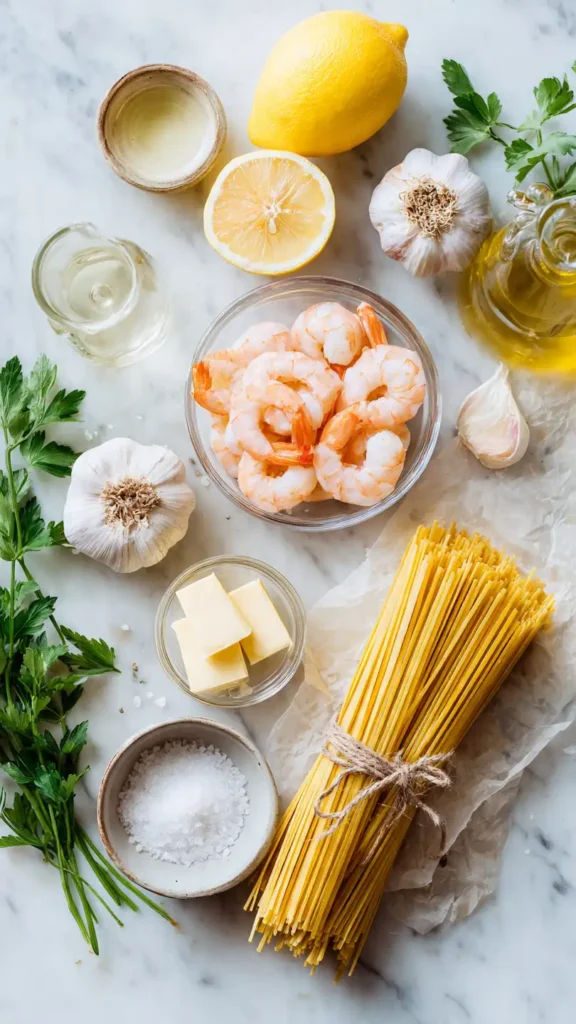
Let me break down what you’ll need for this recipe. I’m giving you the exact amounts that work for four people, but this scales up or down really easily if you’re cooking for more or fewer folks.
For the Pasta:
- 1 pound linguine or spaghetti
- 1 tablespoon salt for pasta water
For the Shrimp:
- 1.5 pounds large shrimp, peeled and deveined (I usually buy 16-20 count)
- Salt and black pepper to taste
- 1/2 teaspoon red pepper flakes (optional, but I always add them)
For the Garlic Butter Sauce:
- 6 tablespoons unsalted butter, divided
- 3 tablespoons olive oil
- 8 cloves garlic, minced (yes, really, don’t skimp)
- 1/2 cup dry white wine (or chicken broth if you prefer)
- Juice of 1 lemon
- 1/4 cup fresh parsley, chopped
- 1/2 cup pasta water, reserved
- Parmesan cheese for serving
Tools and Equipment You’ll Need
I’ll be honest with you, you don’t need a ton of fancy equipment for this recipe. Most of what you need is probably already in your kitchen. But there are a few things that make the process so much smoother.
First up, you’ll need a large pot for the pasta. I use my 8-quart stock pot because it gives the pasta plenty of room to move around, which helps prevent sticking. For the shrimp, I swear by my 12-inch cast iron skillet. The heat retention is incredible, and you get this beautiful sear on the shrimp that you just can’t achieve with a regular pan. That said, if you don’t have cast iron, a good non-stick pan works perfectly fine. I used a non-stick pan for years before I invested in cast iron.
Here’s a tool that changed my life: a good garlic press. I used to mince garlic by hand, and honestly, it was fine. But when I finally bought a quality garlic press (mine’s from OXO), I couldn’t believe how much time I was saving. Eight cloves of garlic take maybe 30 seconds now instead of five minutes of chopping. Plus, my hands don’t smell like garlic for three days afterward.
You’ll also want a set of pasta tongs or a pasta fork. Regular tongs work too, but the ones specifically designed for pasta make it so much easier to toss everything together at the end. And definitely have a ladle ready for scooping out that pasta water. Trust me, you need to save some before you drain the pasta. I’ve forgotten this step more times than I’d like to admit, and it really does make a difference in the sauce.
If you’re into meal planning and want to prep this ahead, I store the components in separate meal prep containers. The shrimp can be seasoned and kept in the fridge for up to 24 hours before cooking, and you can even portion out your pasta and store it for quick weeknight dinners.
Alternative Ingredients
Look, I get it. Sometimes you don’t have exactly what a recipe calls for, or maybe you have dietary restrictions, or you’re just trying to use up what’s in your fridge. This recipe is super forgiving, so let me give you some swaps that actually work.
Can’t find fresh shrimp? Frozen shrimp are totally fine. Just make sure you thaw them completely and pat them really dry with paper towels before cooking. I’ve used frozen shrimp probably a hundred times, and as long as they’re good quality, nobody can tell the difference.
For the pasta, you can use whatever long pasta you have. I’ve made this with regular spaghetti, angel hair (though it cooks faster, so watch your timing), fettuccine, and even bucatini. The sauce clings to all of them beautifully. If you want to make it gluten-free, I’ve tested it with brown rice pasta and it works great. Just follow the package directions because gluten-free pasta has different cooking times.
Don’t have white wine? No problem. I actually prefer using chicken broth half the time because it makes the sauce a bit richer. You can also use vegetable broth if you want to keep it lighter. I’ve even used just pasta water when I was completely out of both, and while it’s not quite as complex, it still tastes delicious.
Fresh parsley is my go-to, but dried parsley works in a pinch. Use about 2 tablespoons of dried instead of the fresh amount. Basil is also a fantastic substitute if that’s what you have growing in your garden. And if you’re not a fan of lemon, lime juice works surprisingly well and gives it a slightly different but equally delicious flavor.
Step-by-Step Directions
Alright, let’s get cooking. I’m going to walk you through this exactly how I do it, with all the little details that make the difference between good shrimp pasta and absolutely phenomenal shrimp pasta.
Step 1: Get Your Pasta Water Going
Fill your large pot with water and add about a tablespoon of salt. You want this water to taste like the sea. Bring it to a rolling boil over high heat. This is going to take about 10 minutes, so get it started first and then prep your other ingredients while you wait.
Step 2: Prep the Shrimp
While the water’s heating up, pat your shrimp completely dry with paper towels. This is crucial because wet shrimp won’t sear properly, they’ll just steam and get rubbery. Season them generously with salt, black pepper, and red pepper flakes if you’re using them. I like to spread them out on a plate so they’re ready to go when I need them.
Step 3: Cook the Pasta
Once your water’s boiling, add the pasta and cook it for about 2 minutes less than the package directions say. So if the box says 10 minutes, cook it for 8. We’re going for al dente here because the pasta’s going to finish cooking in the sauce. Before you drain it, scoop out at least 1 cup of pasta water and set it aside. This starchy water is liquid gold for your sauce.
Step 4: Sear the Shrimp
While the pasta’s cooking, heat your cast iron skillet or non-stick pan over medium-high heat. Add 2 tablespoons of butter and 2 tablespoons of olive oil. When the butter’s melted and just starting to foam, add your shrimp in a single layer. Don’t crowd them. I usually do this in two batches because crowding leads to steaming instead of searing.
Cook the shrimp for about 2 minutes on the first side without touching them. You want them to get a nice golden color. Flip them and cook for another 1-2 minutes on the other side until they’re just cooked through. They should be pink and opaque. Transfer them to a plate immediately. Seriously, get them out of the pan right away because they’ll keep cooking from residual heat.
Step 5: Make the Garlic Sauce
In the same pan (don’t wash it, all that flavor is gold), reduce the heat to medium and add the remaining butter and olive oil. Add your minced garlic and cook it for about 30 seconds, stirring constantly. You want it fragrant but not brown. Brown garlic is bitter garlic, and we don’t want that.
Pour in the white wine or broth and let it simmer for about 2 minutes to cook off the alcohol and reduce slightly. Add the lemon juice and about 1/2 cup of that reserved pasta water. Let this bubble for another minute.
Step 6: Bring It All Together
Add your drained pasta directly to the sauce and toss everything together using your pasta tongs. The pasta will absorb some of that garlicky goodness. If the sauce seems too thick, add a splash more pasta water until it reaches the consistency you want. I like mine to be silky and coat the pasta without being soupy.
Add the shrimp back to the pan along with the fresh parsley. Toss everything together gently for about 30 seconds just to heat the shrimp through and distribute the parsley. Taste it and adjust the seasoning if needed. Sometimes I add an extra pinch of salt or a squeeze more lemon.
Step 7: Serve Immediately
Transfer to your serving plates or bowls and top with freshly grated Parmesan cheese. I’m talking the good stuff here, not the pre-grated kind. Get yourself a block of real Parmigiano-Reggiano and grate it fresh. The difference is night and day.
Pro Tips From My Kitchen
After making this recipe literally hundreds of times, I’ve picked up some tricks that really elevate it from good to amazing.
The biggest mistake I see people make is overcooking the shrimp. Remember, they’ll continue cooking even after you take them out of the pan because of carryover heat. I pull mine when they’re about 80% done, and by the time they hit the plate, they’re perfect. If you cook them until they look completely done in the pan, they’ll be overcooked by the time you eat them.
Another thing: don’t skip the pasta water. I know I already mentioned this, but it’s so important I’m saying it again. That starchy water helps the sauce cling to the pasta and brings everything together. Regular water just doesn’t work the same way.
For the garlic, I’ve experimented with using a food processor to mince it super fine, and honestly, it makes the sauce smoother and more evenly flavored. But a garlic press or even hand-minced works great too. Just make sure your pieces are small and consistent so they cook evenly.
If you want to meal prep this for the week, here’s what I do: I cook the pasta and store it separately from the shrimp and sauce. When I’m ready to eat, I reheat the sauce and shrimp together in my cast iron skillet, add the pasta, and toss everything for a minute or two. It tastes almost as good as fresh. Store everything in good quality meal prep containers, and it’ll keep for 3-4 days in the fridge.
One last tip: if you’re cooking for someone who doesn’t eat seafood, this same technique works beautifully with chicken. Cut boneless chicken breasts into strips, season them the same way, and cook them in your cast iron skillet until they’re golden and cooked through. The timing’s almost identical.
FAQs
Can I make this recipe ahead of time?
You can prep the components in advance (season the shrimp and mince the garlic the night before), but don’t cook the whole dish ahead because shrimp gets rubbery when reheated. If you need to prep ahead, cook everything except the shrimp, then add the shrimp fresh when reheating the sauce.
What if I don’t have fresh garlic?
Fresh garlic is best for this recipe since it’s the star ingredient. In a pinch, use jarred minced garlic – about 2-3 tablespoons since jarred garlic is less potent than fresh. Garlic powder is not recommended for this particular recipe.
Can I use a different type of pasta?
Absolutely. Any long pasta works great including spaghetti, angel hair, fettuccine, or bucatini. Short pasta like penne or rigatoni can work too, though the sauce clings better to long strands. For gluten-free, brown rice pasta works well.
How do I know when the shrimp are done?
Shrimp cook in 3-4 minutes total. They’re done when they turn pink and opaque all the way through and curl into a loose C shape. If they curl into a tight O shape, they’re overcooked. Pull them when slightly translucent in the center as they’ll finish cooking from residual heat.
Is this recipe spicy?
Not really. The red pepper flakes add a gentle warmth rather than outright heat. If you want it spicier, double the red pepper flakes or add fresh chili. If you don’t like any heat, just leave them out entirely.
Recipe Information
| Category | Details |
|---|---|
| Prep Time | 10 minutes |
| Cook Time | 15 minutes |
| Total Time | 25 minutes |
| Servings | 4 people |
| Yield | 4 generous portions |
Why You’ll Love This Recipe
This garlic shrimp pasta has everything going for it, and I’m not just saying that because it’s one of my most popular recipes on the blog. It’s genuinely one of those rare dishes that checks every single box.
First off, it’s fast. Like, actually fast. Not “fast” in that recipe blog way where they say 30 minutes but really mean an hour. From the moment you start heating your pasta water to the moment you’re sitting down with a steaming bowl in front of you, you’re looking at maybe 25 minutes tops. I’ve made this on weeknights after coming home from work, and I’ve made it for dinner parties when I wanted to impress people without spending all day in the kitchen.
The flavors are bold but balanced. That garlic really shines through without being overwhelming, and the butter and olive oil create this sauce that’s rich but not heavy. The lemon brightens everything up and keeps it from feeling too indulgent, even though, let’s be real, there’s a decent amount of butter in here.
It’s also incredibly versatile. Sometimes I’ll add sun-dried tomatoes or capers if I’m feeling fancy. Other times I’ll throw in whatever vegetables I have in the fridge – cherry tomatoes, spinach, and asparagus all work beautifully. The base recipe is solid enough that you can play around with it and it’ll still turn out great.
And here’s the thing that really sold me on this recipe years ago: it uses mostly pantry staples that I already have on hand. The only things I usually need to buy fresh are the shrimp and parsley, and honestly, if I don’t have parsley, it still tastes amazing without it. This makes it perfect for those nights when you don’t want to make a special trip to the grocery store but still want something delicious for dinner.
What Makes This Recipe Unique
I’ve tried probably 20 different garlic shrimp pasta recipes over the years, and I can tell you exactly what makes this one different. It’s all about the technique and the little details that most recipes skip over.
The key is searing the shrimp separately and then adding them back at the end. Most recipes tell you to cook everything together, but that’s how you end up with rubbery, overcooked shrimp. By giving the shrimp their own moment to shine in the pan and then removing them, you guarantee they stay tender and perfectly cooked. This is something I learned from a French cooking technique called “à la minute,” where you cook proteins separately and add them to the sauce at the last second.
Another thing that sets this apart is the use of both butter and olive oil. Butter alone can burn at high heat, but combining it with olive oil raises the smoke point while still giving you all that rich, buttery flavor. This is a classic Italian technique that I wish more home cooks knew about.
The pasta water trick is something I picked up from an Italian grandmother during a cooking class I took in Rome back in 2019. She was absolutely adamant about saving that pasta water, and when she explained that the starch helps emulsify the sauce and makes everything silky and cohesive, it clicked. I’ve never made pasta without reserving some of that water since then.
Key Features
Let me break down what makes this recipe work so well, because understanding the “why” behind each step makes you a better cook overall.
The garlic to pasta ratio is carefully calibrated here. Eight cloves might seem like a lot, but when you’re serving four people, it works out to about 2 cloves per person, which gives you that bold garlic flavor without being overpowering. I’ve tested this with as few as 4 cloves and as many as 12, and 8 is the sweet spot where everyone says “wow, the garlic is perfect” instead of “wow, that’s a lot of garlic.”
The timing is designed so everything comes together right at the end. Your pasta water is boiling while you prep the shrimp, the shrimp cook while the pasta boils, and the sauce comes together in those last few minutes. It’s almost like a choreographed dance, and once you’ve done it a couple times, you’ll find yourself moving through the steps naturally without even thinking about it.
The ingredient list is intentionally simple but high-impact. Every single ingredient serves a purpose. The butter provides richness, the olive oil prevents burning, the garlic is the star flavor, the white wine adds depth and acidity, the lemon brightens everything, and the parsley adds freshness and color. Nothing’s in there just for show.
This recipe is also easily scalable. Want to make it for two people? Cut everything in half. Feeding eight? Double it, though you might need to work in batches for the shrimp. The ratios stay consistent no matter how much you’re making.
Nutrition Facts
Here’s the nutritional breakdown per serving. Keep in mind these are estimates and will vary slightly based on the exact products you use and how much Parmesan cheese you add at the end.
| Nutrient | Per Serving |
|---|---|
| Calories | 580 |
| Total Fat | 24g |
| Saturated Fat | 11g |
| Cholesterol | 285mg |
| Sodium | 890mg |
| Total Carbs | 52g |
| Dietary Fiber | 2g |
| Sugars | 2g |
| Protein | 38g |
This is definitely more of an indulgent meal than a light dinner, but it’s packed with protein from the shrimp, and you can easily lighten it up by using less butter or substituting some of the butter with additional olive oil. I’ve done a lighter version with half the butter and added extra lemon juice, and it’s still delicious, just a bit less rich.
You’ll Also Love
If you’re into quick pasta dishes like this one, you should definitely check out my other recipes that follow a similar formula of simple ingredients and big flavors.
My Lemon Butter Chicken Pasta is basically this recipe’s cousin. Same technique with the butter sauce and pasta water, but with chicken instead of shrimp. It’s got fresh basil instead of parsley, and I add cherry tomatoes that burst in the pan.
For something a bit heartier, try my Creamy Tuscan Shrimp. It uses the same basic shrimp preparation method, but the sauce is cream-based with sun-dried tomatoes and spinach. It’s rich and comforting, perfect for cold winter nights.
If you want to stick with shrimp but change up the flavor profile completely, my Cajun Shrimp and Sausage Pasta brings serious heat. It’s got andouille sausage, bell peppers, and a spicy cream sauce that’ll warm you right up.
And for nights when you want pasta but don’t have any protein in the house, my 15-Minute Garlic Butter Pasta is a total lifesaver. It’s basically this sauce without the shrimp, loaded up with extra Parmesan and fresh herbs. Sounds too simple to be good, but trust me, it’s become a staple in my house.
Conclusion
I hope you give this garlic shrimp pasta a try, because I genuinely think it’s going to become one of those recipes you come back to again and again. It’s got everything you want in a weeknight dinner: it’s quick, it’s delicious, it looks impressive, and it doesn’t require any fancy techniques or hard-to-find ingredients.
The first time I made this for guests, three different people asked for the recipe before they even finished eating. That’s when I knew I had something special. And the best part? You can master this in one try. The techniques aren’t complicated; they just require a bit of attention and good timing.
So grab your cast iron skillet, get yourself some good shrimp, and make this tonight. Your kitchen’s going to smell absolutely incredible, and you’ll be sitting down to a restaurant-quality meal in less than half an hour. And hey, if you make it, I’d love to hear how it turns out. Did you add any personal touches? Did you use the meal prep containers to save some for later? Let me know in the comments, because I’m always learning new tricks from you guys too.
Happy cooking, and don’t forget to save that pasta water!